In a massive logistical mobilization aimed at mitigating the catastrophic potential of the El Niño phenomenon, the Peruvian Ministry of Defense, through the Peruvian Army, has initiated the strategic deployment of multiple engineering battalions and heavy machinery toward the northern region of Piura. This operation is part of a national directive to reinforce critical infrastructure, descolmatate riverbeds, and rehabilitate essential road networks before the onset of the forecasted intense rains.
As meteorologists continue to monitor climatic shifts, the government has shifted from reactive measures to a proactive, preemptive stance, aiming to protect the lives and livelihoods of thousands of residents in the country’s most vulnerable northern sectors.
The Core Strategy: Engineering for Resilience
The primary objective of this deployment is to ensure that the hydraulic infrastructure—which proved insufficient during previous climatic disasters—is capable of handling increased water flow. The military’s intervention is focused on two main fronts: the management of water channels to prevent overflow and the fortification of logistical corridors to ensure that aid can reach isolated populations during potential emergencies.
Strategic Troop Movements
The scale of this operation is significant. The Peruvian Army has mobilized specialized units from various parts of the country to consolidate a formidable force in Piura.
- From Amazonas: The Engineering Battalion of Jungle Combat No. 116 has been mobilized from the Mesones Muro garrison, while the Engineering Construction Battalion No. 1 has departed from the Jazán garrison.
- From Lambayeque: The Engineering Combat Battalion No. 7 has been dispatched to reinforce the northern defense line.
- Local Consolidation: The Engineering Combat Battalion No. 51 has begun its movement from Sullana specifically toward the district of Catacaos, an area historically prone to flooding and severe isolation.
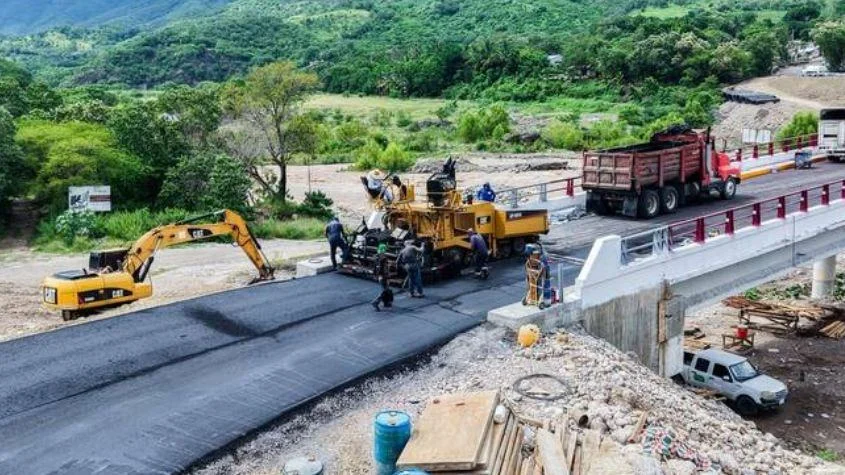
These battalions bring not only manpower but also a specialized fleet of heavy machinery, including bulldozers, excavators, and dump trucks, essential for moving the massive amounts of sediment required to clear riverbeds and widen drainage paths.

Chronology of the Preemptive Campaign
The current deployment is the culmination of weeks of strategic planning. The timeline of this intervention reflects the government’s urgency to beat the arrival of the rains:
- Initial Assessment (Late July): The Ministry of Defense, led by Minister Rafael Belaunde Llosa, identified the high-risk corridors in the northern region, specifically highlighting Piura and Lambayeque as priority zones.
- Announcement of Support (Early August): Minister Belaunde Llosa confirmed the activation of the "Command for Support to National Development" (COADEN), outlining the deployment of 22 engineering battalions and over 200 pieces of heavy equipment.
- Mobilization Phase (Current): As of the second week of August, the coordinated movement of troops from Amazonas and Lambayeque commenced.
- Field Deployment: Engineering units arrived in designated sectors of Piura and the highlands of Lima, immediately transitioning from transit to active labor.
National Scope: Addressing the Sierra of Lima
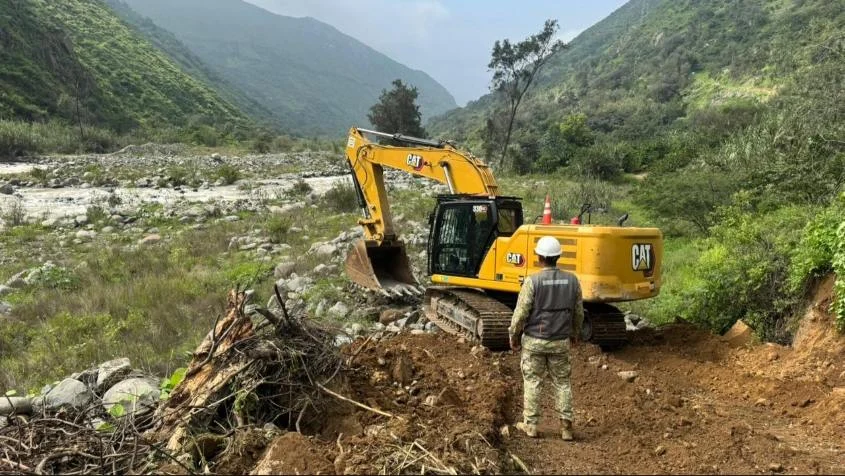
While the focus remains on the North, the Army has not neglected the central highlands. In the province of Canta, the Engineering Battalion No. 21 is currently engaged in the arduous task of rehabilitating the Anayca-Collo road. The focus here is on the clearance of debris and mass-movement material, such as boulders and mud, which historically block transit during the rainy season, cutting off mountain villages from essential services.
Furthermore, in the Santa Eulalia basin, the use of heavy retroexcavators has become a daily sight. The military is working to descolmatate the riverbeds—a process of removing accumulated silt and gravel—which allows the river to flow at higher volumes without breaching its banks into residential or agricultural zones.
Official Responses and Strategic Data
Minister of Defense Rafael Belaunde Llosa has emphasized that this is not merely a short-term cleanup effort but a structural commitment to national safety.
"Our mission is to ensure that no district is left isolated by a failure in infrastructure," the Minister noted in his recent briefing. "By deploying our most capable engineering units now, we are saving millions of soles in potential reconstruction costs and, more importantly, we are preventing the loss of life."

Supporting Data on Military Capacity
The scale of the Army’s commitment is underscored by the following figures:
- Engineering Battalions Active: 22 specialized units currently deployed or on standby across the country.
- Mechanical Fleet: 219 heavy machinery units, including state-of-the-art bulldozers and high-capacity transport trucks.
- Scope of Intervention: Operations currently span from the northern coastal plains of Piura to the rugged terrain of the Lima highlands, covering over 1,500 kilometers of potential conflict zones regarding flood control.
Implications of the Operation
The mobilization of these battalions carries significant socio-economic implications for Peru.
Economic Stability
Piura is a vital agricultural hub for the country. By clearing the riverbanks and strengthening the irrigation channels, the military is directly protecting thousands of hectares of export-grade crops. If the canals become clogged or the rivers overflow, the economic impact on the region’s agricultural export sector would be devastating.
Logistics and Supply Chains
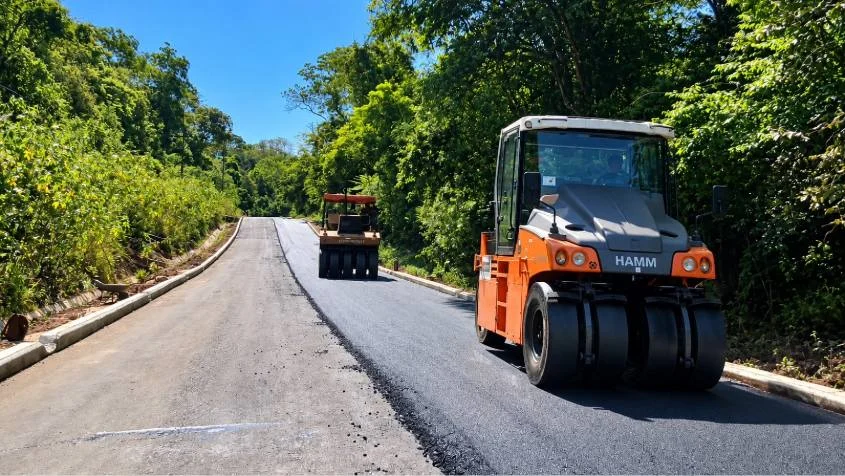
The rehabilitation of roads, particularly the Anayca-Collo corridor and rural access roads in Catacaos, ensures that food, medicine, and fuel can reach remote populations even if the region faces extreme weather. By maintaining these "lifelines," the government aims to prevent the inflationary spikes and shortages that typically occur when supply chains are severed by landslides or washed-out bridges.
Civil-Military Cooperation
The presence of the Army in these regions also serves to boost public confidence. The "Command for Support to National Development" model bridges the gap between military readiness and social welfare. By utilizing military assets for public works, the state demonstrates an efficient use of existing resources, rather than relying solely on private contractors who may be unable to mobilize during a declared state of emergency.

Challenges and Future Outlook
Despite the intensity of these efforts, the government faces significant challenges. The geography of the Piura region—characterized by flat plains that easily turn into vast lakes during heavy rain—means that engineering solutions must be meticulously designed.
The primary risk remains the unpredictable nature of the climate. While the military can clear existing debris and fortify current embankments, the severity of a potential El Niño event could exceed the historical data used to design these interventions. Therefore, the Ministry of Defense has indicated that this is an "active deployment," meaning that units will remain in the field and adapt their strategies based on real-time satellite monitoring and meteorological updates.
As the nation prepares, the image of soldiers working alongside heavy machinery in the heat of the Piura desert serves as a potent reminder of the fragility of the region’s infrastructure. With the mobilization of these 22 battalions, the Peruvian government is clearly sending a message that it intends to meet the challenges of the coming season with both engineering precision and military discipline.
The coming months will be a test of these efforts, but for the residents of the northern coast and the central highlands, the presence of the Engineering Corps represents the best line of defense against the impending climatic uncertainty.