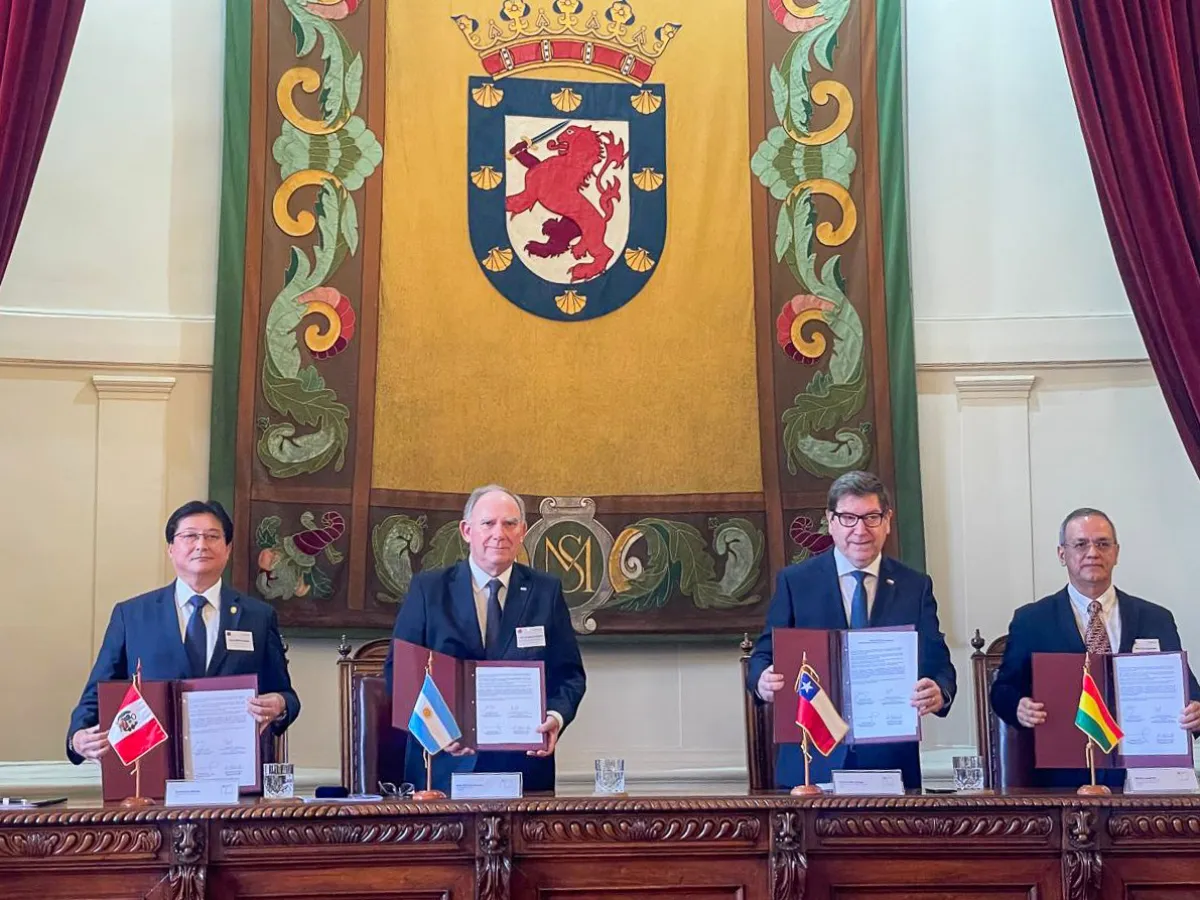
Santiago, Chile – August 29, 2026 – In a landmark move signaling a deepening commitment to regional collaboration and sustainable resource management, the Ministers of Mining from Peru, Chile, Argentina, and Bolivia convened in Santiago today to sign the Joint Declaration on Strategic Minerals for Regional Integration. This pivotal agreement, inked during the inaugural Ministerial Meeting on Strategic Minerals and Regional Integration, marks a significant step towards leveraging the vast mineral wealth of South America for shared prosperity and global influence.
The high-level summit, held in the prestigious Honor Hall of the Municipality of Santiago, brought together the leading figures of the mining sectors from the four nations. Occurring at the culmination of Mining Month, the event provided an exceptional political juncture, uniting governments with aligned visions that facilitate dialogue and cooperation on the sustainable development of the mining industry. The Joint Declaration underscores a shared understanding of the critical role strategic minerals play in the global economy and the imperative for regional coordination to ensure their responsible extraction, processing, and utilization.
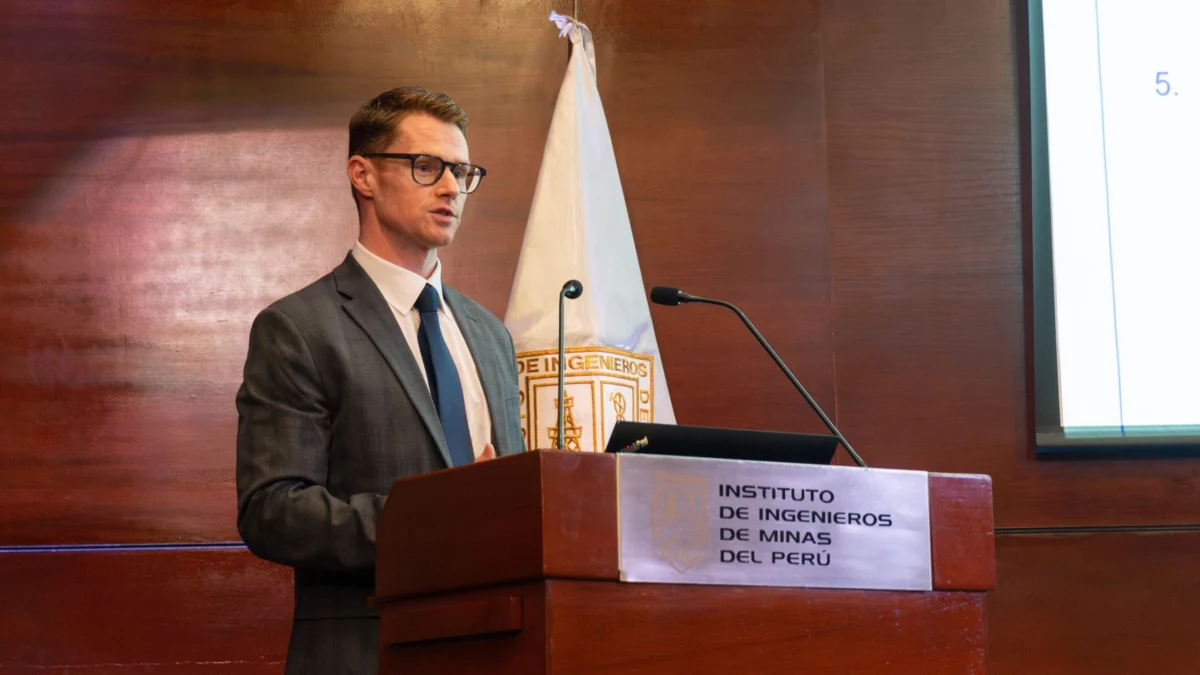
Peru’s Minister of Energy and Mines, Guillermo Shinno, was a key signatory, emphasizing the strategic importance of this pact for his nation. "The signing of this Declaration allows us to position ourselves as a reliable partner and strengthen our capacity for dialogue with consumer countries, always defending our sovereignty over natural resources," stated Minister Shinno. He highlighted Peru’s substantial reserves of copper, zinc, silver, and other strategic minerals, positioning the country as a significant player in global geopolitics.
The meeting was supported by the Embassy of Peru in Chile, led by Ambassador John Peter Camino Cannock, whose diplomatic efforts facilitated the successful convening of this critical forum.
Main Facts: A New Era of Resource Diplomacy
The core of today’s announcement is the signing of the Joint Declaration on Strategic Minerals for Regional Integration. This agreement signifies a collective intent by Peru, Chile, Argentina, and Bolivia to:
- Enhance Cooperation: Establish robust frameworks for collaboration in the exploration, extraction, processing, and commercialization of strategic minerals.
- Promote Sustainable Development: Commit to environmentally responsible mining practices, social inclusion, and equitable benefit-sharing with local communities.
- Strengthen Regional Value Chains: Foster the development of integrated regional supply chains for strategic minerals, reducing reliance on external actors and creating greater economic opportunities within South America.
- Advance Research and Development: Jointly invest in technological innovation, geological research, and human capital development to enhance the efficiency and sustainability of the mining sector.
- Advocate for Common Interests: Present a united front in international forums to defend national sovereignty over natural resources and advocate for fair trade practices in the global mineral market.
The declaration comes at a time of unprecedented global demand for strategic minerals, driven by the accelerating transition towards renewable energy, electric vehicles, and advanced digital technologies. These minerals, often referred to as "critical minerals" or "energy transition minerals," are the building blocks of the modern, decarbonized economy. South America, endowed with some of the world’s richest deposits of these essential resources, is strategically positioned to play a leading role in this global transformation.

Chronology of a Collaborative Vision
The path to this significant declaration has been paved by a series of diplomatic engagements and a growing recognition of shared interests among the participating nations. While today marks the formal signing, the momentum has been building over recent years:
- Pre-2026: Informal discussions and bilateral meetings between mining ministers and officials from Peru, Chile, Argentina, and Bolivia have consistently identified common challenges and opportunities within the mining sector. These discussions often revolved around the need for greater regional coordination in the face of fluctuating global commodity prices, increasing environmental regulations, and the geopolitical implications of mineral supply chains.
- Early 2026: The concept of a formal declaration on strategic minerals began to take shape. Representatives from the four nations engaged in working sessions to define the scope and objectives of such an agreement, focusing on areas of mutual benefit and shared responsibility. The growing urgency of the global energy transition provided a compelling backdrop for these discussions, highlighting the strategic importance of minerals like lithium, copper, cobalt, and rare earth elements.
- Mid-2026: Diplomatic efforts intensified, with the Peruvian Embassy in Chile playing a crucial role in facilitating communication and logistical arrangements. Ambassador John Peter Camino Cannock and his team worked diligently to ensure that all parties were aligned on the key provisions of the proposed declaration.
- August 2026 (Mining Month): The inaugural Ministerial Meeting on Strategic Minerals and Regional Integration was organized. This event provided the platform for the formal presentation and signing of the Joint Declaration. The timing, coinciding with the closing of Mining Month, underscored the significance of the mining sector to the economies of these South American nations.
- August 29, 2026: The historic signing ceremony took place in Santiago, Chile, marking a new chapter in regional cooperation for strategic minerals. Minister Shinno’s participation, alongside his counterparts from Chile, Argentina, and Bolivia, solidified Peru’s commitment to this vital initiative.
Supporting Data: South America’s Mineral Powerhouse
The strategic significance of this declaration is underscored by the immense mineral wealth held by these four South American nations. Their combined reserves and production capabilities make them indispensable players in the global supply of critical minerals:
- Copper: Chile and Peru are among the world’s largest copper producers, with significant reserves. Copper is essential for electrical wiring, renewable energy infrastructure (wind turbines and solar panels), and electric vehicles.
- Lithium: Argentina, Bolivia, and Chile form the "Lithium Triangle," holding a substantial portion of the world’s known lithium reserves. Lithium is a cornerstone of battery technology for electric vehicles and energy storage systems.
- Silver: Peru and Bolivia are major silver producers, with silver playing a crucial role in electronics, solar panels, and various industrial applications.
- Zinc: Peru is a leading global producer of zinc, a vital component in galvanizing steel, batteries, and alloys.
- Other Strategic Minerals: The region also possesses significant deposits of other minerals critical for the energy transition, including iron ore, tin, molybdenum, and potentially rare earth elements, though exploration and exploitation in these areas are still developing.
The economic implications are profound. A coordinated approach can lead to:
- Increased Investment: A stable and collaborative regional framework can attract greater foreign and domestic investment in exploration, extraction, and downstream processing.
- Enhanced Value Capture: By developing regional processing capabilities, South American nations can move up the value chain, capturing a larger share of the revenue generated from their mineral resources, rather than simply exporting raw materials.
- Job Creation: Investments in advanced mining technologies and processing facilities will lead to the creation of skilled jobs and economic opportunities for local populations.
- Technological Advancement: Collaborative R&D efforts can foster innovation, leading to more efficient, environmentally friendly, and cost-effective mining operations.
Official Responses: Voices of Commitment and Vision
The signing of the Joint Declaration was met with strong endorsements from the participating ministers and their governments, highlighting the shared commitment and forward-looking vision driving this initiative.
Minister Guillermo Shinno of Peru articulated a clear strategic rationale for his country’s participation: "The subscription of this Declaration allows us to position ourselves as a reliable partner and strengthen our capacity for dialogue with consumer countries, always defending our sovereignty over natural resources." He further elaborated on Peru’s vision for critical minerals, reaffirming the nation’s dedication to sustainable mining development and responsible investment. Peru also shared its expertise in geology, public policy, and specialized human capital training, offering valuable contributions to the regional effort.
The minister’s presentation during the event, particularly in the session titled "Capacities Connecting the Region: Institutions, Suppliers, and Talent," demonstrated Peru’s proactive role in shaping the future of regional mining. The formation of working groups in the areas of suppliers, human capital, and institutional frameworks is a testament to the practical implementation of the declaration’s objectives.
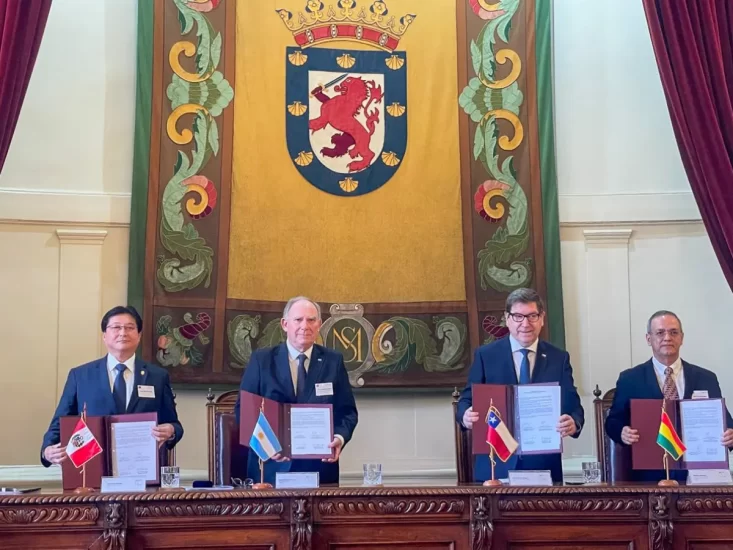
While specific quotes from the other ministers were not provided in the initial source material, the collective action of signing the declaration speaks volumes about their shared commitment. The presence of high-level representatives from Chile, Argentina, and Bolivia signifies a unified approach to a critical economic and geopolitical issue. The fact that the meeting was convened in Santiago, Chile, suggests a leadership role and facilitation by the host nation in bringing these diverse yet aligned perspectives together.
Implications: Shaping the Global Mineral Landscape
The Joint Declaration on Strategic Minerals for Regional Integration carries significant implications, both for the participating nations and for the global landscape of mineral supply and demand.
For South America:
- Enhanced Bargaining Power: A united South America can negotiate from a position of greater strength in international markets and with global consumers, ensuring fairer prices and more favorable terms for their mineral exports.
- Reduced Geopolitical Vulnerability: By fostering regional supply chains and reducing reliance on single external partners, the nations can mitigate risks associated with geopolitical tensions and trade disputes.
- Sustainable Economic Growth: The focus on sustainable practices and value addition promises to deliver more equitable and enduring economic benefits, moving beyond the traditional model of raw material export.
- Knowledge and Technology Transfer: Collaborative R&D and human capital development will accelerate the adoption of best practices and cutting-edge technologies, improving the efficiency and environmental performance of the mining sector across the region.
For the Global Economy:
- Stabilized Supply Chains: A more coordinated and reliable supply of critical minerals from South America can contribute to greater stability in global markets, which are currently subject to volatility and disruption.
- Accelerated Energy Transition: By ensuring a consistent and responsible supply of minerals essential for renewable energy technologies, this pact can play a crucial role in accelerating the global transition to a low-carbon economy.
- Increased Competition and Innovation: A stronger South American bloc can foster healthy competition and drive innovation in the mining and processing industries worldwide.
- Ethical Sourcing: The emphasis on sustainable and responsible mining practices can set a new global benchmark for ethical sourcing of critical minerals, addressing concerns about environmental degradation and social inequality.
The participation of Peru in this strategic initiative underscores its ambition to be a proactive architect of regional development and a responsible custodian of its natural resources. Minister Shinno’s remarks about defending sovereignty while acting as a reliable partner encapsulate the delicate but crucial balance that South American nations must strike in the complex global arena of strategic minerals. The success of this declaration will hinge on sustained political will, effective implementation of the agreed-upon frameworks, and the continued cultivation of trust and collaboration among these vital South American economies. This pact represents not just an agreement on minerals, but a profound statement about the future of regional integration and South America’s role on the world stage.