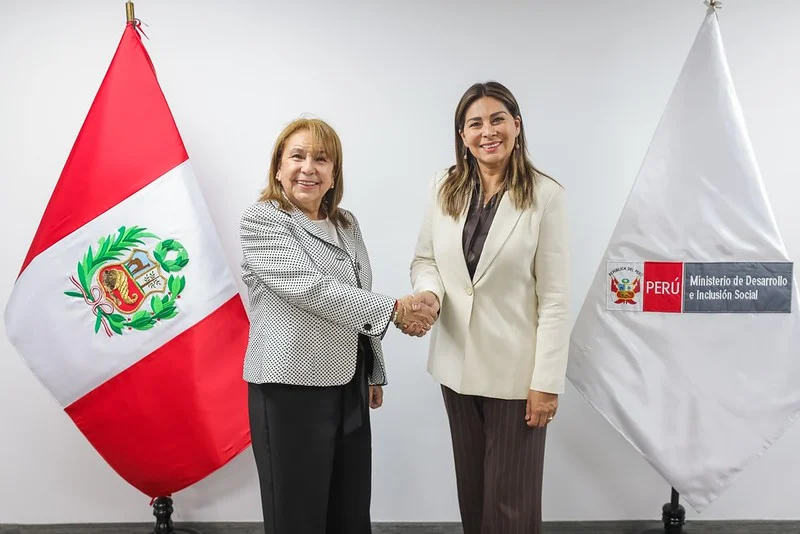
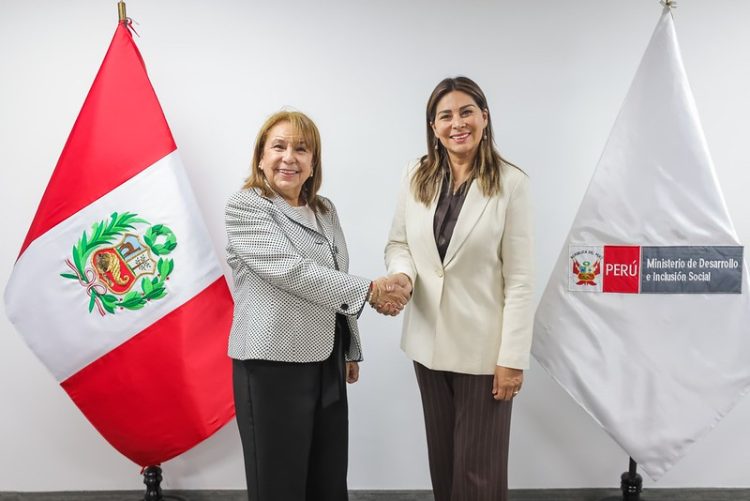
In a strategic move to break the intergenerational cycle of poverty, the Peruvian Ministry of Development and Social Inclusion (MIDIS) has solidified a pivotal partnership with Women in Mining (WIM) Peru. This collaboration, spearheaded by Minister Maritza Canales, aims to dismantle systemic barriers by incentivizing young women from vulnerable households to pursue careers in Science, Technology, Engineering, and Mathematics (STEM). By leveraging WIM Peru’s vast network of professional mentors, the government hopes to transform the trajectory of thousands of young women, turning social assistance recipients into future leaders of the nation’s industrial and technological sectors.
The Genesis of the Initiative: A Strategic Alliance
The collaboration between MIDIS and WIM Peru represents more than a standard institutional agreement; it is a shift in social policy. Historically, social programs in Peru have focused on immediate survival and basic subsistence. Under the leadership of Minister Maritza Canales, the ministry is pivoting toward long-term human capital development.
The initiative finds its roots in a pilot project conducted under an existing framework agreement, where WIM Peru provided targeted mentorship to women enrolled in the "Juntos" program. "Juntos," a conditional cash transfer program, has traditionally focused on health and education for children. However, this new iteration introduces a vocational and aspirational dimension, encouraging young beneficiaries to look beyond local labor markets and envision themselves as engineers, researchers, and tech innovators.
Chronology of the Partnership
- Initial Framework Agreement: MIDIS and WIM Peru signed a foundational memorandum of understanding (MoU) to integrate professional mentorship into social programs.
- The Pilot Phase: WIM Peru launched specialized mentorship sessions for women in the "Juntos" program, focusing on self-esteem, professional orientation, and the importance of financial independence.
- Strategic Evaluation: Following the success of the initial workshops, both organizations conducted an impact assessment, noting a significant increase in the participants’ interest in higher education.
- The Expansion Announcement: Minister Maritza Canales officially announced the scaling of the program, shifting the focus specifically toward STEM education to meet the demands of the modern, digitized economy.
- The Scaling Strategy: Currently, the partnership is moving toward a formalized, nationwide expansion, utilizing WIM Peru’s 15-regional network to ensure that rural and urban youth have equal access to mentorship.
STEM: The Engine of Social Mobility
The focus on STEM is not arbitrary. In the context of the Peruvian economy, the mining and technology sectors remain the largest drivers of growth. However, the gender gap in these fields remains stark. By directing young women toward these disciplines, MIDIS and WIM Peru are addressing two problems simultaneously: the gender pay gap and the lack of skilled technical labor in the country.
STEM education provides a "pathway to middle-class status" that is more resilient to economic volatility. When young women from vulnerable households enter these fields, they do not just improve their individual economic status; they provide a foundation for their entire family unit to exit the poverty trap permanently.
Official Perspectives: Aligning Vision with Action
During the announcement, Minister Maritza Canales emphasized the synergistic nature of the partnership. "It is deeply enriching to combine the resources of MIDIS with the technical expertise and professional networks of WIM Peru," she stated. "Our objective is to identify raw talent that has been overlooked due to socioeconomic circumstances and provide the professional scaffolding necessary for these young women to thrive in the modern economy."

Nahil Hirsh, the President of WIM Peru, echoed this sentiment, highlighting the organization’s unique capacity to mobilize human resources. "WIM Peru is not just an advocacy group; we are a community of over 4,000 volunteers distributed across 15 regions of the country," Hirsh explained. "Our members are professionals who understand the challenges of the workplace. By connecting our volunteers with young women in MIDIS programs, we are creating a bridge between the classroom and the corporate boardroom."
The Role of WIM Peru: A Massive Volunteer Network
WIM Peru has established itself as one of the most influential NGOs in the country. Their influence extends beyond mining operations into the very fabric of national education policy. With a footprint in 15 regions, their volunteer base acts as a localized catalyst for change.
The organization’s methodology involves "Mentorship Circles." In these groups, a seasoned engineer or project manager from a mining or tech company is paired with a group of young women from vulnerable backgrounds. These mentors provide guidance on:
- Navigating Higher Education: How to apply for scholarships, choose the right university, and manage the rigors of a STEM curriculum.
- Soft Skills Development: Leadership, public speaking, and negotiation skills—often the missing pieces in the professional development of marginalized youth.
- Networking: Introducing mentees to professional circles that would otherwise be inaccessible to them.
Socioeconomic Implications: Why This Matters
The implications of this program are far-reaching. By targeting the intersection of social welfare and STEM, the Peruvian government is acknowledging that social mobility in the 21st century requires technical literacy.
Impact on Poverty Reduction
Traditional social programs are often criticized for creating dependency. By focusing on STEM, this initiative promotes autonomy. A graduate in engineering or data science is highly unlikely to return to the conditions of extreme poverty. The "Juntos" program, through this partnership, evolves from a subsistence mechanism into a springboard for high-skilled careers.
Closing the Gender Gap
Peru, like much of Latin America, faces a significant gender disparity in leadership roles within the industrial sector. By fostering interest in STEM from a young age, the program ensures a pipeline of female talent. This creates a "snowball effect": as more women enter these sectors, they serve as role models for the next generation, gradually normalizing the presence of women in historically male-dominated fields.
Challenges and Future Outlook
Despite the optimism surrounding the partnership, the road ahead is not without challenges. The digital divide remains a significant obstacle in rural Peru. Access to high-speed internet and high-quality laboratory equipment in public schools is inconsistent.
MIDIS and WIM Peru have acknowledged these hurdles. The next phase of their cooperation involves exploring "Digital Inclusion" initiatives, where they will lobby for better technological infrastructure in the communities where their mentees reside. Furthermore, there is a push to work with private sector companies to offer internships specifically for these young women, ensuring that their education leads to concrete employment opportunities.
Conclusion: A Model for Regional Development
The partnership between the Ministry of Development and Social Inclusion and Women in Mining Peru serves as a blueprint for how the public and private sectors can collaborate to solve complex social issues. By combining the reach of the state with the expertise of the private sector, the government is creating a sustainable pathway out of poverty.
As the program scales, the focus will remain on the long-term goal: creating a generation of Peruvian women who are not just beneficiaries of social programs, but leaders of the nation’s technological and industrial future. If successful, this initiative could be replicated across other sectors, fundamentally changing the approach to social policy in Latin America—moving from simple welfare to professional empowerment.
The commitment shown by both Minister Maritza Canales and the leadership at WIM Peru signals a new era for Peru. It is an era defined by the belief that with the right support, the right mentorship, and the right opportunities, there is no limit to what the country’s youth can achieve. The journey from poverty to the cutting edge of science is long, but with this collaboration, the first, most critical steps have been taken.