Overview: A Critical Legislative Bid
In a significant move aimed at addressing the multifaceted challenges currently gripping the nation, President Keiko Fujimori has formally requested that the Congress of the Republic grant the Executive branch extraordinary legislative powers. This request, which encompasses more than 60 distinct measures, is positioned by the administration as a vital instrument to restore public order, bolster national resilience against the impending "El Niño" phenomenon, eliminate deep-seated bureaucratic hurdles, and, most importantly, overhaul the country’s struggling security apparatus.
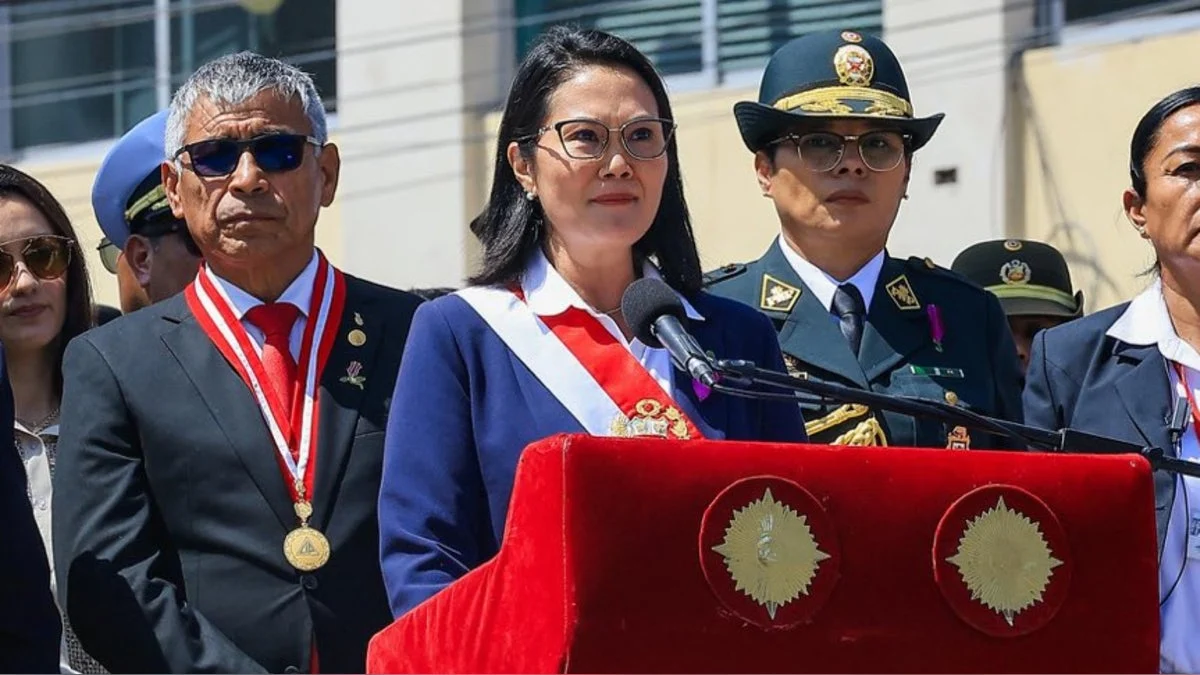
The announcement, made during a public appearance in Tacna, serves as a rallying cry for legislative cooperation. President Fujimori emphasized that the urgency of these measures is dictated by the immediate needs of the citizenry, urging lawmakers to balance rigorous debate with the necessity for rapid action.
Chronology of the Proposal
The road to this legislative request has been characterized by intense cabinet deliberations and growing public pressure for reform.
- Initial Cabinet Review: The proposal was finalized after weeks of internal discussions within the Council of Ministers, where various portfolios identified bottlenecks that prevent the efficient execution of public policy.
- The Formal Request: Following the approval of the legislative package by the Council of Ministers, the administration formally transmitted the request to the legislative body, triggering the constitutional process for reviewing delegated powers.
- Public Advocacy: President Fujimori began a series of regional engagements, using her platform in Tacna to publicly appeal to Congress for a swift and objective review of the package.
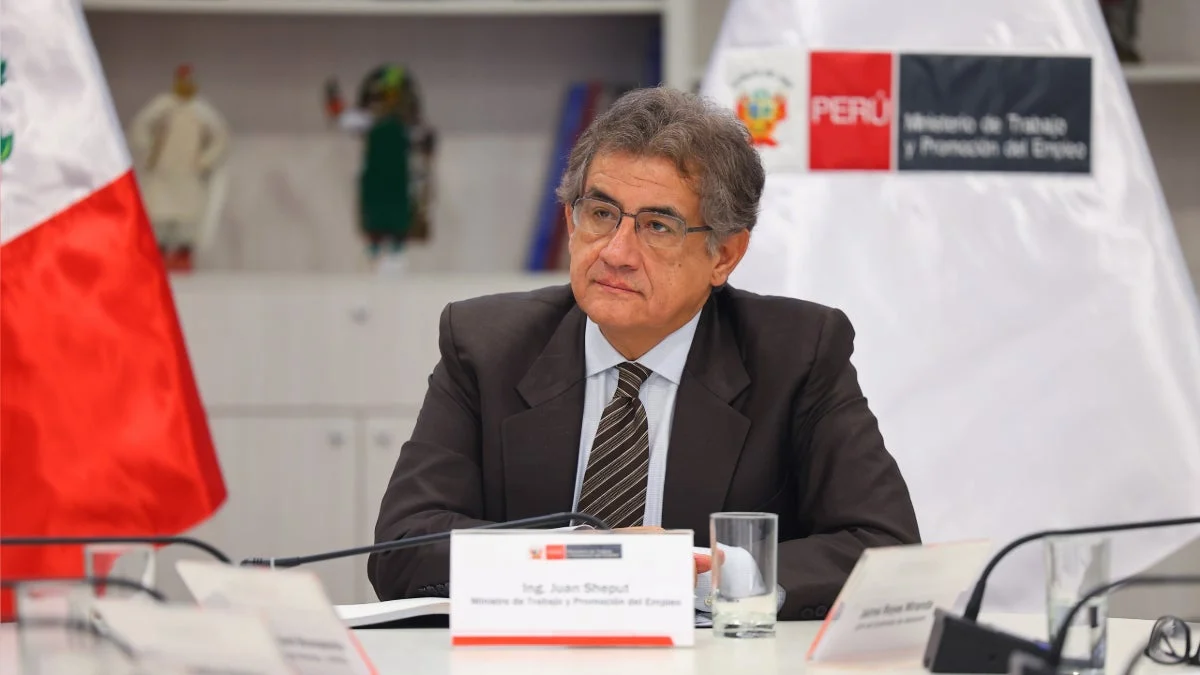
- Ministerial Endorsement: Key cabinet members, including the Minister of Justice and Human Rights, Ernesto Álvarez, have spent the subsequent days detailing the specific technical aspects of the request to media outlets and parliamentary committees.
Core Pillars of the Legislative Package
The proposal submitted to Congress is not a monolithic bill but rather a strategic roadmap divided into several critical sectors. The administration has explicitly stated that the plan does not involve the fusion or elimination of existing ministries, focusing instead on operational efficiency and policy implementation.
1. Strengthening Security and Justice
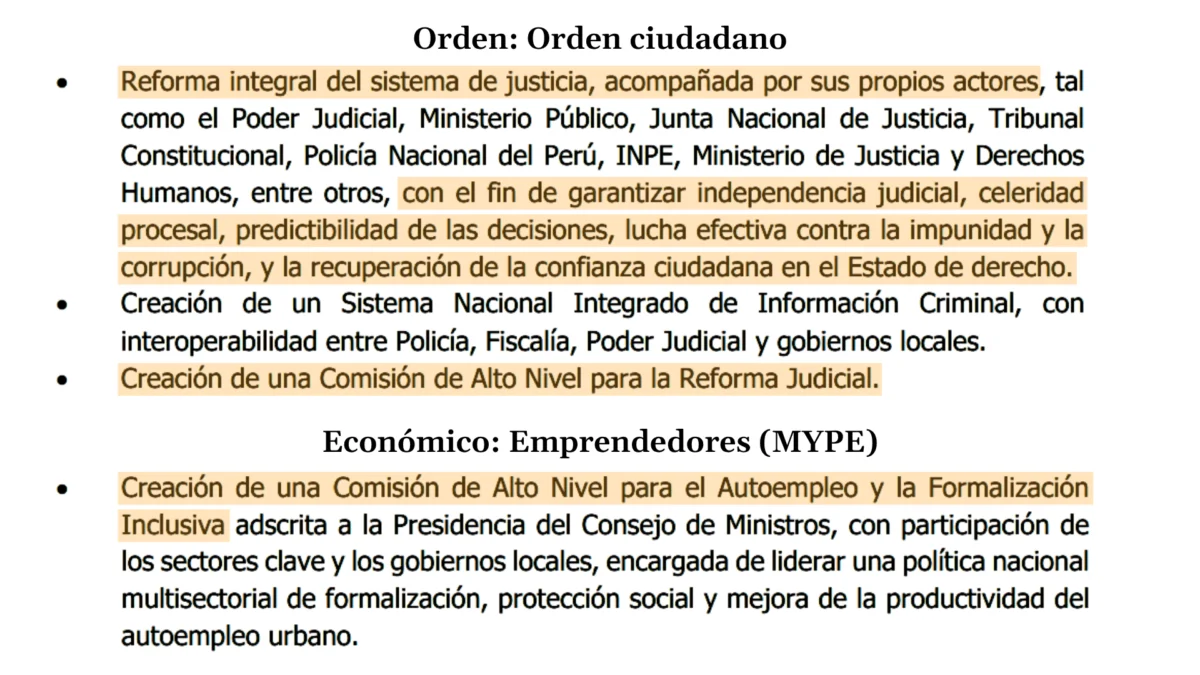
Perhaps the most ambitious aspect of the package involves a structural reform of the justice and penitentiary systems. Minister Ernesto Álvarez has been vocal about the systemic decay that has plagued these sectors for decades. The proposed measures aim to tackle:
- Penitentiary Overcrowding: The Executive seeks the power to implement infrastructure and policy changes to alleviate the extreme congestion in prisons, which often serves as a breeding ground for organized crime.
- Separation of Offenders: A primary goal is to reform the classification system within jails to ensure that first-time offenders are not exposed to hardened criminals, a move intended to prevent recidivism and professionalization of crime.
- Police Empowerment: The government intends to provide the National Police with enhanced legal and technical capabilities to perform efficient preliminary investigations and arrests, reducing the "revolving door" effect currently observed in the judicial process.
2. Climate Resilience: Preparing for El Niño
With meteorological forecasts predicting significant rainfall and environmental disruption due to the El Niño phenomenon, the government is seeking fast-track authority to allocate resources and execute emergency infrastructure projects. The goal is to move beyond mere reactive planning and toward proactive mitigation, ensuring that vulnerable regions are better equipped to handle the potential flooding and agricultural damage associated with the climate event.
3. Bureaucratic Simplification
The "trabas burocráticas" (bureaucratic obstacles) mentioned by the President have long been cited as a major barrier to economic growth and public service delivery. The legislative request includes provisions to streamline procurement processes, digitize government interaction, and reduce the red tape that hinders the transition of state resources into completed public works.
Official Responses and Political Dynamics
The reception of the proposal in the legislature has been mixed, though there is a palpable sense of urgency among the leadership. Miguel Torres, a key figure in the congressional discussions, has publicly expressed hope that both chambers of Congress will handle the request with the celerity required by the current national context.
President Fujimori, for her part, has adopted an optimistic yet firm tone. "We know that Congress has many routes to debate and decide on these powers," she stated, while simultaneously appealing to the "objectivity and common sense" of the opposition and coalition members alike. She emphasized that the state must operate at a higher velocity to convert available resources into tangible benefits for the population.
However, the opposition remains vigilant. While the rhetoric of "security" and "economic growth" is universally popular, the specific legal mechanisms the Executive intends to use to achieve these goals are expected to undergo intense scrutiny. Critics argue that delegated powers should be narrow in scope to prevent overreach, while supporters believe that the current state of emergency—economic, environmental, and criminal—demands a broader mandate.
Implications for the Nation
The outcome of this legislative push will have profound implications for the remainder of the current administration’s term.
The Security-Justice Nexus
If granted, the ability to reform the prison system would represent a historic shift in how the country handles crime. For years, the lack of space and the degradation of the penitentiary environment have rendered rehabilitation efforts largely ineffective. By targeting these specific issues, the administration is making a high-stakes bet that a more orderly justice system will directly correlate to a decrease in urban crime rates—a top priority for the average citizen.
Economic Impact
The effort to eliminate bureaucratic obstacles is closely tied to the country’s economic outlook. By reducing the time and cost associated with public projects, the government hopes to stimulate the construction and services sectors, thereby creating jobs and improving the flow of capital throughout the provinces. The success of this initiative could provide a much-needed boost to GDP growth, which has faced headwinds in recent quarters.
Political Stability
Finally, the process serves as a test of the relationship between the Executive and the Legislative branches. In a political climate often characterized by gridlock and the threat of institutional dissolution, this request offers a pathway toward "dialogue-based governance." President Fujimori’s call for a "responsible dialogue" suggests an attempt to normalize executive-legislative relations, prioritizing policy output over political confrontation.
Conclusion: A Turning Point
The request for legislative powers is a definitive move by the Fujimori administration to reclaim the initiative in a complex governance environment. With more than 60 measures on the table, the scale of the proposed reform is significant. As the legislative debate intensifies, the eyes of the nation will be on the Congress to see if it can rise to the challenge of providing the tools for reform while maintaining the necessary constitutional checks and balances.
For the citizens, the stakes are clear: a more secure environment, a more resilient response to climate change, and a government that functions with greater efficiency. Whether this "new velocity" can be achieved will depend on the willingness of all political actors to prioritize the national interest over partisan interests in the coming weeks. The government remains optimistic, but the path forward will require not only the legal authority requested but the political will to implement these changes across a deeply entrenched system.