Executive Summary: Securing Liquidity in a Time of Crisis
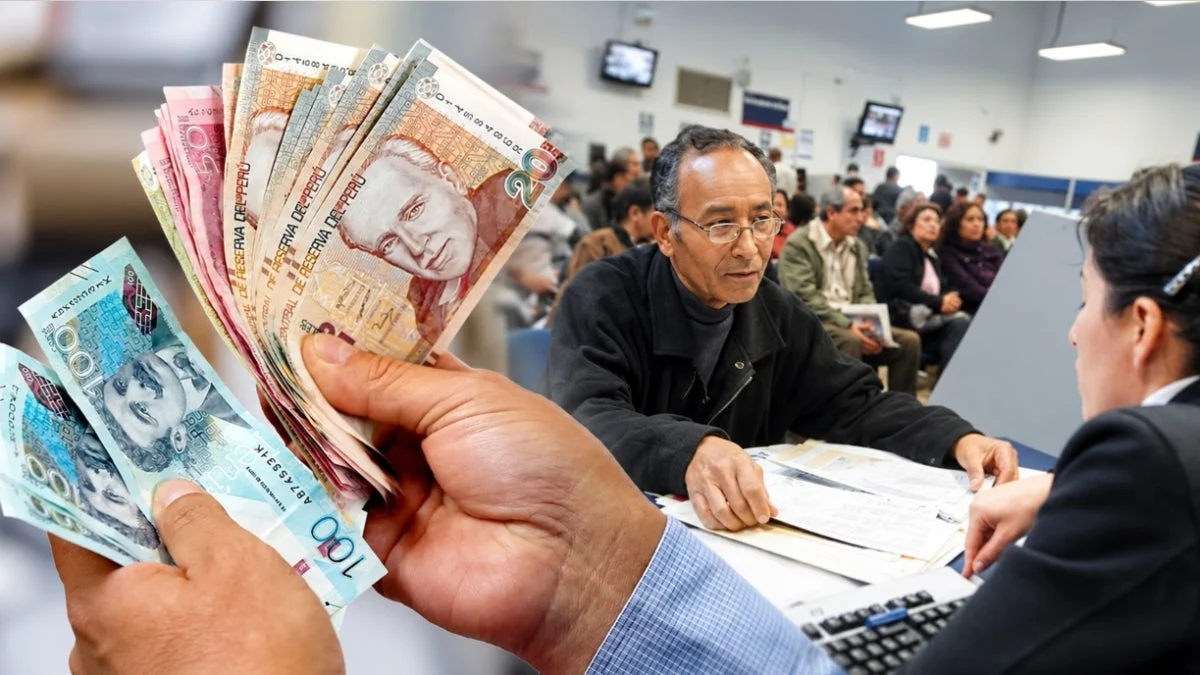
In a significant development for Peru’s energy sector, the Board of Directors of the state-owned oil company, Petroperú, has officially authorized the formalization of a temporary financial instrument—a "bridge loan"—to address the company’s ongoing liquidity crisis. This move represents the first tangible step toward realizing a comprehensive financial rescue package announced earlier this year, valued at approximately US$2 billion.
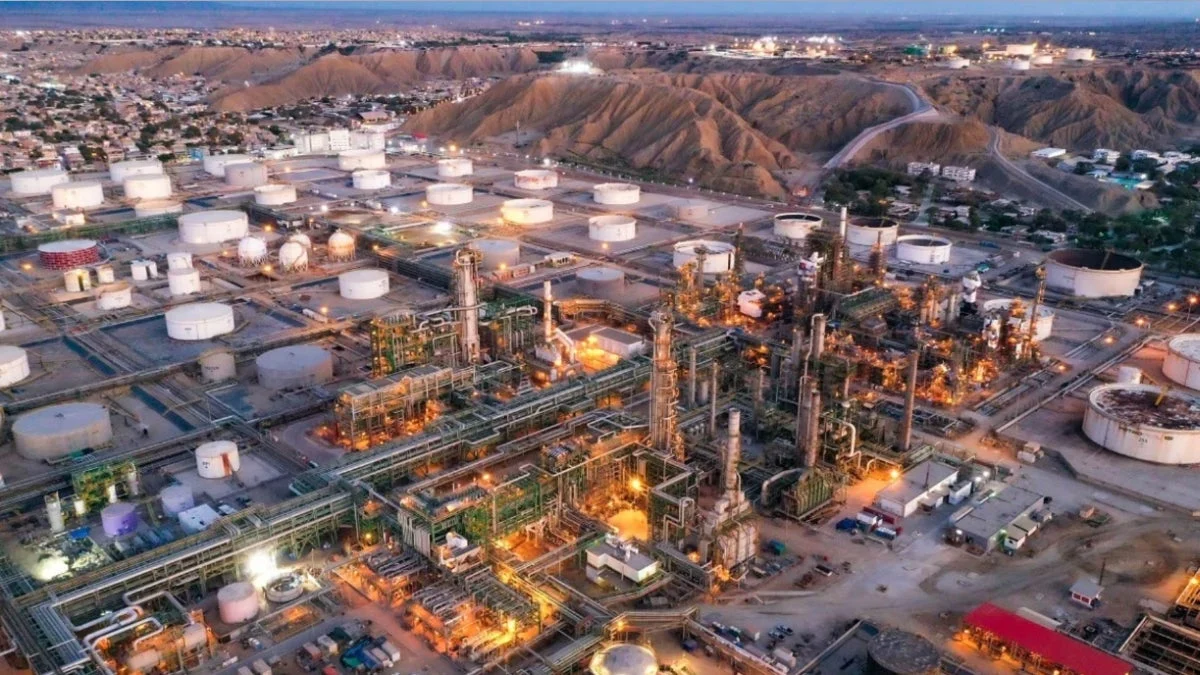
The board’s recent approval, finalized during its session on August 26, 2026, paves the way for a bridge credit facility of up to US$475 million. These funds are designated to cover the immediate operational costs of the company, specifically the procurement of crude oil and the maintenance of refinery operations. As Petroperú navigates a period of extreme financial pressure, this injection of capital is viewed as a vital lifeline to prevent systemic disruptions in the nation’s fuel supply chain.
Chronology of a Financial Rescue
The journey to this bridge financing began in early 2026, marked by mounting concern over Petroperú’s operational sustainability.
- May 2026: The government, then led by José María Balcázar, unveiled a sweeping financial rescue plan intended to inject US$2 billion into Petroperú. The goal was to stabilize the company’s balance sheet and ensure the continuity of its core functions.
- The Interim Period: Throughout the summer, the company grappled with cash flow deficits, struggling to maintain its supply lines while waiting for the promised government support to materialize. During this time, the state established a new subsidiary, Petroperú Invest S.A.C., designed to act as a vehicle for these financial operations.
- August 26, 2026: The Petroperú Board of Directors issued formal authorization (Agreement N° 094-2026-PP) to proceed with the "Bridge Credit Agreement." This action included the designation of specific representatives, such as Carlos Adrián Linares Peñaloza, to act on behalf of the company in the shareholders’ meeting of the new subsidiary to finalize the credit terms.
Breaking Down the Bridge: What is a "Bridge Credit"?
In financial terms, a bridge loan is a short-term financing tool used to "bridge" the gap between immediate cash requirements and a more permanent, long-term funding solution. Petroperú is currently operating under the weight of high debt servicing costs and fluctuating global oil prices, which have severely restricted its working capital.
Originally, the rescue plan discussed in May envisioned a bridge loan of US$500 million. However, the current authorization specifies a limit of US$475 million. The reduction of US$25 million is significant, as it reportedly covers the costs associated with the structuring of the debt, including legal fees, financial advisory services, and the administrative overhead required to set up the facility.
It is important to note that, as of late August 2026, the funds have not yet been disbursed. While the legal authorizations are now in place, the specific terms of the loan—including interest rates, repayment schedules, and the identities of the lending institutions—remain undisclosed by the state-owned firm.
The Role of ‘Petroperú Invest’
The creation of Petroperú Invest is a strategic maneuver by the state. By utilizing this subsidiary, the parent company hopes to insulate the operation and potentially facilitate more complex financial maneuvers that would be difficult to execute under the main corporate structure alone.
By appointing Luis Alberto Suárez Carlo to represent Petroperú in the signing of these documents, the board has centralized the responsibility of the debt, ensuring that the legal framework for the borrowing is airtight. This administrative rigor is essential given the scrutiny the company faces from international rating agencies and local stakeholders.
Stakeholder Criticism: The Call for Transparency
Despite the move being welcomed by government officials as a necessary step for energy security, the Federation of National Petroleum Workers (Fenpetrol) has voiced strong opposition regarding the process’s efficiency and transparency.
The Delay Argument
Fenpetrol has highlighted that it has taken nearly nine months since the initial restructuring legislation was passed for this first "bridge" to be authorized. The union argues that this excessive delay has forced the company to operate in a state of perpetual risk, affecting worker morale and operational safety. "After almost nine months of approved legal mechanisms aimed at the restructuring of Petroperú, only now is the first tranche of the bridge financing being authorized—a situation that must be clarified," the union stated in an official communique.
Demands for Financial Accountability
Perhaps more importantly, the union has demanded full transparency regarding the US$25 million "structuring cost." Fenpetrol argues that in a time of extreme austerity, the public has a right to know:
- Breakdown of Fees: Which law firms and financial consultants are receiving the fees, and what is the justification for the costs?
- Total Exposure: Given that the overall rescue plan reaches US$2 billion, what is the cumulative cost of these structural fees across all phases?
- Governance: Is the current management structure truly optimizing costs, or are these fees indicative of inefficient administrative processes?
Economic and Strategic Implications
The situation at Petroperú is not merely a corporate matter; it is a matter of national security. As the primary provider of fuel for the Peruvian market, any failure in Petroperú’s supply chain would result in immediate price spikes and potential shortages of diesel and gasoline across the country.
Impact on Energy Sovereignty
The government’s decision to back the company stems from a desire to maintain state control over energy infrastructure. However, the reliance on bridge loans suggests that the company is still far from achieving the operational efficiency required to be self-sustaining. The market is waiting to see if this bridge loan will be followed by a more robust restructuring plan that addresses the root causes of the company’s debt, rather than merely kicking the can down the road.
Market Confidence
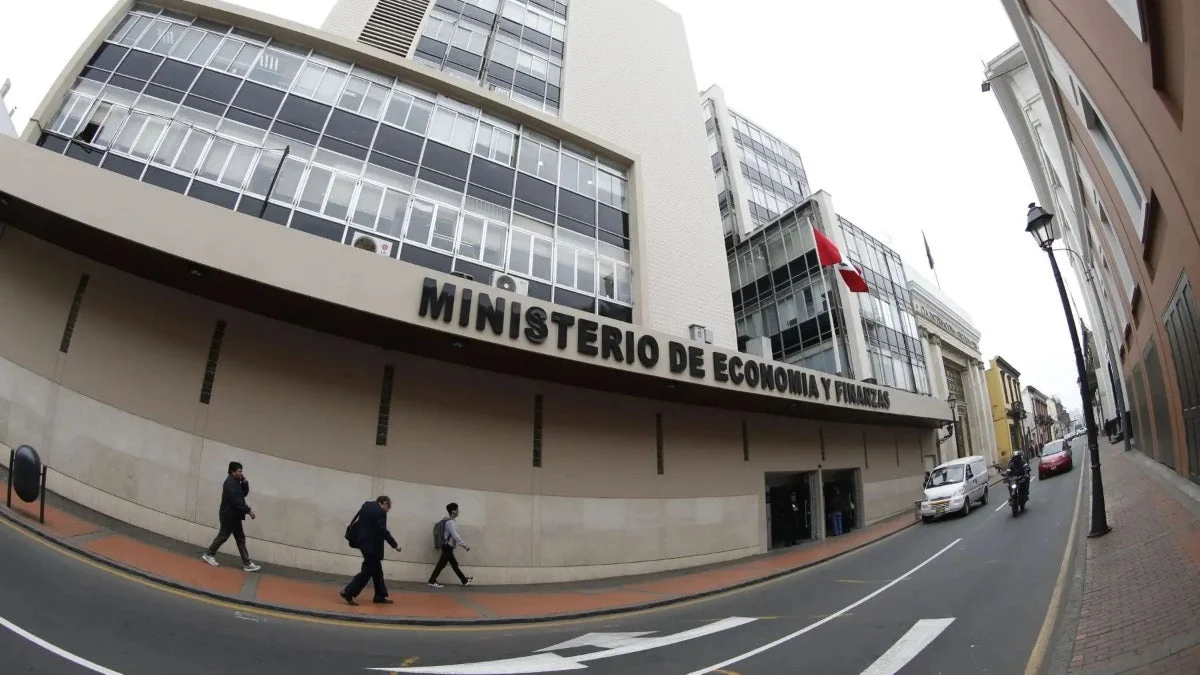
For international investors, the ambiguity surrounding the terms of the US$475 million loan is a point of concern. If the loan comes with high interest rates or burdensome covenants, it could further erode Petroperú’s credit rating, making future long-term financing even more expensive. Investors will be looking for a clear strategy from the Ministry of Economy and Finance that demonstrates a path toward long-term profitability.
Conclusion: The Road Ahead
The authorization of the bridge loan is a critical, albeit overdue, step in the stabilization of Petroperú. While it provides the necessary capital to keep the refineries running in the short term, the company remains under intense pressure to demonstrate fiscal responsibility.
The coming weeks will be decisive. The public and the workers’ unions will be watching closely to see when the funds arrive, what the exact interest costs are, and how the company plans to utilize the remaining US$1.5 billion of the original rescue plan. For the current administration, the challenge remains to balance the preservation of a strategic state asset with the need for transparent, efficient, and market-aligned management.
As Petroperú moves forward, the bridge financing will serve as a litmus test for the government’s ability to navigate the complex waters of energy policy and corporate rescue. Failure to execute this effectively could have lasting consequences for both the company and the Peruvian economy at large.