By Technology Desk
In an era where digital communication serves as the backbone of global commerce, social interaction, and news dissemination, the stability of instant messaging platforms is paramount. On Monday, August 3, 2026, millions of users across the globe—spanning from South America to North America—found their digital workflows interrupted as WhatsApp, the world’s most popular messaging application, suffered a significant, albeit partial, service disruption.
The outage, which began in the mid-afternoon, primarily affected the transmission of multimedia files, leaving users unable to share images, videos, and voice notes. As of the time of reporting, the platform’s parent company, Meta, has yet to issue a comprehensive explanation, leaving the international user base in a state of digital limbo.
The Scope of the Disruption: Main Facts
The primary issue reported by users on August 3 involved a localized failure within the WhatsApp server-side architecture responsible for processing media uploads and downloads. Unlike a total blackout, which would render the application entirely useless, this incident was characterized by the inability to send or receive non-textual data.
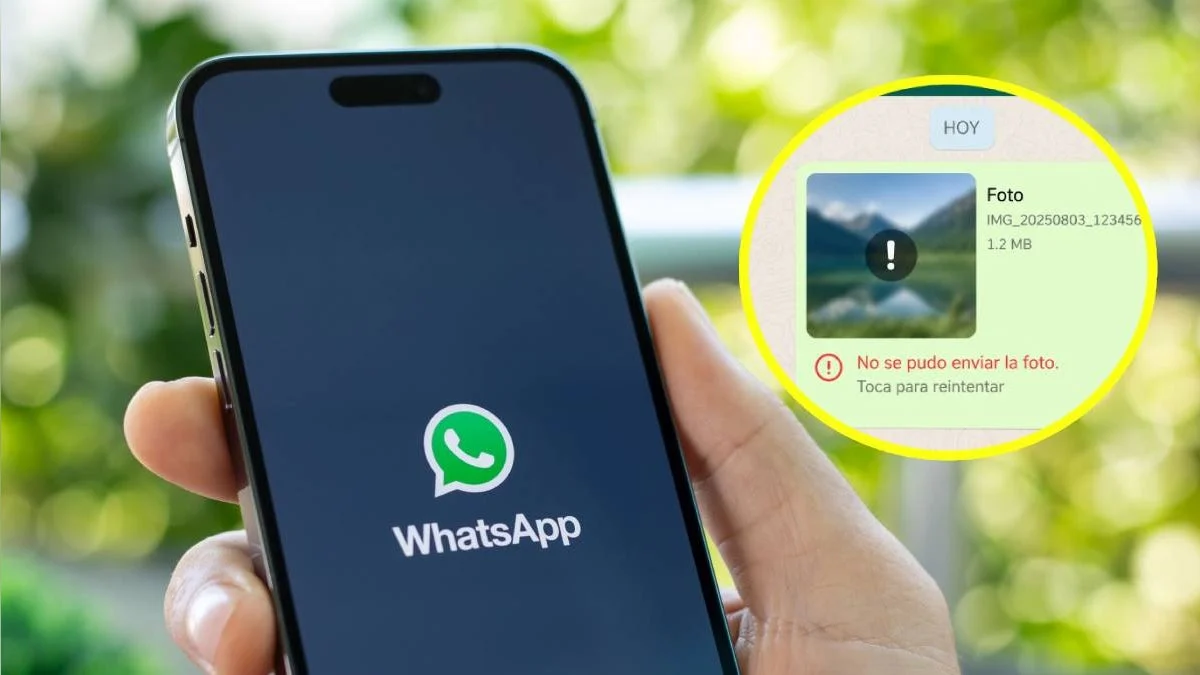
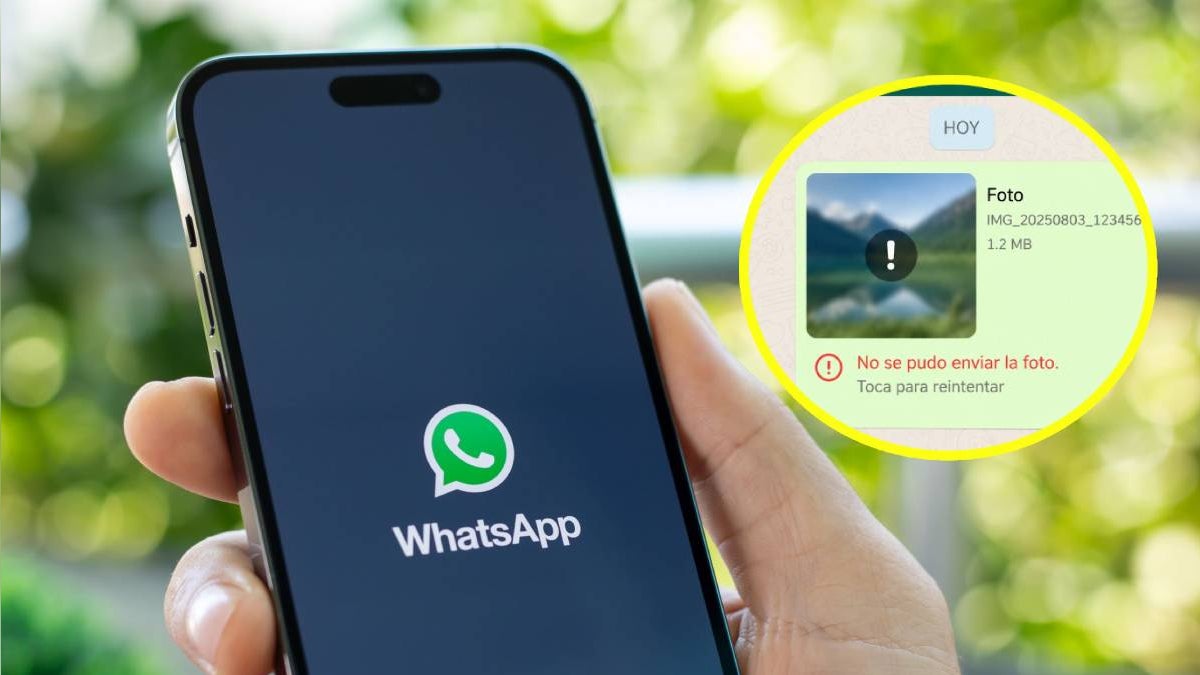
When users attempted to attach photos, videos, or documents to their chats, the application consistently displayed an "error" message, followed by an automated prompt to "retry." This persistent notification suggested that while the text-based signaling servers remained functional, the Content Delivery Network (CDN) or the encryption-decryption modules for media files were encountering significant bottlenecks or failures.
Reports confirmed that this malfunction was not platform-specific, affecting users on both Android and iOS mobile operating systems. Furthermore, the desktop and browser-based versions of the service, WhatsApp Web and WhatsApp Desktop, also experienced identical failures, confirming that the issue originated at the server level rather than being a client-side bug.
A Chronological Breakdown of the Event
The first indications of trouble began to surface in Peru around 4:00 p.m. local time (PET). Within minutes, the volume of reports on social media platforms like X (formerly Twitter) and tracking services like Downdetector spiked, suggesting that the problem was not an isolated incident.
- 3:45 p.m. – 4:00 p.m. (PET): Early indicators emerge as users in Lima and other major Peruvian cities report sluggish media loading times.
- 4:15 p.m.: The spike in "error" reports on Downdetector confirms that the issue is widespread. Users report that while text messages are delivered with minor latency, any attempt to share a JPEG or MP4 file results in an immediate failure.
- 4:30 p.m. – 5:00 p.m.: The geographic reach of the outage expands. Data confirms that users in Colombia, Mexico, and parts of the United States are experiencing the same symptoms. The "partial outage" classification becomes solidified as users realize text-only communication remains largely intact.
- 5:30 p.m. onwards: Despite the global nature of the outage, the lack of official communication from Meta causes frustration. Thousands of businesses that rely on WhatsApp for customer service operations report a complete halt in their ability to provide visual proofs or document sharing to clients.
Supporting Data: The Digital Pulse of the Outage
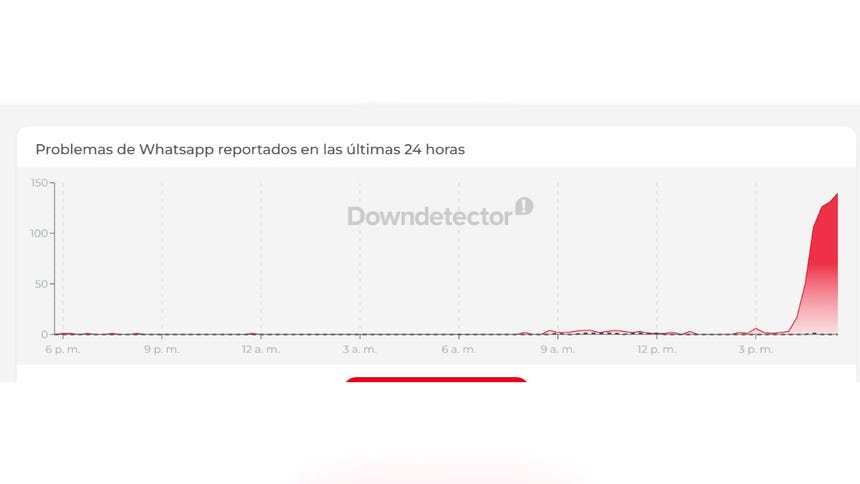
According to real-time analytics provided by Downdetector, the surge in reported issues reached a critical mass within 45 minutes of the initial incident. In Mexico, the intensity of the reports indicated that the outage was affecting both domestic ISP users and international business travelers.
The data visualization provided by these tracking platforms highlighted a "red zone" covering the majority of the Latin American corridor. For many, the frustration was compounded by the fact that WhatsApp has become an essential tool for professional environments. In many Latin American countries, WhatsApp is the primary method of conducting business, replacing email as the standard for B2C (Business-to-Consumer) interactions. Consequently, even a three-hour disruption of media capabilities translates into measurable economic friction for small-to-medium enterprises (SMEs).
The Silence from Meta: Official Responses
As of the evening of August 3, the silence from Meta’s communications department remained deafening. This lack of transparency has become a point of contention for tech analysts who argue that as a global utility, WhatsApp carries a responsibility to provide real-time status updates during service failures.
Historically, Meta has been criticized for its "black box" approach to technical outages. By not providing a public post-mortem or a status update on their official "WhatsApp Status" channel, the company leaves millions of users guessing whether the issue is a cyber-attack, a server migration error, or a routine maintenance task gone wrong. Industry experts speculate that the silence may be a strategy to avoid drawing unnecessary attention to the vulnerability of their infrastructure, particularly as they push for deeper integration between WhatsApp, Instagram, and Facebook under the Meta umbrella.
Implications of the WhatsApp Dependency
The events of August 3 serve as a stark reminder of the risks associated with the "monoculture" of digital communication. When a single service provider dominates a market, the systemic risk of an outage is magnified exponentially.
1. Economic Impact on SMEs
In Peru and Mexico, local commerce relies heavily on WhatsApp for catalogs, order processing, and visual confirmation of payments. When multimedia functionality fails, these businesses effectively cease their digital storefront operations. The inability to share images of products or invoices leads to direct financial loss and a degradation of trust between vendors and customers.
2. The Shift to Alternatives
The outage has once again ignited the debate regarding the necessity of platform diversification. During the height of the frustration, users began flocking to encrypted alternatives such as Telegram and Signal. These applications, which often market themselves as more robust and privacy-focused, saw a temporary influx of users. However, the "network effect"—the reality that everyone else is already on WhatsApp—remains a powerful deterrent for long-term migration.
3. Infrastructure Vulnerability
This incident underscores the fragility of cloud-based multimedia handling. As WhatsApp continues to increase file size limits and integrate more complex features like "Channels" and "Communities," the strain on their backend infrastructure grows. The August 3 event suggests that the current server architecture may be struggling to keep pace with the massive, concurrent demand for rich media content in high-density regions.
Moving Forward: Lessons Learned
While the services eventually began to stabilize for some users by late evening, the broader implications remain. For businesses, the lesson is clear: relying on a single third-party platform for critical operations is a high-risk strategy. Diversification of communication channels—incorporating email, dedicated project management tools, and secondary messaging apps—is no longer a luxury but a necessity for business continuity.
For Meta, the challenge lies in balancing the rapid expansion of features with the underlying need for high-availability infrastructure. As users across the Americas continue to voice their concerns, the silence from the tech giant remains the most glaring aspect of this incident. Whether this outage was a minor technical hiccup or a symptom of a larger architectural strain, the August 3 incident stands as a definitive moment for digital communications in 2026, forcing both users and providers to reconsider the reliance on a single, centralized messaging giant.
As of this writing, users are advised to clear their application cache or check for updates in their respective app stores, as such measures sometimes resolve localized syncing issues following a server-side recovery. Nevertheless, the digital community remains on high alert, waiting for an official word from the architects of the world’s most-used messaging platform.