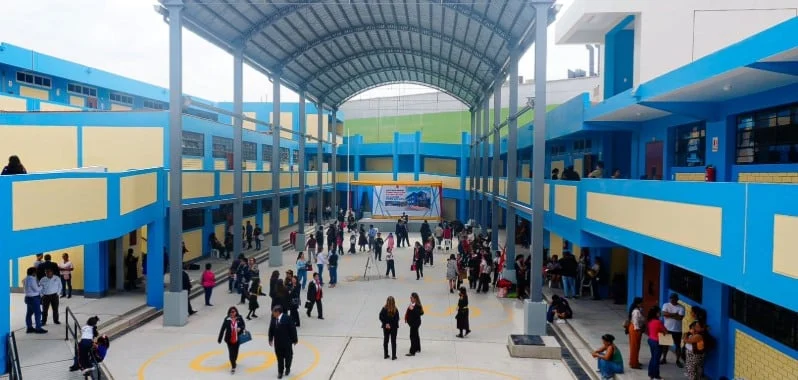
The landscape of education in the rural highlands of Peru is undergoing a significant transformation. In the heart of the Chincheros province, within the remote center of Totorabamba, the I.E. N.º 54225 José Antonio Encinas Franco is nearing the final stages of a comprehensive reconstruction project. With an investment exceeding S/ 11 million, this infrastructure initiative represents more than just concrete and steel; it is a vital effort to bridge the educational gap that has historically marginalized students in the district of Anco Huallo.
As construction crews push toward the finish line, the project stands as a testament to the regional government’s commitment to providing modern, safe, and functional learning environments for students who have long awaited adequate facilities.
Main Facts: A Project of Regional Significance
The I.E. N.º 54225 project is a flagship investment for the Apurímac Regional Government. Executed through the Sub-Region Chincheros, the initiative aims to replace outdated, precarious structures with a state-of-the-art educational facility.
Currently, the project has entered its critical final phase, focusing on finishing touches and complex system installations. Key milestones currently underway include:

- Aesthetic and Structural Finishing: Specialized teams are currently applying high-quality interior and exterior paint across the primary academic blocks (Block 1 and 2), while high-durability floor tiling is being installed in the corridors of Block 3.
- Infrastructure for Resilience: Given the climatic challenges of the Andean region, the project includes extensive work on rainwater drainage systems, including the casting and profiling of specialized channels to prevent flooding and water damage.
- Civic and Safety Spaces: The main civic area is currently receiving its solid concrete slab, providing a permanent, level foundation for school assemblies. Simultaneously, workers are laying down perimeter sidewalks and access paths that meet modern accessibility standards.
- Utilities and Modern Systems: Engineers are finalizing the integration of exterior sanitary networks and the electrical grid for the school’s main patio, ensuring that the facility is fully powered and operational for upcoming academic cycles.
Chronology: From Planning to Completion
The journey of the José Antonio Encinas Franco school has been a long-term strategic effort. While the current construction phase captures the attention of the local community, the roadmap for this project began years ago with the identification of a critical need for safe schooling in Anco Huallo.
- Project Formulation: Local authorities identified the former school structure as being in a state of advanced deterioration, unable to meet the pedagogical or safety standards required by the Ministry of Education.
- Budget Allocation: The project was formally integrated into the regional investment portfolio, securing an S/ 11 million budget. This allocation was justified by the need for high-quality seismic-resistant construction.
- Mobilization and Groundbreaking: Initial site clearance and foundation work commenced following the selection of contractors, navigating the difficult logistics of transporting materials to the Totorabamba terrain.
- Structural Framing (Current Progress): Following the completion of the structural skeleton, the project moved into the complex installation phase. The current focus on finishes indicates that the project is in the final quartile of its scheduled delivery timeline.
- Final Commissioning: The final step will involve the installation of furnishings, educational technology equipment, and final safety inspections before the facility is officially handed over to the school administration.
Supporting Data: Why This Investment Matters
The importance of this investment in the Chincheros province cannot be overstated. Educational data from the Apurímac region suggests that infrastructure quality is a primary driver of student retention.
- Financial Impact: The S/ 11 million investment serves a population that has historically lacked access to modern facilities. This cost-per-student ratio is aligned with national standards for regional school modernization, prioritizing long-term durability to minimize future maintenance costs.
- Technical Specifications: The inclusion of advanced rainwater management and seismic-resistant concrete slabs is essential in a geography prone to extreme weather events. The use of high-traffic flooring in hallways is a proactive measure to ensure the school remains functional for decades to come.
- Social Equity: By focusing on the center of Totorabamba, the regional government is directly addressing the "urban-rural divide," ensuring that students in remote areas have the same baseline of technology and safety as those in major regional hubs.
Official Responses and Strategic Vision
The project is being managed directly by the Sub-Region Chincheros, an arm of the Apurímac Regional Government. Officials have emphasized that this is not an isolated project but part of a wider provincial plan to close the infrastructure gap.
"The goal is not simply to build walls, but to build opportunities," noted a representative from the Regional Government. "Every finish, every electrical line, and every drainage channel is being installed with the intent of creating a space where a child’s only concern is their learning, not the condition of their classroom."

The regional government has maintained a consistent pace of work, noting that despite the logistical challenges of building in high-altitude terrain, the project remains on track. They view this school as a model for future infrastructure projects across the Apurímac region, highlighting the use of durable materials that can withstand the Andean climate.
Implications: The Long-Term Impact on Totorabamba
The completion of the José Antonio Encinas Franco school will have a ripple effect on the local community of Totorabamba.
Pedagogical Impact
The new design of the classrooms, coupled with improved electrical installations, allows for the integration of digital tools. Teachers will no longer be hindered by poorly lit rooms or inadequate space, facilitating a more interactive and modern pedagogical approach.
Community Hub
Schools in rural Peruvian regions often serve as the central hub for community life. The inclusion of an upgraded civic area and a spacious patio of honor allows the school to function as a venue for local assemblies, cultural events, and community-wide gatherings, effectively strengthening the social fabric of the district.

Socioeconomic Stabilization
Improved school infrastructure is a proven factor in increasing local property values and encouraging families to remain in the region. By providing a high-quality educational environment, the government is effectively investing in the long-term human capital of Chincheros, helping to prevent the "brain drain" that occurs when students are forced to migrate to urban centers in search of better facilities.
A Model for Future Projects
As the construction enters its final stages, observers are closely monitoring the project’s execution. The success of this school will likely set the bar for future regional projects. The focus on high-quality finishing and robust utility systems signals a shift toward prioritizing longevity and quality over mere quantity in public works.
Conclusion
As the workers at the José Antonio Encinas Franco school continue to apply the final coats of paint and finalize the electrical grids, the excitement in Totorabamba is palpable. For the students, teachers, and parents of Anco Huallo, the facility is a symbol of progress—a clear signal that the regional government is prioritizing their future.
With the investment of S/ 11 million, the Apurímac Regional Government is fulfilling a vital promise: that the quality of a child’s education should never be limited by their geography. As the school prepares to open its doors, it stands as a beacon of modern education in the heart of the Andes, ready to serve as a cornerstone of development for generations to come.