Executive Summary: A Surge in National Connectivity
The landscape of Peruvian infrastructure is undergoing a period of robust expansion. According to the latest figures released by the Supervisory Agency for Investment in Public Transport Infrastructure (Ositrán), the nation witnessed a significant surge in capital deployment during the first seven months of 2026. Between January and July, the agency certified total investments reaching US$ 825.5 million across various concessions, representing a noteworthy 21.3% increase compared to the US$ 680.7 million recorded during the same period in 2025.
This sustained upward trend underscores the resilience of Peru’s transport sector and the effectiveness of current public-private partnership models in accelerating the modernization of airports, highways, and mass transit systems. With a record-breaking US$ 151.1 million injected in July alone, the data suggests that the country is successfully overcoming historical bottlenecks to prioritize long-term connectivity.
Chronology and Performance Breakdown
To understand the trajectory of these investments, it is essential to analyze the performance across different quarters and the specific acceleration observed in the second and third quarters of 2026.
The First Half: Building Momentum
The year began with a steady focus on existing concessions. The first quarter saw the stabilization of projects that had been stalled in previous years, particularly in the road and rail sectors. By April 2026, Ositrán noted that the pace of work had begun to exceed initial projections, driven largely by the relaxation of regulatory hurdles and an influx of international capital targeting the Andean region’s logistics hubs.
The July Spike
July 2026 proved to be a critical month, serving as a barometer for the sector’s health. The recognition of US$ 151.1 million in investments during this single month highlights a 2.7% increase over July 2025. This monthly surge was not uniform but was concentrated in high-impact projects that require rapid execution to meet strict contractual milestones.

Sectoral Analysis: Where the Capital is Flowing
1. Aeroportuary Expansion: The New Gateway
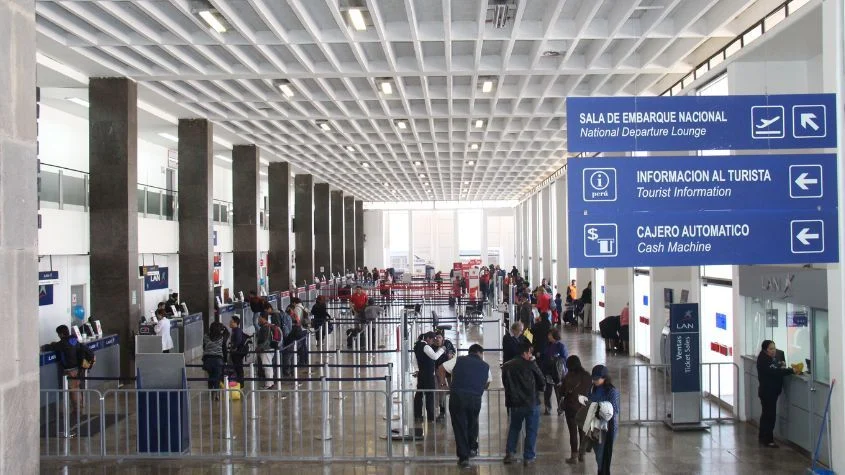
The aviation sector currently stands as the undisputed leader in investment volume. With US$ 435.7 million invested in the first seven months of 2026, the sector experienced a staggering 38.6% growth.
The centerpiece of this activity is the Jorge Chávez International Airport in Lima. As the primary gateway to the country, its expansion project is vital for the region’s tourism and commerce. In July alone, the project accounted for US$ 122.7 million in investment, as contractors pushed to meet the deadlines for the new terminal facilities. The scale of this investment reflects a broader strategic goal: positioning Peru as a premier regional transit hub.
2. The Road Network: Rapid Modernization
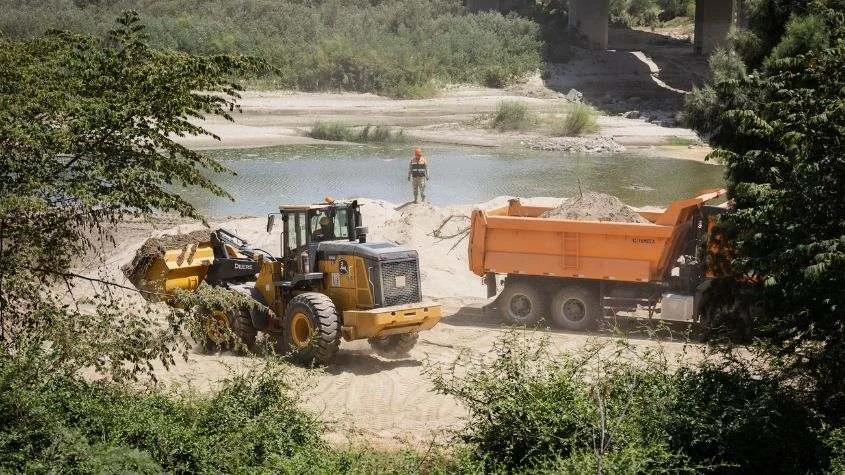
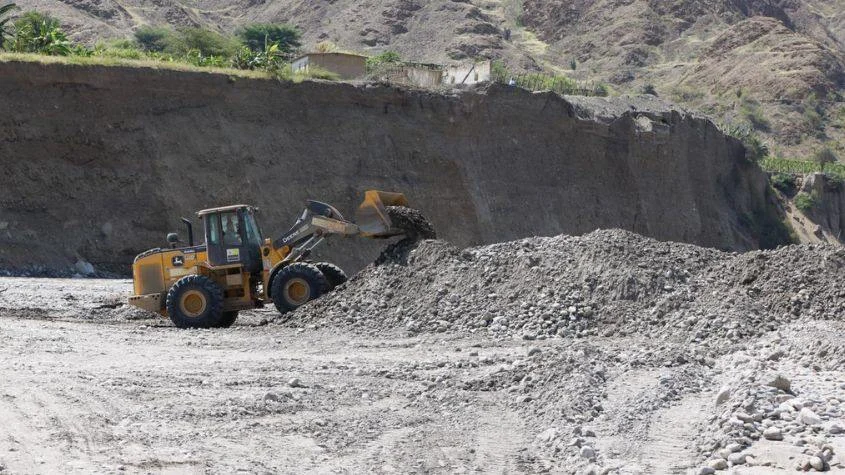
While airports captured the largest share of capital, the highway sector demonstrated the most impressive rate of growth. Investments in the national road network reached US$ 80.8 million, marking a 46.1% increase compared to the previous year.
Key corridors, such as IIRSA Norte and IIRSA Sur, have been the focus of extensive maintenance and upgrade programs. These projects are critical for linking the productive regions of the interior with the coastal ports, ensuring that agricultural exports and mineral resources can reach global markets with greater efficiency.
3. Rail and Mass Transit: The Challenge of Progress
The rail and Metro sector contributed US$ 298.1 million, reflecting a modest growth of 0.8%. While the growth percentage appears low, the complexity of urban mass transit projects—specifically the Lima Metro Line 2—cannot be overstated.

During July, efforts were concentrated on the advancement of critical infrastructure, including the Bolognesi and Estación Central stations. These stations are essential for the integration of the city’s transport network. Despite the slow growth rate, the sheer volume of capital being funneled into subterranean construction remains one of the largest engineering undertakings in South America.
4. Maritime Ports: A Temporary Lull
In contrast to other sectors, the port infrastructure category recorded a decline of 76%, totaling US$ 10.9 million. Industry analysts suggest that this reduction is likely a temporary fluctuation resulting from the transition between completed phases and the commencement of new major expansions. As global trade shifts toward larger, deeper-water ports, experts anticipate a surge in maritime investment in the coming months as pending port facility upgrades reach the construction phase.
Cumulative Historical Context: A Decade of Commitment
Beyond the immediate figures of 2026, the historical data paints a picture of a nation committed to long-term structural transformation. As of the end of July 2026, the total historical investment under Ositrán’s supervision reached an impressive US$ 14,750.4 million.
This cumulative figure represents 64.3% of the total investment commitments established in current concession contracts. This statistic is vital for stakeholders, as it indicates that the majority of planned works are either completed or in an advanced state of execution. It provides a sense of security to investors and the public alike, demonstrating that the contractual obligations are being honored and that the physical assets are reaching operational readiness.
Official Perspective and Economic Implications
The Ministry of Transport and Communications (MTC), working in tandem with Ositrán, has highlighted these results as evidence of a "pro-investment environment." Government officials have emphasized that these infrastructure projects are not merely about construction; they are about reducing the logistics costs that currently act as a drag on Peru’s GDP.

Economic Multipliers
Every million dollars invested in transport infrastructure carries a significant multiplier effect. For every kilometer of highway paved or every square meter of airport terminal constructed, there is a ripple effect in job creation, demand for raw materials, and the long-term lowering of transport costs for small and medium-sized enterprises (SMEs).
Addressing the Infrastructure Gap
Despite the positive figures, experts warn that the "infrastructure gap"—the difference between the current state of infrastructure and what is required to sustain a modern economy—remains a challenge. While US$ 825.5 million in seven months is a significant achievement, the demand for high-quality connectivity continues to outpace current supply. The focus for the remainder of 2026 and into 2027 will be on maintaining this velocity while ensuring that safety and environmental regulations are not compromised by the speed of development.
Future Outlook: Sustaining the Pace
As the second half of 2026 progresses, all eyes are on whether the momentum generated in July can be sustained throughout the final quarter. Several factors will influence this:
- Regulatory Efficiency: The ability of Ositrán to continue certifying investments quickly will be crucial.
- Public-Private Cooperation: The ongoing dialogue between concessionaires and the state will remain the backbone of project delivery.
- Global Economic Stability: As an export-oriented economy, Peru’s infrastructure investments are partially contingent on the confidence of international capital markets.
In conclusion, the performance of the transport infrastructure sector in the first seven months of 2026 is a positive signal for the Peruvian economy. With double-digit growth in key areas and a massive, historical accumulation of capital assets, the nation is laying the groundwork for a more competitive and connected future. As projects like the Jorge Chávez airport and the Lima Metro advance, they will serve as the pillars upon which Peru’s future economic growth is built.
Data Source Summary:
- Total Investment (Jan-Jul 2026): US$ 825.5 million
- Growth YoY: 21.3%
- July 2026 Investment: US$ 151.1 million
- Historical Cumulative Investment: US$ 14.75 billion
- Top Performer (Growth): Road Network (+46.1%)
- Top Performer (Volume): Airports (US$ 435.7 million)