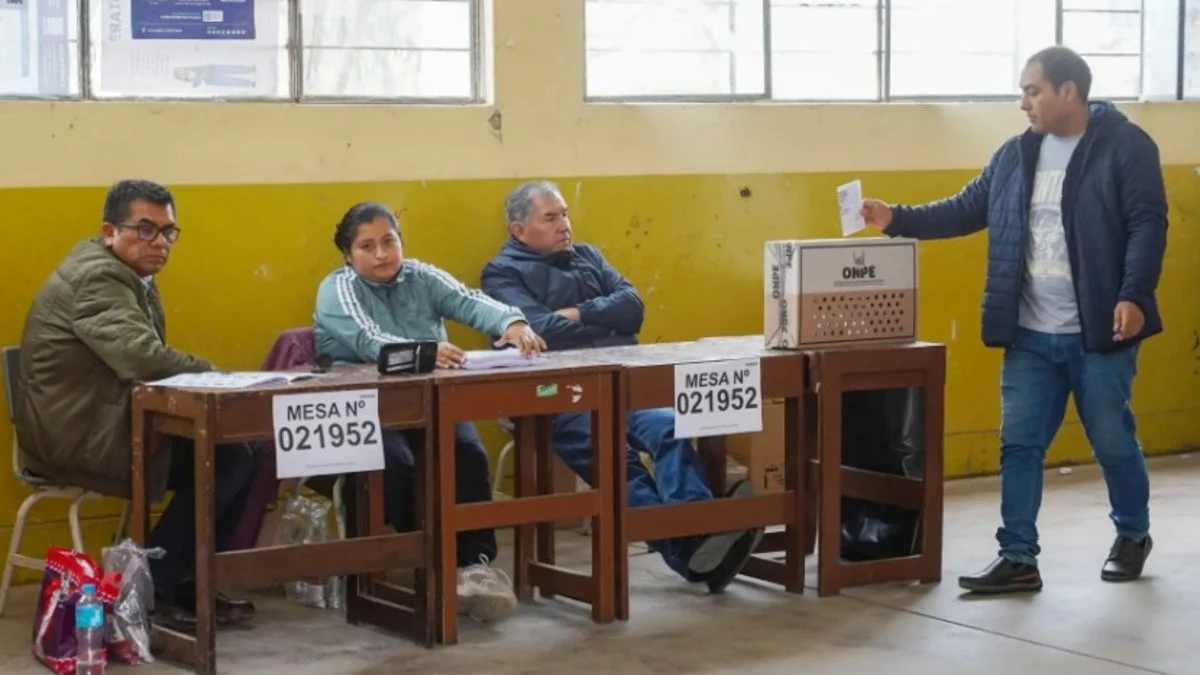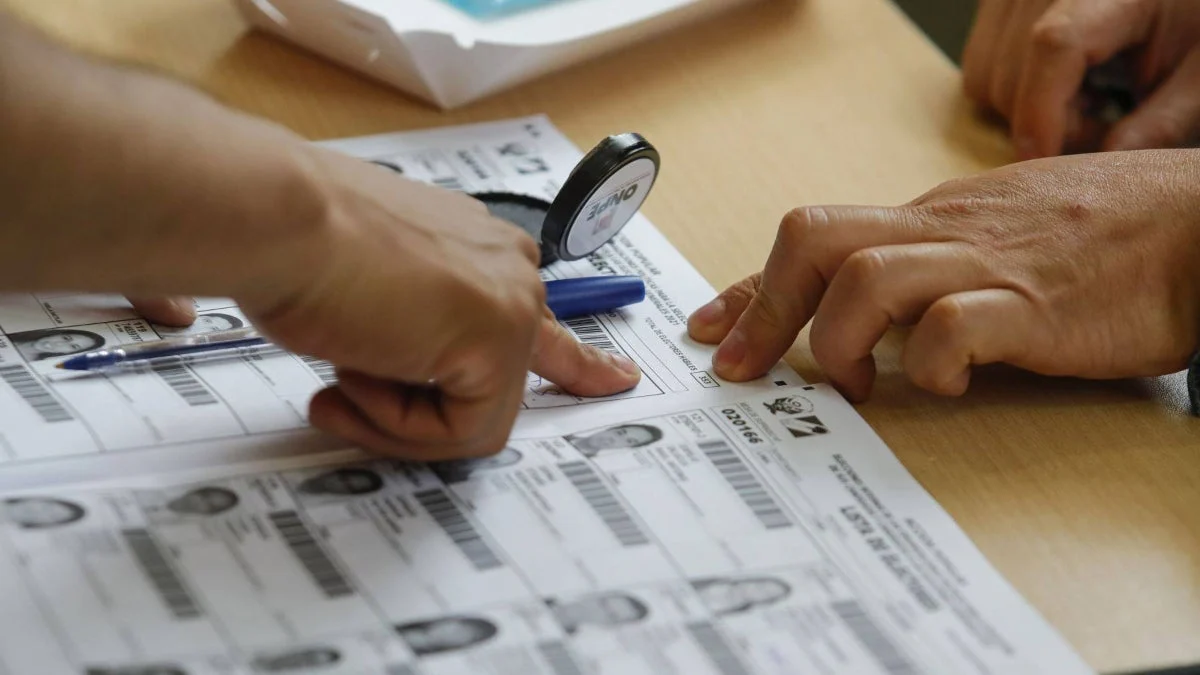
As the countdown to the October 4, 2026, Regional and Municipal Elections (ERM) intensifies, the electoral authorities have issued a definitive reminder to the public: the electoral roll—the master list of eligible voters and their assigned polling stations—was officially sealed on April 7, 2026. For millions of citizens who have relocated in the months following this deadline, this means that their physical place of residence and the address currently printed on their National Identity Document (DNI) may no longer align with their legal obligation on election day.
This administrative reality serves as a crucial checkpoint for the electorate. Whether due to professional relocation, personal choice, or household expansion, those who updated their address with the national registry after April 7 will find themselves required to cast their ballots in the jurisdiction registered at the time of the cutoff. Understanding the mechanisms behind this decision is essential to avoiding confusion and ensuring that every citizen exercises their democratic right in the correct location.
The Core Facts: Understanding the April 7 Cutoff
The electoral roll is not a dynamic, real-time database that updates automatically to reflect a citizen’s every move. Instead, it is a static snapshot of the nation’s demographics at a specific point in time, designed to provide stability and security to the electoral process.
For the 2026 Regional and Municipal Elections, the legal deadline for any change of domicile to be reflected in the voting location was April 7, 2026. Any citizen who failed to update their DNI address before this date remains tied to their previous district for the purpose of the upcoming October vote.
Why the Deadline Matters
The integrity of an election depends on the predictability of its logistics. By closing the electoral roll months before the election, the National Jury of Elections (JNE) and the national identification body can finalize the distribution of polling stations, allocate ballots to specific districts, and ensure that the number of registered voters in any given area does not exceed the capacity of the local voting centers. If the roll were to remain fluid until the week of the election, the administrative chaos—ranging from ballot shortages to the misplacement of voter records—would threaten the very validity of the results.
Chronology of the Electoral Roll Process
The finalization of the electoral roll is a multi-stage process that involves rigorous verification and inter-institutional coordination.
- Data Collection (Up to April 7, 2026): The national registry compiles data from the Unique Registry of Identification of Natural Persons (RUIPN). This includes names, surnames, birth dates, and the legal domicile of every citizen. This phase concludes on the cut-off date.
- Verification and Processing: Once the data is frozen, technical teams conduct cross-checks to remove deceased individuals, citizens with suspended political rights, or those who have reached the age of majority since the last cycle.
- Formal Approval (June 5, 2026): Following a period of review and auditing, the electoral roll was officially approved by the JNE on June 5. This document constitutes the absolute legal authority for the October 4 election.
- Final Tally: The approved roll consists of 26,314,724 eligible voters. This massive dataset is then mapped to specific polling stations, a process that is finalized by mid-year to allow for the printing and distribution of materials.
Supporting Data: The Scale of Internal Migration
The scale of movement within the country is significant. According to data provided by the national identification agency, between 2025 and 2026, there were 1,199,691 formal applications for address changes. Specifically, during the first few months of 2026, 373,244 citizens initiated the process of updating their records.
This volume of movement illustrates why the April 7 deadline is a logistical necessity. If all 373,244 individuals who moved in 2026 were permitted to shift their voting location after the cut-off, the strain on the existing infrastructure in popular urban centers would be immense.
To formalize these changes, citizens were required to provide verifiable proof of residency. The most common method of authentication was the submission of an original utility bill—water, electricity, or gas—dated no more than six months prior to the application. This ensures that the registry is not used as a tool for electoral fraud, such as "voting tourism," where citizens move their residency to a district with a smaller population to exert undue influence on local municipal outcomes.
Official Responses and the Logic of Administrative Stability
Authorities from the JNE have been clear: while a citizen’s address change is processed and updated in the national database, it does not hold retroactive power over the current electoral cycle once the roll is sealed.
The "Snapshot" Philosophy
The official position is that the electoral roll must be viewed as a "snapshot." For the purposes of the 2026 ERM, the citizen’s legal residence is defined not by where they sleep on October 4, but by where they were legally established as of April 7.
When asked about the confusion this causes for newly moved citizens, officials emphasized that the electoral calendar is published well in advance. The purpose of this transparency is to encourage citizens to handle their administrative affairs early. By making the registration process clear and the deadlines public, the state places the responsibility on the voter to ensure their documentation is in order before the cutoff.
Implications for the Electorate: What Should You Do Now?
For those who have moved recently, the reality is that they must make arrangements to travel to their former district to cast their vote. Failure to do so may result in fines or administrative complications, as voting is mandatory in many jurisdictions.
Step-by-Step Guidance for the Voter:
- Verify Your Status: Even if you believe you know your district, visit the official JNE portal. Enter your DNI number to see the exact polling station assigned to you based on the April 7 roll.
- Plan Your Logistics: If your assigned polling station is in a different district or city, plan your transportation early. Consider the travel time required to reach your old neighborhood on a Sunday morning.
- Prepare for Future Cycles: It is important to note that the address updates processed after April 7 are not "wasted." They are securely stored in the national database and will be automatically applied to the electoral roll for the next scheduled election, provided the new address was registered within the legal window.
- Avoid Misinformation: Do not rely on social media rumors or unverified claims that suggest you can vote at a local station if your name is not on the registry. The physical printed roll at the voting table is the only document that determines eligibility.
The Bigger Picture
The 2026 elections represent a vital democratic exercise for over 26 million people. The integrity of these elections relies on the rules being applied equally to everyone. While the rigidity of the April 7 deadline may be an inconvenience for individual citizens who have experienced life changes, it is a safeguard for the system as a whole. It prevents the manipulation of voter populations and ensures that the election results are a reflection of the registered citizenry as they were established months before the campaign reached its peak.
As the October 4 election day approaches, the primary message from the electoral board is one of civic responsibility: check your status, respect the established administrative deadlines, and prepare your travel plans to the correct district. Democracy requires not just the act of voting, but the commitment to follow the processes that make that vote count.
For the nearly 400,000 citizens who moved during 2026, the current situation is a reminder of the importance of staying informed. While this cycle requires a trip to a previous district, your updated information is now safely archived, ensuring that in the future, your participation will be aligned with your current home. Stay informed, verify your polling station early, and ensure your voice is heard at the correct ballot box.