In a move that signals a renewed focus on technical rigor and fiscal discipline, the Peruvian Congress has elected Senator José Arista Arbildo (Fuerza Popular) as the President of the Bicameral Commission on the Budget and the General Account of the Republic for the 2026-2027 legislative period. Arista, a former Minister of Economy and Finance, brings decades of experience to a role that sits at the very heart of the nation’s governance: the architecture of the 2027 Public Sector Budget.
The unanimous election, held on Thursday, June 20, underscores a broad parliamentary consensus regarding the need for experienced leadership as the country navigates a complex economic landscape characterized by both structural challenges and the urgent need for fiscal efficiency.
The Mandate: Architecting the 2027 Fiscal Plan
The newly formed commission faces one of the most critical responsibilities in the legislative calendar. Tasked with the exhaustive analysis of the Draft Law on the Public Sector Budget for the 2027 Fiscal Year, the commission serves as the primary filter for the government’s financial priorities.
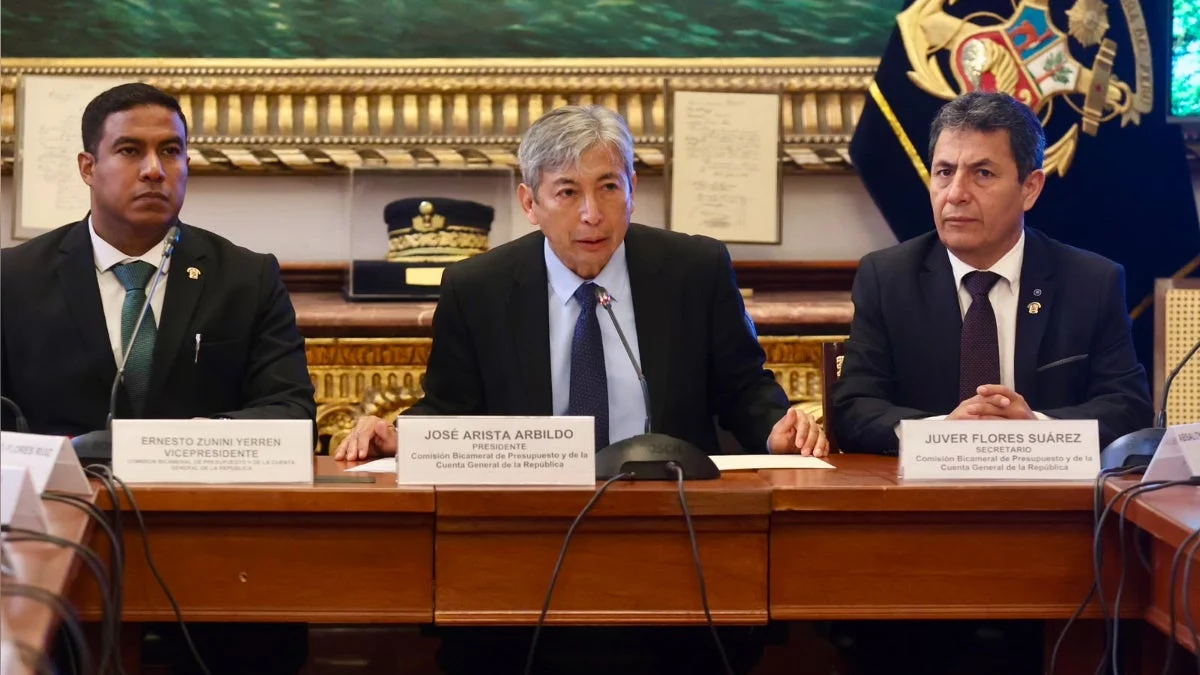
The leadership structure of the commission balances cross-party representation, reflecting a collaborative approach to fiscal management. Alongside Senator Arista, the bureau includes Deputy Ernesto Zunini Yerren (Juntos por el Perú) as Vice President and Senator Juver Flores Suarez (Partido del Buen Gobierno) as Secretary. The election process, facilitated by Senator Absalón Vásquez Villanueva (Renovación Popular), proceeded with a formal nominal vote, solidifying a mandate that prioritizes institutional stability.
A Legacy of Fiscal Pragmatism
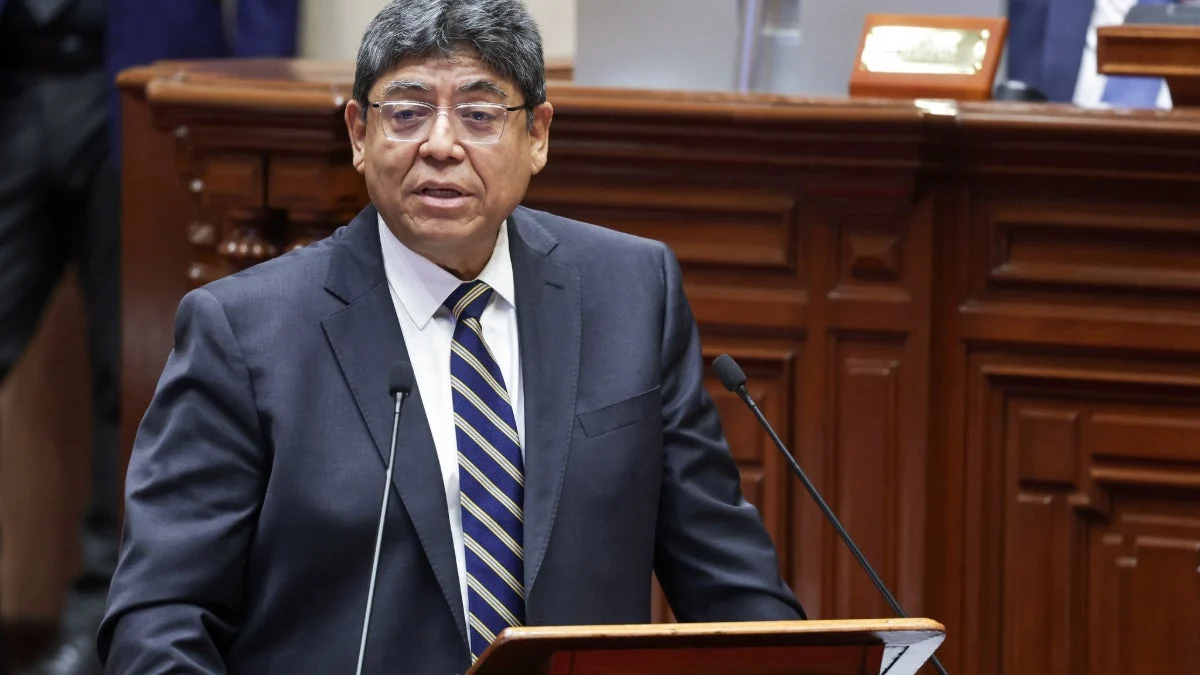
Upon accepting the presidency, Arista underscored the gravity of his new position. "The Budget Law constitutes the most important public policy tool for the allocation of resources," Arista stated. "Resources are finite, and the demands from every corner of the country are infinite. Every region demands infrastructure, and every project demands resources."
Arista’s perspective is informed by a long career in the public sector, dating back to the early 1990s when he served as the Director General of Budget. He recalls an era when the Bicameral Budget Commission was characterized by deep ideological debate followed by pragmatic, cross-party consensus. He has publicly pledged to revive this tradition, aiming to foster an environment where political differences are secondary to the technical imperative of national development.
The "Termites" of the Economy: Structural Risks
In a striking analytical metaphor, Arista identified several persistent threats to the efficient execution of the national budget, which he described as "termites" or "Pac-Men" that consume public resources, eroding the capacity for development. His diagnosis highlights three primary obstacles: climate vulnerability, systemic corruption, and the debilitating impact of insecurity.
Climate Resilience and the Lessons of History
Arista placed significant emphasis on the threat posed by natural phenomena, specifically the El Niño Southern Oscillation (ENSO). Drawing from the catastrophic losses recorded during the 1982-1983 cycle—which resulted in a contraction equivalent to roughly 11% of the national GDP—the Senator argued that the country’s current fiscal approach to disaster management is insufficient.
"Experience shows that prevention costs significantly less than reconstruction, and far less than the human tragedies that follow inaction," he noted. By advocating for proactive, institutionalized prevention measures, Arista signaled that the 2027 budget will likely prioritize investments in resilient infrastructure rather than relying on reactive emergency spending.
The Fiscal Burden of Corruption
The commission president also addressed the shadow cast by corruption on the nation’s balance sheet. Citing data from the Comptroller General of the Republic, Arista noted that corruption resulted in losses of approximately S/24 billion in 2023, a staggering 2.4% of the GDP. These "leaks" in the system are, according to the Senator, a direct affront to the taxpayers and a primary driver of the public’s loss of confidence in state institutions.
The Stagnation of Public Works
Compounding these issues are the thousands of public works currently paralyzed across the country. These projects represent "sunk costs" that tie up capital without delivering social benefits. Addressing these abandoned projects is expected to be a pillar of the commission’s work, as the goal is to shift from starting new projects to completing those already under construction, thereby maximizing the "multiplier effect" of public investment.
The Silent Crisis: The Economic Cost of Insecurity
One of the most profound elements of Arista’s inaugural address was his focus on public insecurity as a major macroeconomic variable. He argued that the rise in crime is not merely a social or political issue, but an economic one that acts as a tax on growth.
Arista estimates that the total cost of insecurity to the Peruvian economy is equivalent to 2.2% of the annual GDP, amounting to over S/26 billion. This figure encompasses more than just the direct expenditure on security services. It includes:
- Increased Operating Costs: Businesses forced to invest in private security, insurance, and protective measures.
- Reduced Private Investment: Investors, both domestic and foreign, postponing or cancelling projects due to the high-risk environment.
- Lost Productivity: The displacement of labor and the disruption of local economic activity in high-crime zones.
On a daily basis, the Senator estimates that the country loses approximately S/72 million to the impacts of insecurity. By framing crime as a budget-draining phenomenon, Arista is pushing for a more integrated approach that links the Ministry of Interior’s funding with broader economic stability goals.
Strategic Implications for the 2027 Fiscal Year
The election of José Arista signals a shift toward a "fiscal hawk" philosophy within the Budget Commission. His focus on efficiency, transparency, and the reduction of waste suggests that the 2027 budget will be subject to intense scrutiny regarding the efficacy of every allocated Sol.
A Return to Institutionalism
The emphasis on returning to the collaborative practices of the 1990s is not merely nostalgic; it is a strategic attempt to de-politicize the budget process. In a fragmented Congress, the commission’s ability to build a bridge between the executive branch’s proposals and the legislative branch’s oversight requirements will determine the speed and effectiveness of the 2027 economic rollout.
The Path Ahead
As the commission prepares to begin the debate on the draft law, stakeholders in the public and private sectors are watching closely. Key indicators of the commission’s success will include:
- Prioritization of "Quick Wins": Whether the commission will streamline the completion of existing, high-impact infrastructure projects.
- Budgetary Transparency: How the commission addresses the "leakage" points identified by the Comptroller General to restore public trust.
- Cross-Sectoral Cooperation: Whether the proposed focus on the economic costs of insecurity leads to a more robust, better-funded, and more effective national security strategy.
Conclusion: A Critical Juncture
The appointment of José Arista as the head of the Bicameral Budget Commission arrives at a time of immense challenge for Peru. With global economic headwinds and internal pressures regarding social spending and infrastructure, the role of the commission has never been more vital.
Arista’s vision is clear: the budget must cease to be a collection of isolated line items and instead function as a surgical tool for national development. By addressing the "termites" of corruption, insecurity, and climate vulnerability, the commission aims to ensure that the 2027 budget serves as a foundation for sustainable growth rather than a reflection of systemic dysfunction.
As the commission transitions from the election of its leadership to the substance of its work, the national gaze remains fixed on the legislative chamber. The success of this commission will not be measured by the size of the budget, but by the tangible impact of the resources on the lives of Peruvian citizens, proving that in the realm of public policy, wisdom in allocation is as important as the availability of capital itself.