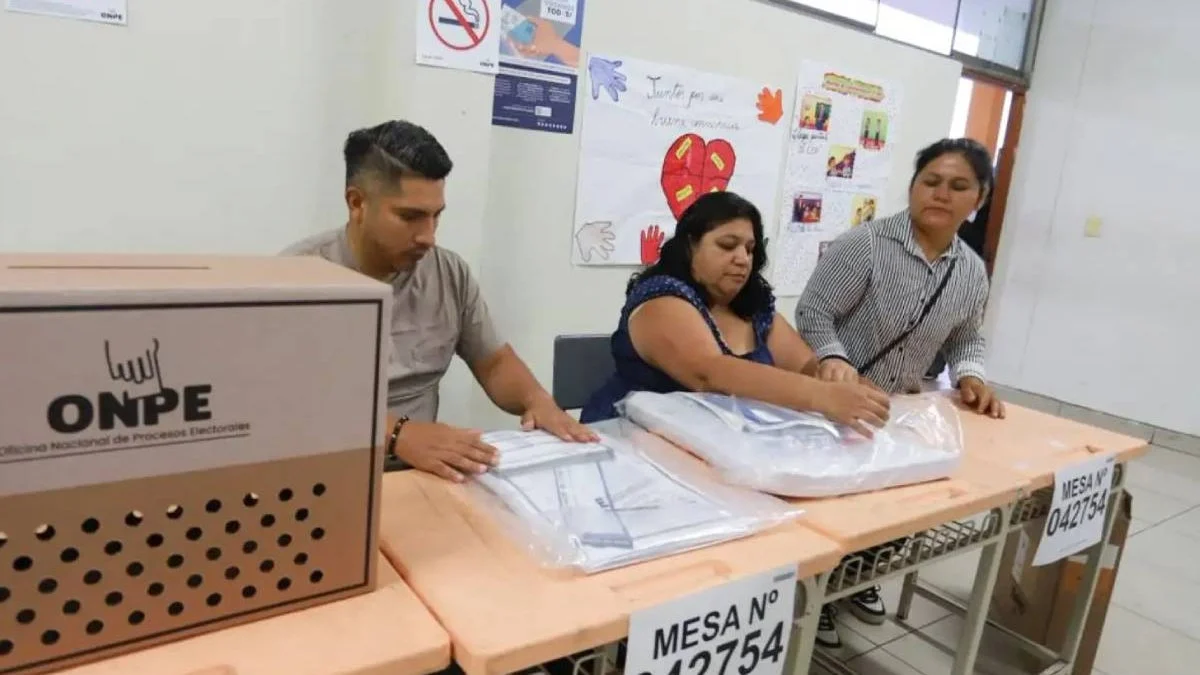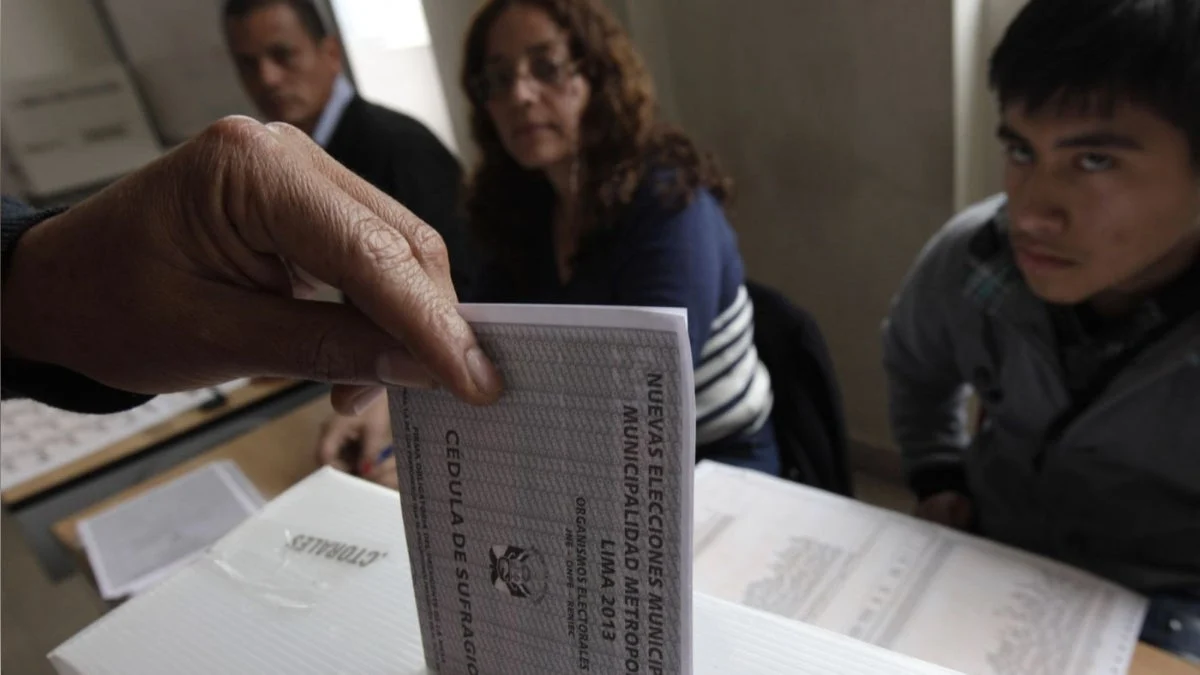
With just over thirty days remaining until the municipal elections scheduled for October 4, the political landscape of Lima Metropolitan is beginning to crystallize. In an exclusive release to RPP, the polling firm CPI has unveiled a comprehensive public opinion study that provides a granular look at voter intentions across eight key districts: Miraflores, La Molina, Los Olivos, Pueblo Libre, Santiago de Surco, San Borja, San Isidro, and San Martín de Porres.
As the campaign enters its final, decisive month, the data presents a complex mosaic: while some candidates have successfully consolidated their base, a significant portion of the electorate remains unpersuaded, signaling that the outcome of these races may hinge on last-minute campaign strategies and the ability of frontrunners to capture the undecided vote.
The Core Data: A Snapshot of the Race
The CPI study, conducted through face-to-face household interviews throughout August 2026, serves as a critical benchmark for the upcoming democratic exercise. The findings suggest that the 2026 municipal race is far from a settled matter, particularly in districts where indecision exceeds 30%.
Chronology of the Electoral Cycle
- Late July – Mid-August: CPI conducted fieldwork across eight strategic districts in Lima.
- Late August: Compilation and analysis of voter sentiment data.
- Early September: Presentation of findings to the public via RPP, setting the stage for the final weeks of the campaign.
- October 4, 2026: Scheduled date for the Municipal Elections.
District-by-District Analysis: The Fight for the Alcaldía
Miraflores: A Competitive Landscape
In the affluent district of Miraflores, the race is led by Alessio Cantella of Renovación Popular (20.0%), followed closely by former mayor Jorge Muñoz of Avanza País (16.6%). Alexander Von Ehren (Somos Perú) trails with 15.3%. With 23.3% of voters remaining undecided, the race remains highly fluid.
La Molina: Somos Perú Takes the Lead
Juan Carlos Zurek (Somos Perú) currently holds a comfortable lead with 21.7%, while Sergio Castromonte sits at 16.6%. With a staggering 31.1% of the population undecided, the district remains a major battleground for the remaining weeks of the campaign.
Los Olivos: A Strong Showing for Avanza País
Felipe Castillo Alfaro (Avanza País) dominates the polls in Los Olivos with 26.1%. His closest rival, Erick Melchor, lags behind at 10.6%. Despite the clear frontrunner, 28.4% of the electorate has yet to declare their preference.
Pueblo Libre: The High Indecision Hurdle
Jhonel Leguía (Somos Perú) leads with 24.8%, while Cecilia Acosta maintains 13.6%. However, Pueblo Libre represents one of the most unpredictable districts, with a massive 35.6% of residents still undecided.
Santiago de Surco: Solidifying a Base
Arturo Bobbio (Somos Perú) has secured a significant lead with 30.6%, followed by Juan Palma (Renovación Popular) at 22.6%. With 19.1% undecided, this district shows a more defined political preference compared to others.
San Borja: Renovación Popular’s Strength
Javier Diez (Renovación Popular) leads with 26.7%, followed by Alberto Tejada (Acción Popular) at 14.7% and Gina Casanova (Somos Perú) at 12.3%. The 23.7% undecided rate keeps the pressure on all campaigns.
San Isidro: The Capital of Indecision
In San Isidro, Javier Paino (Renovación Popular) holds the top spot with 17.30%, but the headline figure is the 44.70% of residents who have yet to decide, making it the most volatile district in the survey.
San Martín de Porres: Fragmented Preferences
Peter Jaime (Renovación Popular) leads with 15.3%, followed by Adolfo Mattos (Avanza País) at 10.5%. The high level of indecision (34.2%) suggests that the race in this heavily populated district is wide open.
Technical Rigor: Ensuring Accuracy
CPI’s methodology relies on direct, face-to-face interaction, which is considered the gold standard for accuracy in the Peruvian electoral context. By visiting households, the firm captures sentiment that phone or digital surveys might miss.
| District | Sample Size | Margin of Error | Confidence Level |
|---|---|---|---|
| Miraflores | 300 | 5.7% | 95.5% |
| La Molina | 350 | 5.2% | 95.5% |
| Los Olivos | 400 | 4.9% | 95.5% |
| Pueblo Libre | 250 | 6.2% | 95.5% |
| Surco | 350 | 5.2% | 95.5% |
| San Borja | 300 | 5.7% | 95.5% |
| San Isidro | 300 | 5.7% | 95.5% |
| SMP | 400 | 4.9% | 95.5% |
Official Responses and Political Implications
The release of these figures has triggered immediate reactions from political parties. While frontrunners are using the data to project momentum and "vote of confidence," trailing candidates are emphasizing the high "undecided" and "blank/spoiled" segments as evidence that the game is still on.
Political analysts suggest that the high levels of indecision reflect a disconnect between the electorate and traditional campaign rhetoric. In districts like San Isidro and Pueblo Libre, where indecision is near or above 40%, candidates are shifting their focus to granular, local issues—such as security, waste management, and traffic—to sway voters who feel disenfranchised or simply uninterested in party labels.
The "Undecided" Factor
The "undecided" block is effectively the largest candidate in several districts. For those in the second or third position, the path to victory relies on:
- Micro-targeting: Focusing resources on neighborhoods that showed higher levels of uncertainty during the survey.
- Debate Performance: With the official JNE debates commencing on September 13, candidates have a platform to convert the undecided block.
- Grassroots Activation: Moving from digital platforms to face-to-face engagement, mirroring the methodology of the CPI study itself.
Future Outlook: The Final Stretch
As October 4 approaches, the electoral atmosphere in Lima is expected to intensify. The role of the media, including the exclusive coverage by RPP, is vital in disseminating this data, which allows citizens to make informed decisions.
The concentration of support for candidates like Arturo Bobbio in Surco and Felipe Castillo in Los Olivos demonstrates that, in some areas, the electorate is prioritizing candidate recognition over party platform. Conversely, the success of Renovación Popular in multiple districts suggests a cohesive party strategy that is resonating across diverse socio-economic strata.
However, the cautionary tale for all parties is the volatility of the urban voter. With margins of error hovering between 4.9% and 6.2%, several races—particularly in Miraflores and San Borja—remain within the statistical dead heat zone.
The next thirty days will be a test of resilience. For the candidates, the challenge is to move beyond the base and convince the massive block of undecided voters that their local administration will offer tangible improvements to the quality of life in their respective districts. For the voters of Lima, the coming weeks represent a crucial opportunity to define the municipal future of the capital for the next four years.