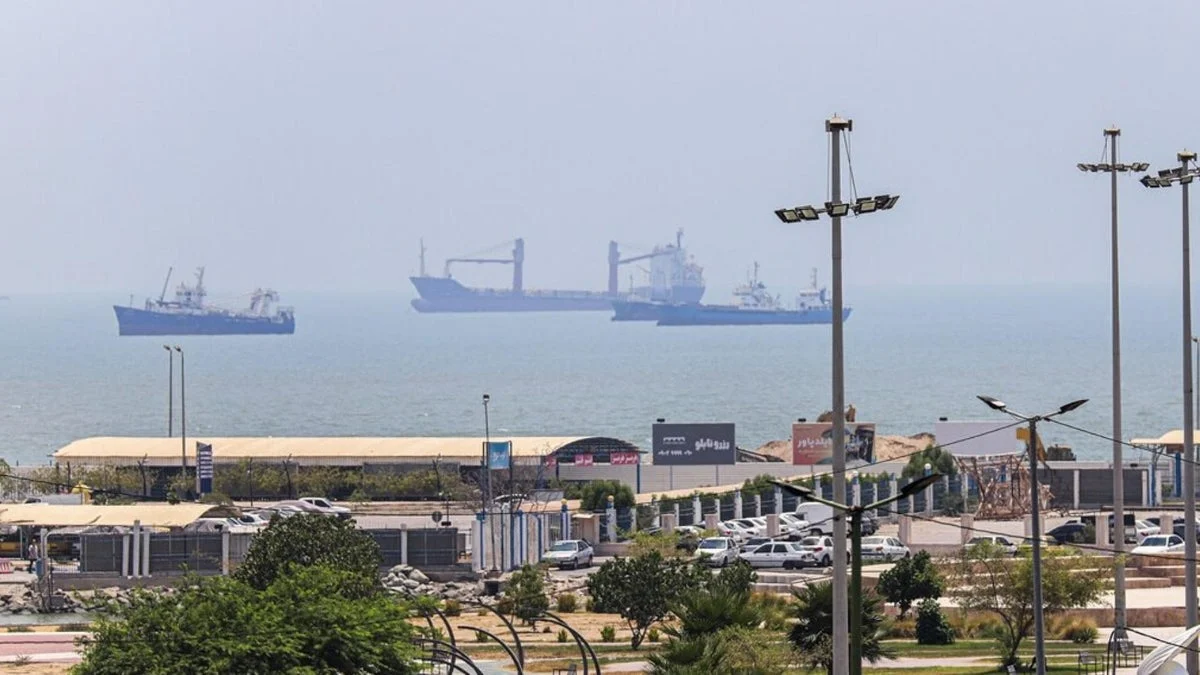
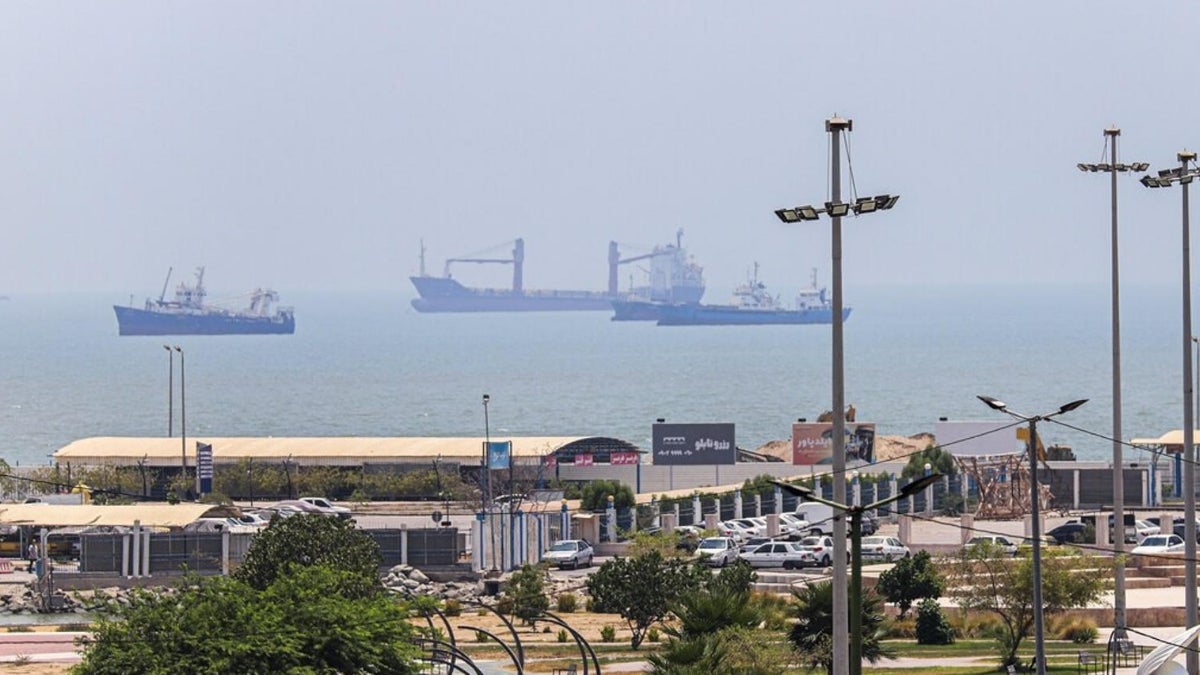
In a move signaling a seismic shift in its geopolitical and economic strategy, the Japanese government has unveiled a comprehensive, multi-layered plan to overhaul its energy procurement architecture. Faced with the escalating volatility surrounding the Strait of Hormuz—a maritime chokepoint through which approximately 20% of the world’s petroleum flowed prior to the current conflict between the United States, Israel, and Iran—Tokyo is aggressively seeking to diversify its energy sources and fortify its economic security.
The strategy, spearheaded by the Ministry of Economy, Trade, and Industry (METI), represents more than a mere tactical adjustment; it is a fundamental re-evaluation of Japan’s survival in an increasingly fragmented global energy market.
The Strategic Imperative: Why the Strait of Hormuz Matters
The Strait of Hormuz is not merely a shipping lane; it is the jugular vein of the global economy. For Japan, an island nation with negligible domestic fossil fuel reserves, the strait has historically been the primary conduit for its survival. Importing approximately 90% of its crude oil from the Middle East, Japan has long existed in a state of high vulnerability, acutely aware that any disruption in this narrow channel—only 21 miles wide at its narrowest point—could cripple its industrial base within weeks.
The current geopolitical climate has turned this vulnerability into an existential crisis. As tensions between the Washington-Tel Aviv axis and Tehran have intensified, the threat of the strait being closed or becoming a "no-go zone" for commercial tankers has shifted from a hypothetical scenario to a looming reality.
Chronology of the Crisis and Response
The current energy insecurity did not materialize overnight. The following timeline tracks the escalation of the crisis and Japan’s subsequent reactive and proactive measures:
- Pre-Conflict Status Quo: Japan maintained a stable, albeit high-dependency, relationship with Gulf producers, relying on the predictable flow of oil through the Strait of Hormuz.
- Initial Escalation: As tensions between Iran and the U.S.-Israel coalition began to destabilize the region, tanker insurance premiums spiked, and logistical costs began to climb.
- The "Supply Shock" Phase: As the threat of total blockage loomed, Japanese manufacturers—particularly in the petrochemical sector—began reporting shortages of naphtha, a critical precursor for plastics and packaging.
- Strategic Reserve Release: Recognizing the immediate risk, the Japanese government authorized the release of millions of barrels from its national strategic petroleum reserves to stabilize domestic prices and supply chains.
- The Policy Shift (Current): METI, in coordination with the Japan Oil, Gas and Metals National Corporation (JOGMEC), announced a long-term roadmap to bypass the strait entirely by investing in alternative pipelines and diversifying source geography.
The New Energy Architecture: Diversification and Subsidies
The core of Tokyo’s new energy plan rests on two pillars: geographical diversification and infrastructure investment.
Reducing Reliance on the Strait
According to reports from the economic daily Nikkei, the government is rolling out a sophisticated subsidy program. This initiative incentivizes companies to procure crude oil and naphtha through routes that avoid the Strait of Hormuz. By offsetting the additional logistical costs associated with longer shipping routes or land-based pipeline transport, the government aims to make non-Hormuz oil commercially viable for private sector players.
Strategic Infrastructure Investment
The plan, managed under the auspices of JOGMEC, includes undisclosed amounts of financial aid designated for the construction of pipelines in the Middle East. By funding pipelines that connect oil fields to ports outside the Persian Gulf—such as the Port of Fujairah in the United Arab Emirates or the Port of Yanbu in Saudi Arabia—Japan is essentially "buying" a safety net. These ports allow tankers to load oil from the Gulf of Oman or the Red Sea, bypassing the potentially volatile bottleneck of Hormuz.
Expanding the Portfolio
Beyond regional infrastructure, Tokyo is looking further afield. The government is actively exploring and securing long-term supply agreements with non-Middle Eastern producers, including the United States, Algeria, and Peru. This "globalization" of supply chains is intended to ensure that, in the event of a total shutdown of the Middle Eastern theater, Japan can maintain a baseline of industrial output.
Official Responses and Ministerial Outlook
The urgency of the situation was underscored by Minister of Economy, Trade, and Industry, Ryosei Akazawa. During a recent press conference, Akazawa was blunt about the necessity of the transition:
"It is evident that, to strengthen our national energy security, we must reduce our reliance on the Strait of Hormuz. This is no longer a matter of economic preference; it is a fundamental requirement for the continuity of our national economy."
The Minister’s comments reflect a growing consensus within the Japanese Diet that the status quo is untenable. The government is not merely reacting to market pressures but is actively shaping a new energy paradigm where "resilience" is prioritized over "efficiency."
Economic and Industrial Implications
The implications of this policy shift are far-reaching.
The Naphtha Crisis
Perhaps the most immediate impact of the instability has been on the petrochemical industry. Naphtha, derived from crude oil, is the bedrock of Japan’s massive plastics and packaging sectors. The recent shortages have caused significant operational disruptions, leading to increased costs for manufacturers and, ultimately, inflationary pressure for Japanese consumers. By specifically targeting naphtha in their subsidy and storage expansion plans, the government is attempting to stabilize the supply chain for these essential industrial materials.
Long-Term Economic Security
The cost of this pivot is immense. Subsidizing transport routes and investing in foreign infrastructure requires significant public expenditure. However, the Japanese government calculates that the cost of inaction—a potential total paralysis of its industrial economy—would be far higher. By diversifying its energy mix, Japan is also insulating itself against future geopolitical shocks, potentially gaining leverage in future energy negotiations.
Conclusion: A New Chapter in Japanese Foreign Policy
Japan’s decision to move away from its dependence on the Strait of Hormuz marks a significant departure from its post-war economic strategy, which was characterized by an reliance on cheap, reliable Middle Eastern energy. The modern reality of the 21st century, defined by volatile power struggles and the weaponization of trade routes, has forced Tokyo to become a more proactive architect of its own destiny.
As Japan builds these new pipelines and secures new supply partners, it is not just shifting its energy policy—it is signaling a broader geopolitical maturation. In an era of uncertainty, Tokyo has chosen to prioritize the hardening of its supply chains, ensuring that even as the world around the Strait of Hormuz remains in flux, the heartbeat of the Japanese economy continues to pulse, fueled by a more resilient, diversified, and secure energy future.
The success of this plan will depend on the government’s ability to navigate the complex diplomatic waters of the Middle East, maintaining strong ties with traditional producers while simultaneously hedging against the inherent risks of a region prone to conflict. As the world watches, Japan’s "Energy Pivot" stands as a case study in how a major economic power manages the transition from dependence to strategic autonomy.