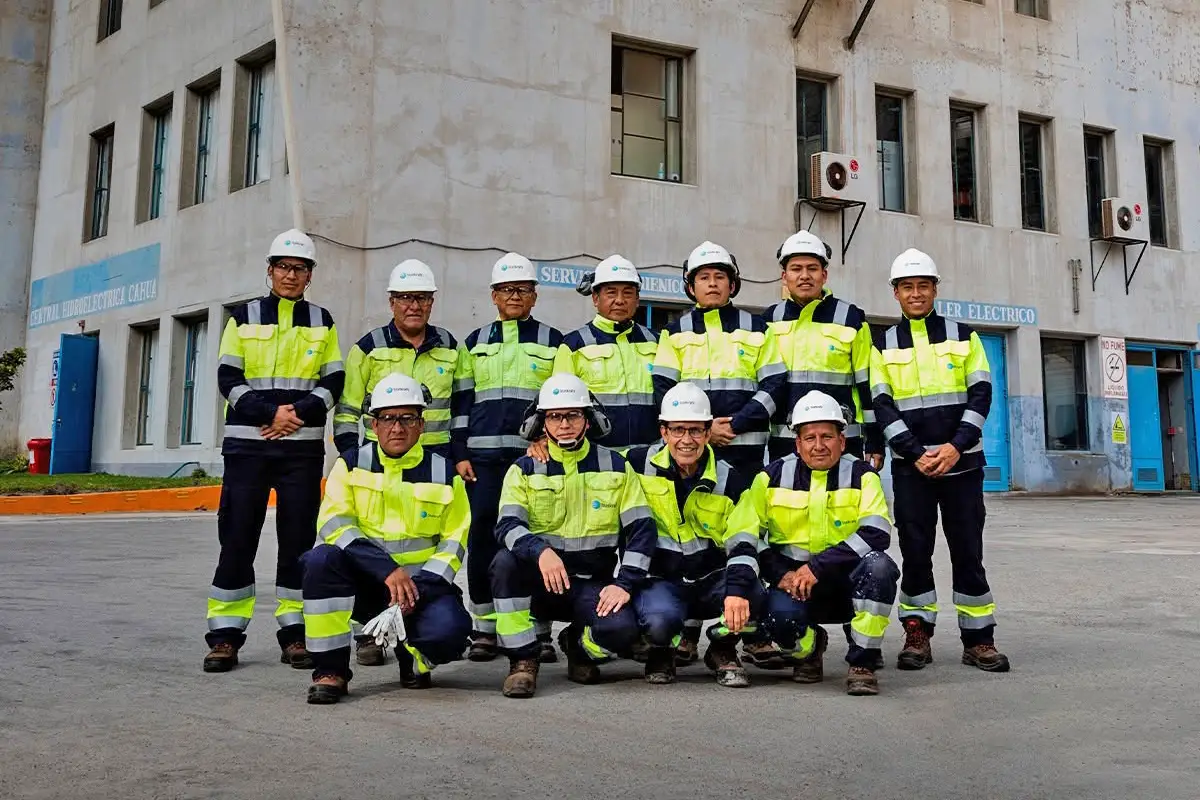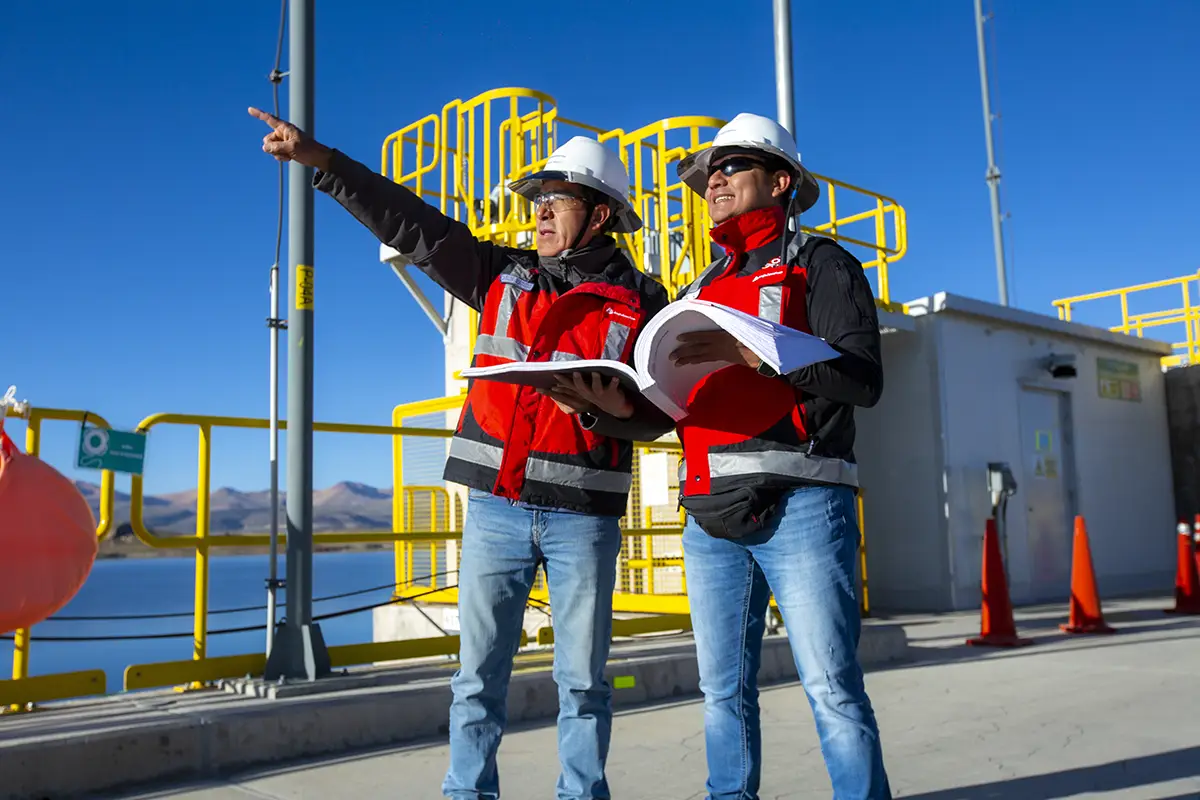
Moquegua, Peru – January 15, 2026 – In a significant testament to its commitment to sustainable and responsible mining practices, Anglo American’s Quellaveco copper mine, located in the Moquegua region of Peru, concluded 2025 without any social incidents that led to operational shutdowns. This remarkable achievement was further bolstered in July of the same year by the attainment of the international certification, The Copper Mark, which validates its high standards for responsible production and recognizes robust traceability through a chain of custody.
The dual accomplishments were formally announced during the inaugural International Encounter on Social and Sustainability Management (GESS 2026), an event meticulously organized by the Institute of Mining Engineers of Peru (IIMP). At this prominent gathering, Anglo American Quellaveco presented its innovative social management model to a distinguished audience of industry representatives and government officials, highlighting its forward-thinking approach to community engagement and operational integrity.
Quellaveco’s Strategic Pillars for Social Harmony and Operational Resilience
Magno Quispe, Social Management Manager at Anglo American Quellaveco, articulated the core principles driving these successes. He emphasized that the mine’s operational continuity and positive community relations are rooted in a proactive policy that places a premium on direct dialogue, unwavering transparency in commitments, and the deliberate creation of shared value.
"Our area of influence extends across the entire Moquegua region, and our model is fundamentally built upon anticipation and collaborative risk management," Quispe stated. "We maintain a keen focus on fostering local employment and prioritizing local suppliers, ensuring that the benefits of our operations are deeply integrated into the regional economy." This integrated approach underscores a departure from traditional mining engagement, prioritizing long-term partnerships over short-term transactional relationships.
A Decade of Dialogue: The FCP Community Case Study
A compelling illustration of Quellaveco’s successful engagement is its evolving relationship with the FCP Andean community. The journey began in 2008 when the company acquired 3,500 hectares of land following years of intricate negotiations. This acquisition was accompanied by a social agreement that included provisions for infrastructure development and crucial training programs for community members.
However, a decade later, the community had witnessed significant demographic growth, increasing from 170 to over 400 members. This expansion brought with it renewed demands, including a request to renegotiate the existing agreement with stipulations for an annual fund of $100 million and direct employment for community members. Quispe acknowledged the challenging nature of these demands, noting, "Accepting those conditions would have irrevocably compromised the operational viability of the mine."
Navigating Conflict: The Power of Bilateral Dialogue and Principled Engagement
Faced with escalating pressure, Anglo American adopted a strategy of bilateral dialogue with the community’s board of directors. This approach proved instrumental in establishing five foundational principles that would guide their interactions moving forward:
- Respect and Fulfillment of Commitments: A commitment to honoring all agreed-upon terms and exceeding expectations where possible.
- Participation in Uses and Customs: Integrating and respecting the community’s traditional practices and cultural norms into the operational framework.
- Shared Value Creation: Ensuring that the mine’s operations generate tangible and equitable benefits for the community.
- Honesty and Humility in Treatment: Fostering an environment of open, sincere, and respectful communication.
- Horizontal Dialogue: Establishing communication channels that are equitable and encourage mutual understanding.
This principled approach yielded remarkable results. For the past decade, Quellaveco has operated without experiencing blockades, a rare and significant achievement within the often-turbulent landscape of Peruvian mining. This sustained period of social stability is a direct consequence of the trust and understanding fostered through consistent, respectful engagement.
The Copper Mark: A Global Seal of Responsible Mining
In July 2026, Quellaveco’s commitment to excellence was further recognized with the prestigious Copper Mark certification. This international accreditation serves as a powerful endorsement of the mine’s responsible practices and its ability to demonstrate the traceability of its copper from its point of origin to the global market.
The Copper Mark is widely regarded as one of the most stringent standards within the international mining industry. Its rigorous evaluation process assesses a mine’s adherence to a comprehensive set of environmental, social, and governance (ESG) criteria. By achieving this certification, Quellaveco has firmly established itself as a benchmark for responsible mining operations, signaling its dedication to sustainable development and ethical business conduct. This recognition not only enhances the mine’s reputation but also provides assurance to customers and stakeholders worldwide about the integrity of its copper supply chain.

Contrasting Realities: The Bambas Mine and its Evolving Social Strategy
While Quellaveco celebrates its social stability, the situation at the Las Bambas mine, operated by MMG in Cotabambas (Apurímac), presents a starkly different narrative, characterized by significant social conflict but also by remarkable adaptation and a relentless pursuit of innovative solutions.
Jimmy Venero, Superintendent of Strategy and Integration at Las Bambas, provided a sobering overview of the challenges. Between 2018 and 2022, the mine endured an average of 100 days of operational blockades per year. The impact of these disruptions was particularly severe in 2022, when a two-month cessation of operations, triggered by a communal land invasion, halved production and had a considerable ripple effect on regional economic growth.
A Transformative Shift: Reimagining Social Management at Las Bambas
These recurrent crises served as a powerful catalyst for change at Las Bambas. The company recognized the urgent need to fundamentally transform its approach to social management and to strengthen its dialogue processes. Following the profound disruption of 2022, the social management strategy underwent a comprehensive overhaul.
A critical shift involved decentralizing the social management function, moving away from a siloed approach to one that actively integrated all areas of the organization. This fundamental change fostered improved internal coordination and enabled a more agile and effective response to the evolving expectations and needs of the local communities. The realization that social issues are not solely the purview of a dedicated department but are intrinsically linked to all facets of operations proved to be a pivotal moment.
The "Heart of Bambas" Model: Fostering Multisectoral Collaboration
As a direct outcome of this transformative process, Las Bambas has successfully implemented its innovative "Corazón de Bambas" (Heart of Bambas) model. This comprehensive framework prioritizes several key areas:

- Multisectoral Relationship Building: Actively engaging with a diverse range of stakeholders, including government agencies, NGOs, and community leaders, to foster collaborative solutions.
- Social and Territorial Development: Investing in projects that directly address the social and economic needs of the region, promoting sustainable development and improving the quality of life for residents.
- Promotion of Local Employment and Suppliers: Implementing policies and programs designed to maximize employment opportunities for local residents and support the growth of local businesses.
- Optimization of Internal Processes: Streamlining internal operations to ensure greater efficiency and responsiveness to community concerns.
Venero highlighted the crucial importance of aligning social investment initiatives with official state indicators and strengthening collaboration with governmental bodies. This strategic alignment aims to drive more sustainable and balanced development within the Apurímac region. The "Corazón de Bambas" model represents a significant step towards a more integrated and community-centric approach to mining, acknowledging that long-term success is inextricably linked to the well-being and prosperity of the surrounding communities.
The Broader Implications for Peru’s Mining Sector
The contrasting yet complementary experiences of Quellaveco and Las Bambas offer valuable insights into the evolving landscape of social management within Peru’s vital mining sector. Quellaveco’s success underscores the power of consistent, principle-based dialogue and proactive engagement in fostering social stability. The Copper Mark certification further solidifies its position as a leader in responsible production, setting a high bar for industry peers.
Conversely, Las Bambas demonstrates that even in the face of significant conflict, a willingness to adapt, innovate, and fundamentally rethink social engagement strategies can lead to positive transformation. The "Corazón de Bambas" model exemplifies a proactive and holistic approach that prioritizes genuine partnership and shared prosperity.
Both cases highlight a growing imperative for mining companies operating in Peru to move beyond mere compliance and embrace a philosophy of shared value creation. The success of these operations hinges not only on efficient resource extraction but also on their ability to build and maintain strong, trusting relationships with the communities that host them. As Peru continues to rely on its rich mineral resources for economic growth, the lessons learned from Quellaveco and Las Bambas will be crucial in shaping a more sustainable, equitable, and socially responsible future for the nation’s mining industry. The ongoing dialogue and the pursuit of certifications like The Copper Mark signal a positive trajectory towards greater transparency and accountability, ensuring that the benefits of mining are more broadly shared and that operations are conducted with the utmost respect for both people and the environment.