In a significant milestone for the Peruvian economy, the Ministry of Economy and Finance (MEF) has confirmed that private investment experienced a robust expansion of 17.6% during the second quarter of 2026. This figure marks the highest growth rate observed since 2010—excluding the volatile post-pandemic rebound period—and serves as the latest evidence of a sustained, structural recovery for the Andean nation.
The performance during the April-June period was not an isolated event but rather the culmination of ten consecutive quarters of growth, signaling that Peru’s macroeconomic foundations are increasingly resilient. This momentum has effectively permeated the broader economic landscape, fueling a 5.2% expansion in domestic demand and reinforcing optimism among both domestic and international stakeholders.
The Core Data: A Decade-High Expansion
The 17.6% growth rate in private investment is a critical indicator of renewed business confidence and capital deployment. According to the MEF, this trajectory is underpinned by a notable surge in non-residential investment—specifically, the acquisition of capital goods essential for the production of goods and services.
This capital expenditure has been driven primarily by the mining sector, a traditional engine of the Peruvian economy. The sector saw a 42.8% nominal increase in investment, bolstered by the advancement of major projects such as Tía María, the Reposición Ferrobamba, and the Romina project. Furthermore, sustained investments by industry stalwarts like Antamina, Shougang, and Antapaccay have provided a steady floor for this growth, ensuring that the mining pipeline remains active and productive.
Chronology of Recovery: A Decade of Resilience
The current economic climate is the result of a deliberate, two-and-a-half-year period of fiscal management and market stabilization.

- 2024 (Early Recovery): Following a period of global inflationary pressures and internal social disruptions, the Peruvian government initiated a series of regulatory reforms designed to streamline permit processes and reduce "red tape" for major infrastructure and mining projects.
- 2025 (Consolidation): The first half of 2025 saw the initial signs of stability, with private investment shifting from a negative growth trend to a neutral, then positive trajectory. This period was marked by the strengthening of commodity prices and the gradual easing of monetary policy by the Central Reserve Bank of Peru (BCR).
- 2026 (The Growth Surge): By the start of 2026, the cumulative effects of previous structural reforms began to materialize. The first quarter saw moderate growth, but the second quarter—the period currently under analysis—exhibited a "breakout" performance, confirming that the economy had entered a cycle of high-impact expansion.
Supporting Data: Consumption and the Labor Market
While investment acts as the primary catalyst, the health of the Peruvian economy is also reflected in the resilience of its consumer base. Consumption grew by 3.7% in the second quarter of 2026, marking the eleventh consecutive period of expansion. This consumer confidence is rooted in three fundamental pillars:
- Labor Formalization: Formal employment on payrolls increased by 4.1%, providing a broader base of social security and financial stability for the working population.
- Income Growth: Real incomes within the formal sector rose by 4.3%, allowing families to better absorb inflationary impacts and increase discretionary spending.
- Credit Accessibility: Consumption credit expanded by 10.6%, suggesting that financial institutions have regained confidence in the repayment capacity of the Peruvian middle class.
These figures illustrate a symbiotic relationship between corporate investment and household consumption. As companies expand their operations—particularly in the mining and infrastructure sectors—they create high-quality jobs, which in turn drive domestic demand.
Official Responses and Business Confidence
The Ministry of Economy and Finance has been quick to frame these results as proof of a "solid and resilient" economic model. Government spokespeople have emphasized that the current conditions are ripe for long-term growth, citing the government’s commitment to fiscal discipline and the ongoing promotion of private-public partnerships (PPPs).
The optimism is mirrored in the private sector. The Central Reserve Bank of Peru (BCR) recently reported that all 12 major business expectations indicators remained firmly in the "optimistic" range throughout July 2026. This marks the second consecutive month of total consensus among business leaders regarding the positive outlook for the economy. For investors, this represents a major shift from the uncertainty that clouded the business environment in previous years.
Broader Implications: What Lies Ahead for Peru?
The current economic data suggests that Peru is entering a phase of sustained development, yet the challenge remains to maintain this momentum. The implications of this growth are profound:

1. Attraction of Foreign Direct Investment (FDI)
With project pipelines for Tía María and other mining operations now in full swing, Peru is once again becoming a destination of choice for global mining conglomerates. The stability shown in the second quarter provides the necessary assurance for international capital to flow into the country for the remainder of the decade.
2. Infrastructure and Urban Development
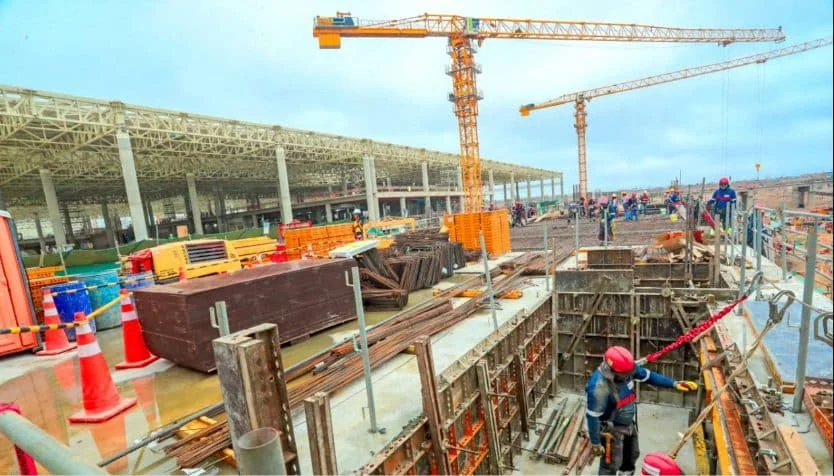
The 5.2% growth in domestic demand is not solely restricted to consumer goods; it implies a robust need for infrastructure. As the private sector invests more, the demand for improved energy, logistics, and transportation networks increases. This creates a secondary market for construction and engineering firms, effectively creating a "multiplier effect" across the economy.
3. Monetary Policy and Inflation
The BCR’s focus on maintaining inflation within its target range has paid dividends. By managing interest rates effectively, the central bank has allowed credit for consumption and investment to grow without triggering an overheating of the economy. If the current trend continues, the BCR may consider further easing of monetary policies, which would act as an additional stimulus for private sector expansion.
4. Social Stability and Poverty Reduction
Perhaps the most significant implication of the 4.1% growth in formal employment is the potential for poverty reduction. By integrating more citizens into the formal economy, the government is not only increasing its tax base but also expanding the reach of social protections. This creates a virtuous cycle where economic growth directly contributes to improved living standards.
Conclusion: A Turning Point
The figures for the second quarter of 2026 indicate that Peru has successfully navigated a period of global economic uncertainty and emerged stronger. The combination of a 17.6% surge in private investment and a 3.7% rise in private consumption paints a picture of a nation that is firing on all cylinders.

While external factors—such as global commodity prices and geopolitical stability—will always play a role in a resource-dependent economy like Peru’s, the domestic indicators suggest that the country has built a buffer of resilience. If the current trajectory holds, the next several quarters could prove to be the most prosperous in the country’s recent history, cementing Peru’s position as a key leader in the Latin American economic landscape.
As the government continues to work toward the implementation of major infrastructure projects and the simplification of the business regulatory environment, the outlook remains overwhelmingly positive. The message from the market is clear: Peru is open for business, and the growth recorded in 2026 is only the beginning of a larger cycle of economic advancement.