Market Update: The State of the Peruvian Sol
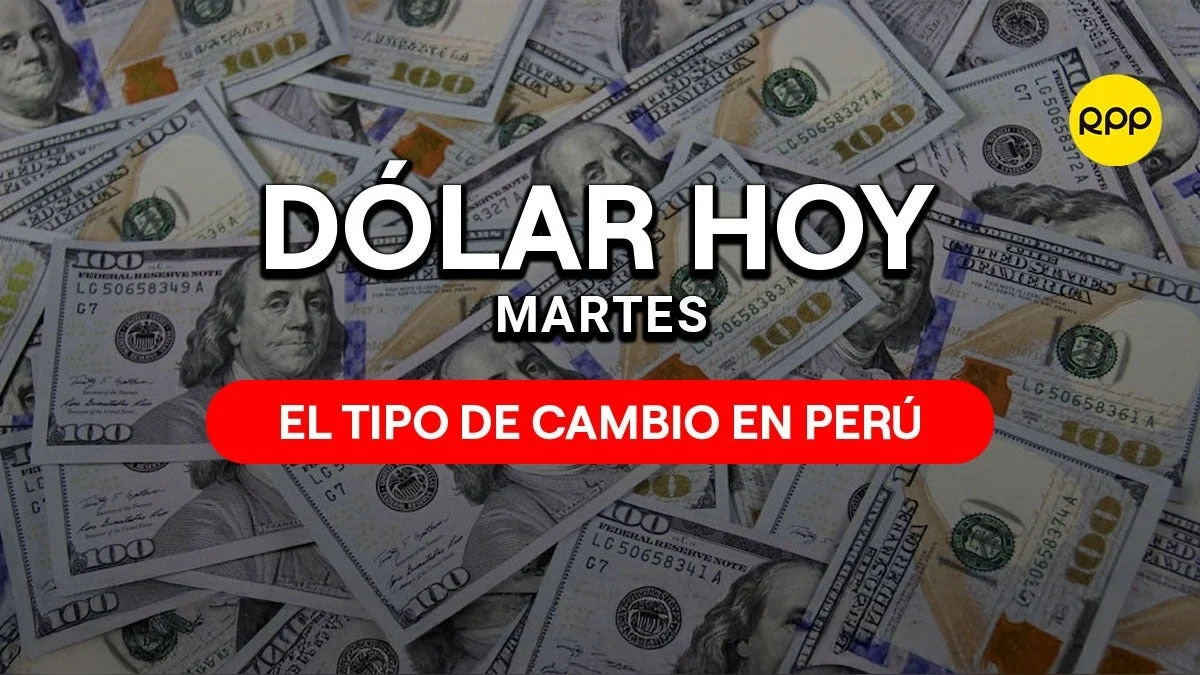
For this Tuesday, August 25, the exchange rate in Peru stands at S/3.35 per U.S. dollar, according to data provided by the Central Reserve Bank of Peru (BCRP). This figure serves as a crucial barometer for the nation’s financial health, reflecting the ongoing interplay between the domestic currency and the world’s primary reserve asset. For investors, businesses, and everyday citizens, this rate is not merely a number but a vital indicator of purchasing power, import costs, and the overall stability of the national economy.
While the BCRP provides the official reference, the actual market experience for the average Peruvian often involves slight variations found in banking institutions and the informal "street" exchange market. Understanding why this specific value is reached requires a deep dive into the mechanics of the foreign exchange market and the macroeconomic pressures currently influencing Peru.
The Mechanics of Fluctuation: Why the Dollar Moves
The value of the U.S. dollar relative to the Peruvian sol is far from static; it is a living, breathing entity governed by the foundational principles of supply and demand. In a floating exchange rate regime—the system adopted by Peru—the price of the dollar is determined by the volume of buying and selling in the interbank market.
The Dynamics of Supply and Demand
When demand for the dollar surges, the price naturally rises. This demand typically originates from several sources:
- Corporate Hedging: Importers needing dollars to pay for foreign goods and services.
- Investor Sentiment: Foreign investors seeking to repatriate profits or move capital to "safe-haven" assets during periods of global uncertainty.
- Retail Behavior: Individuals purchasing dollars to protect their savings against perceived inflationary risks or domestic instability.
Conversely, the price drops when there is a surplus of dollars. This occurs when exports are strong—as is often the case with Peru’s mining sector—or when foreign direct investment flows into the country, necessitating the conversion of dollars into soles to cover local operational costs.
Chronology: The Evolution of the Peruvian Exchange Market
To understand the current rate, one must look at the historical trajectory of the Peruvian economy. Over the last three decades, Peru has transitioned from a period of hyperinflation and extreme volatility in the late 1980s to a regime of monetary stability characterized by the independence of the Central Reserve Bank.
The Post-Stabilization Era
Following the reforms of the 1990s, the BCRP established a framework focused on inflation targeting. This allowed the sol to become one of the most resilient currencies in Latin America. Throughout the 2000s and 2010s, the exchange rate remained relatively contained, even amidst global crises like the 2008 financial meltdown.
Recent Volatility
In recent years, the exchange rate has faced mounting pressure from a confluence of factors:
- The Pandemic Shock (2020): A sudden, massive withdrawal of capital from emerging markets led to a spike in the dollar.
- Political Uncertainty (2021-2023): Fluctuations in the political landscape have periodically shaken investor confidence, causing the sol to weaken as capital flight occurred.
- Global Monetary Tightening: As the U.S. Federal Reserve raised interest rates to combat post-pandemic inflation, the "strength of the dollar" phenomenon drew capital away from emerging markets, forcing the BCRP to intervene periodically to prevent excessive volatility.
Supporting Data: Macroeconomic Drivers
The exchange rate does not operate in a vacuum. It is heavily influenced by a set of "macroeconomic fundamentals" that define the attractiveness of the Peruvian economy.
1. Interest Rate Differentials
The difference between the BCRP’s interest rate and the U.S. Federal Reserve’s federal funds rate is a primary driver of currency value. When the BCRP maintains competitive rates, it encourages investors to hold assets in soles. However, if the U.S. Fed keeps rates high, the "carry trade"—investing in higher-yielding currencies—often shifts back toward the dollar.
2. Commodity Prices and the Trade Balance
Peru is a commodity-dependent economy, with copper being its primary export. When global copper prices rise, mining companies bring more dollars into Peru, increasing the supply of foreign currency and strengthening the sol. Conversely, a slump in global commodity demand exerts downward pressure on the sol.
3. Inflationary Pressures
Persistent inflation within Peru can erode the purchasing power of the sol. If the inflation rate in Peru significantly outpaces that of the United States, the currency will eventually devalue to reach a new purchasing power parity equilibrium.
Official Responses: The Role of the Central Reserve Bank
The Central Reserve Bank of Peru (BCRP) plays a pivotal role as the guardian of monetary stability. Under the leadership of its governing board, the BCRP employs several tools to manage the exchange rate:
- Sterilized Intervention: The BCRP does not fix the exchange rate; rather, it intervenes to reduce "excessive volatility." By buying or selling dollars in the market, the BCRP acts as a stabilizer, smoothing out sharp spikes or drops that could hurt the economy.
- Interest Rate Adjustments: By raising or lowering the reference interest rate, the BCRP influences the cost of credit and, by extension, the demand for the local currency.
- Communication Policy: The BCRP’s transparent communication regarding its inflation targets and its commitment to fiscal discipline helps anchor market expectations, preventing speculative runs on the currency.
Implications: How the Exchange Rate Affects You
For the average citizen and the business owner, the fluctuation of the dollar has tangible, daily impacts.
For the Importer and Consumer
A weaker sol makes imported goods more expensive. This includes everything from consumer electronics and vehicles to basic inputs for local manufacturing. When the exchange rate rises, inflationary pressure is imported into the country, often leading to higher prices at the supermarket.
For the Investor and Saver
For those who hold savings in dollars, a rising exchange rate represents an increase in purchasing power within the domestic economy. However, for those with debt denominated in dollars—a common practice in mortgages or business loans—a rising exchange rate can lead to a "debt trap," where the cost of servicing the loan increases significantly in terms of soles.
For Global Competitiveness
A competitive exchange rate can be a double-edged sword. A weaker sol makes Peruvian exports (like textiles, agriculture, and mining products) more attractive to international buyers. However, this must be balanced against the risk of domestic inflation and the potential for capital flight if investors lose confidence in the currency’s long-term stability.
Future Outlook and Expert Analysis
Looking ahead, the stability of the Peruvian sol will depend on a delicate balance of domestic fiscal policy and global economic conditions. Financial analysts suggest that while the BCRP remains one of the most competent institutions in the region, the country must focus on structural reforms to boost productivity and attract long-term foreign direct investment.
Investors are currently watching two major variables: the trajectory of U.S. monetary policy and the internal political climate in Lima. As long as these two factors remain in a state of flux, market participants should expect continued, albeit managed, volatility.
Strategic Recommendations
- For Businesses: Implementing financial hedging strategies is essential. Forward contracts and other derivatives can help lock in exchange rates for future transactions, protecting profit margins from currency swings.
- For Individuals: Diversification remains the gold standard. Maintaining a portfolio that includes both local and foreign currency assets can act as a natural hedge against volatility.
- For Policy Makers: Continuing to maintain the independence of the Central Reserve Bank is paramount. The credibility of this institution is the bedrock upon which the value of the sol rests.
Conclusion
The exchange rate of S/3.35 for this Tuesday is a snapshot of a complex, globalized economic environment. While the daily fluctuations may seem trivial to the casual observer, they are the result of a vast, interconnected web of international trade, monetary policy, and investor sentiment. By understanding the forces at play, Peruvians can better navigate the economic landscape, ensuring that they are not merely passive victims of market forces, but informed participants in the nation’s financial future. As the BCRP continues its role as a steady hand at the tiller, the focus must remain on long-term growth and stability to ensure the sol remains a resilient currency in an unpredictable world.