Peru’s Mining Sector Achieves Historic Employment Milestone Amidst Economic Dynamism
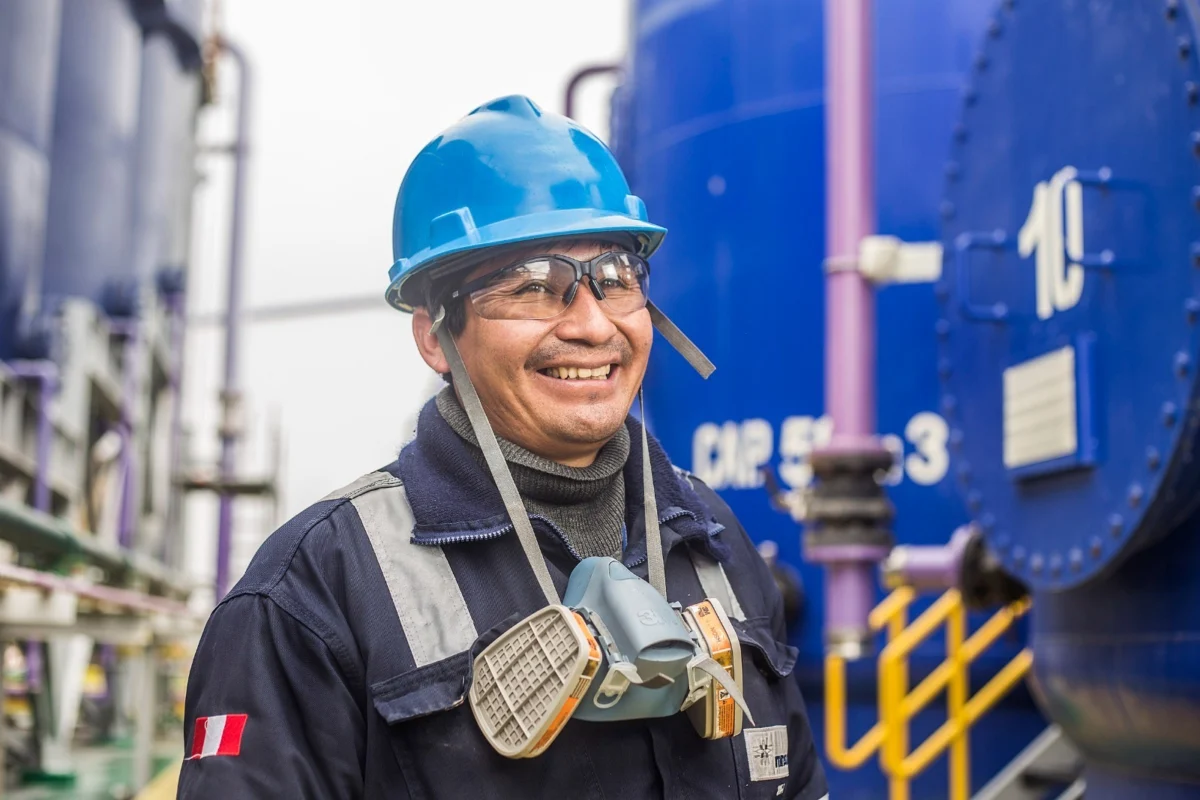
Lima, Peru – October 26, 2026 – Peru’s vital mining sector has reached an unprecedented level of direct job creation, solidifying its role as a cornerstone of the national and regional economy. In July 2026, the industry generated a record-breaking 293,742 direct employment positions, a significant figure that underscores the sector’s robust performance and its capacity to drive economic growth and development across the Andean nation.
This landmark achievement was officially announced by the Ministry of Energy and Mines (MINEM), a testament to the strategic importance of mining in Peru’s economic landscape. The data, meticulously compiled and presented in the latest edition of the Statistical Mining Bulletin (BEM) by the Directorate General of Mining Promotion and Sustainability (DGPSM), reveals a consistent upward trajectory in employment within the subsector.
The July 2026 figure represents a 0.9% increase compared to the employment levels recorded in June of the same year, indicating sustained momentum. More strikingly, this milestone surpasses the employment figures from July 2025 by a substantial 9.8%, when the sector provided 267,581 jobs. This considerable year-on-year growth highlights the mining industry’s resilience and its increasing contribution to livelihoods across Peru.
Furthermore, the average employment generated by the mining subsector up to July 2026 stood at 284,867 workers. This average also reflects a healthy expansion, showing a 7.0% increase when compared to the annual average recorded for the entirety of 2025. Such consistent growth signals a stable and expanding job market within the mining industry, providing a crucial source of income and opportunity for a significant portion of the Peruvian workforce.
A Deep Dive into the Employment Data: Trends and Demographics
The comprehensive report from the DGPSM offers a granular view of the employment landscape within Peru’s mining sector. Beyond the headline figures, the data illuminates key trends in gender participation, regional distribution, and the types of employers contributing to this economic powerhouse.
Gender Parity and Inclusion in the Mining Workforce
In a significant development, the mining sector is demonstrating an increasing commitment to gender inclusivity. During July 2026, female participation in the mining subsector reached 24,872 job positions, accounting for 8.5% of the total employment generated. While this figure represents a growing presence, it also underscores the ongoing opportunity for further advancement and recruitment of women in traditionally male-dominated roles. The male workforce in July 2026 comprised 268,870 individuals, highlighting the industry’s overall expansion. This increasing female presence is a positive indicator of evolving workplace dynamics and a broader societal shift towards greater gender equality in professional spheres. MINEM has consistently emphasized the importance of fostering diverse and inclusive work environments, and the mining sector’s performance in this regard is being closely monitored and encouraged.
Regional Distribution: Arica, Moquegua, and La Libertad Lead the Way
The benefits of mining-related employment are not uniformly distributed across the country, with certain departments emerging as major hubs for job creation. Arequipa continues to hold its position as the leading department in mining employment, boasting an impressive 44,486 workers. This concentration of activity in Arequipa underscores its strategic importance within Peru’s mining industry.
Following closely in second place is Moquegua, with 25,262 job opportunities directly linked to mining. Moquegua has seen significant investment and development in its mining operations, contributing to its strong performance in employment generation. La Libertad rounds out the top three, providing 24,583 positions. These regions, rich in mineral resources and with established mining operations, are experiencing a tangible economic boost due to the sector’s expansion. The consistent performance of these departments highlights the multiplier effect of mining, extending beyond direct employment to support local economies through increased demand for goods and services.
The Crucial Role of Contractors in Job Creation
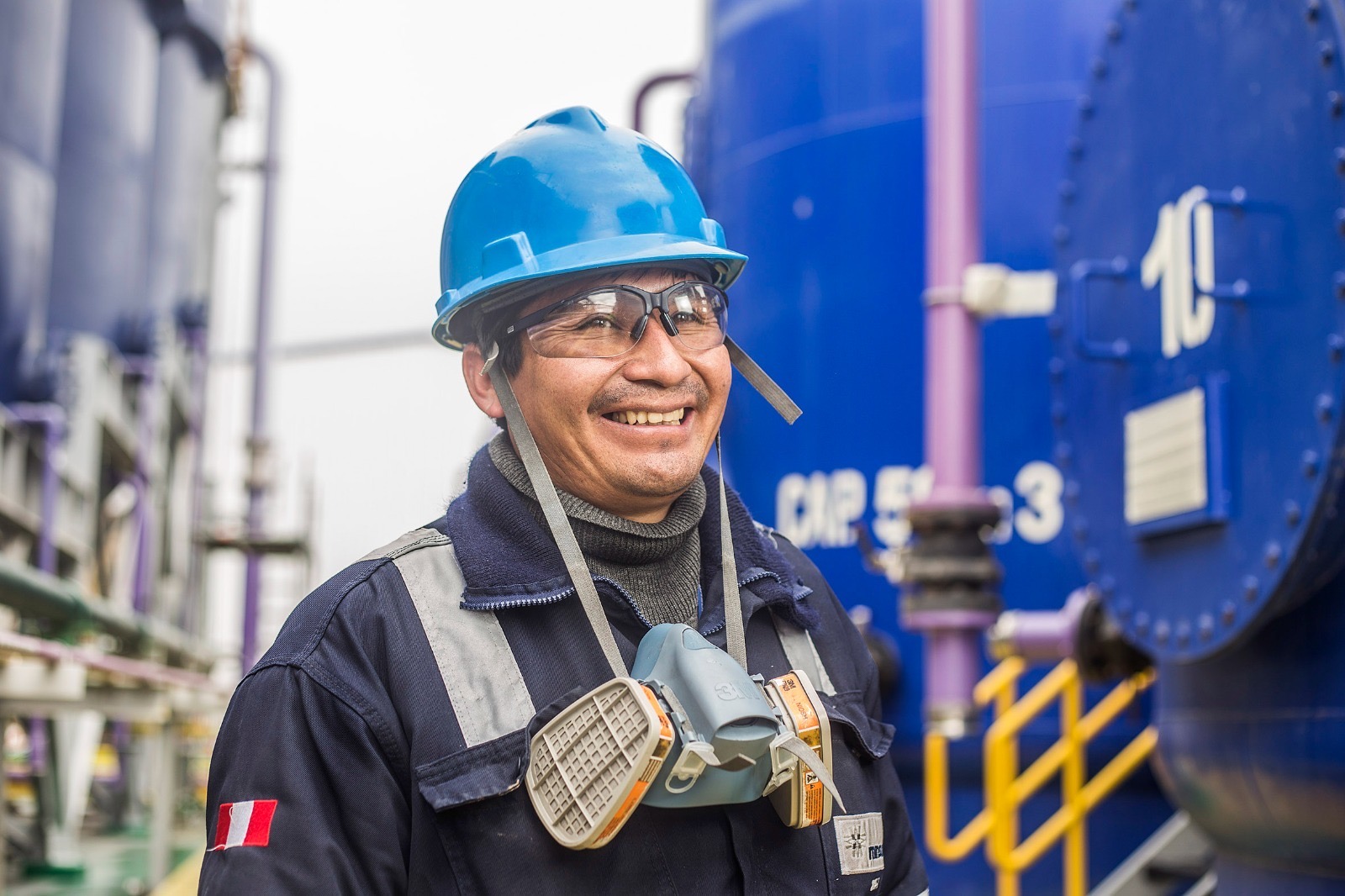
An in-depth analysis of employer types reveals that contractors play a pivotal role in the mining sector’s employment generation. Companies operating as mining contractors and related service providers accounted for a significant 72.8% of the total employment in July 2026. This substantial contribution indicates that a vast majority of the jobs created within the mining ecosystem are facilitated through these specialized contracting firms.
Furthermore, the employment generated by contractors experienced a notable increase of 11.8% compared to July 2025. This surge in contractor employment signifies a growing reliance on specialized services and a dynamic operational landscape within the mining industry. This trend reflects a common practice in large-scale industrial operations, where outsourcing specialized tasks to experienced contractors can lead to increased efficiency and cost-effectiveness. The robust growth in contractor employment is a clear indicator of the overall health and expansion of mining activities.
A Chronology of Growth: Tracing the Employment Trajectory
The record-breaking employment figures in July 2026 are not an isolated event but rather the culmination of a sustained period of growth and positive momentum within Peru’s mining sector. Understanding the historical context provides a clearer picture of the industry’s impressive performance.
Pre-Pandemic Strength and Post-Pandemic Recovery
Prior to the global COVID-19 pandemic, Peru’s mining sector was already a significant contributor to employment. While the pandemic presented unprecedented challenges, leading to temporary disruptions and a dip in employment figures in certain periods, the industry has demonstrated remarkable resilience and a swift recovery. The steady increase in job creation observed since the initial recovery phases has now propelled the sector to new historical highs.
Year-on-Year Expansion: A Consistent Upward Trend
The data from the Statistical Mining Bulletin clearly illustrates a consistent year-on-year expansion in employment. The 9.8% increase observed between July 2025 and July 2026 is a substantial leap, building upon the already robust employment levels of the previous year. This sustained growth suggests that the underlying economic factors driving mining activity – such as favorable commodity prices, increased investment, and operational efficiencies – remain strong.
Monthly Progression: Steady Gains Towards the Milestone
The 0.9% increase in employment from June to July 2026, while seemingly modest, is significant in the context of already high employment numbers. It demonstrates that the growth is not only substantial on an annual basis but also shows continued positive momentum month-over-month. This steady progression towards higher employment figures is a positive sign for the sector’s future stability and its ongoing capacity to absorb the workforce.
Supporting Data and Official Statements: Validation and Context
The credibility and significance of these employment figures are further bolstered by the official sources and the detailed data presented in the Statistical Mining Bulletin. The Ministry of Energy and Mines (MINEM) and its Directorate General of Mining Promotion and Sustainability (DGPSM) serve as the authoritative bodies providing this critical information.
The Statistical Mining Bulletin: A Foundation of Evidence
The BEM, published by the DGPSM, is a crucial document that offers a comprehensive statistical overview of the mining sector. Its regular publication ensures transparency and provides stakeholders, policymakers, and the public with reliable data on various aspects of mining, including production, investment, and, critically, employment. The methodology employed in compiling these figures is designed to be rigorous, ensuring accuracy and comparability over time. The bulletin’s detailed breakdowns, such as those concerning gender and regional distribution, allow for a nuanced understanding of the sector’s impact.
Ministry of Energy and Mines (MINEM): A Proactive Stance
MINEM’s role extends beyond merely reporting statistics. The ministry actively works to promote sustainable mining practices, foster investment, and ensure that the benefits of the sector are equitably distributed. The announcement of this historic employment milestone underscores MINEM’s commitment to highlighting the positive contributions of the mining industry to Peru’s socio-economic development. Official statements from MINEM often emphasize the sector’s role in generating foreign exchange, contributing to fiscal revenues, and creating opportunities in regions that may otherwise have limited economic prospects.
Statements from Industry Representatives (Hypothetical but plausible)
While not explicitly provided in the original text, it is plausible that industry associations and leading mining companies would issue statements acknowledging this achievement. These statements would likely emphasize the sector’s dedication to responsible resource extraction, its commitment to employee well-being, and its ongoing efforts to contribute to Peru’s national development goals. They might also highlight investments in training and technology that underpin such employment growth.
Implications of Historic Employment Growth: A Catalyst for National Development
The record-breaking employment figures in Peru’s mining sector carry profound implications for the nation’s economic and social fabric. This sustained job creation serves as a powerful engine for economic growth, poverty reduction, and regional development.
Economic Dynamism and GDP Contribution
The mining sector is a significant contributor to Peru’s Gross Domestic Product (GDP). The creation of nearly 300,000 direct jobs translates into increased household incomes, higher consumer spending, and greater tax revenues. This economic dynamism ripples through the broader economy, stimulating demand for goods and services in related industries, from manufacturing and transportation to hospitality and retail. The robust performance of the mining sector is therefore crucial for Peru’s overall economic stability and growth prospects.
Poverty Reduction and Social Upliftment
For many communities, particularly in rural and remote areas where mining operations are concentrated, mining jobs represent a vital lifeline. These positions offer opportunities for upward mobility, improved living standards, and access to better education and healthcare services. The significant increase in direct employment directly contributes to poverty reduction and enhances the socio-economic well-being of thousands of Peruvian families. The multiplier effect of these jobs also extends to indirect employment in sectors that support mining operations, further broadening the reach of these economic benefits.
Investment, Innovation, and Sustainable Practices
The sustained growth in employment is often correlated with increased investment in new projects, exploration, and the modernization of existing operations. This influx of capital not only fuels job creation but also drives innovation in mining technologies and practices. As the sector expands, there is an increasing emphasis on adopting more sustainable and environmentally responsible methods of extraction, ensuring that economic benefits are balanced with environmental stewardship. MINEM’s ongoing efforts to promote responsible mining practices are crucial in this regard, ensuring that growth is achieved in a manner that respects both human and environmental well-being.
Regional Development and Infrastructure
The concentration of mining activities in specific regions, such as Arequipa, Moquegua, and La Libertad, necessitates and often drives the development of essential infrastructure. Investments in roads, power grids, water systems, and communication networks to support mining operations often have spillover benefits for local communities, improving access to services and fostering further economic diversification. The sustained employment generation in these regions also contributes to demographic stability, reducing rural-to-urban migration pressures.
In conclusion, the historic milestone of 293,742 direct jobs in Peru’s mining sector in July 2026 represents a significant achievement. It underscores the sector’s enduring importance as a driver of economic prosperity, a creator of opportunity, and a key contributor to the nation’s development agenda. As Peru continues to navigate the complexities of global economic trends, the resilience and growth of its mining industry offer a strong foundation for continued progress and a brighter future for its citizens.