Lima, Peru – The Construction Materials Unit (UMC) of Grupo Gloria, a prominent Peruvian conglomerate, has demonstrated a substantial commitment to national development and sustainability through a significant investment of over US$100 million. This substantial capital injection has been channeled primarily through the "Obras por Impuestos" (Works for Taxes) mechanism, a public-private partnership initiative designed to accelerate infrastructure development and improve the quality of life for citizens. The UMC, which encompasses key subsidiaries like Yura, Calcesur, and Supermix, has strategically directed these funds towards critical projects, including the iconic Puente Chilina, vital infrastructure at the Universidad Nacional de San Agustín (UNSA), and educational facilities in Yura.
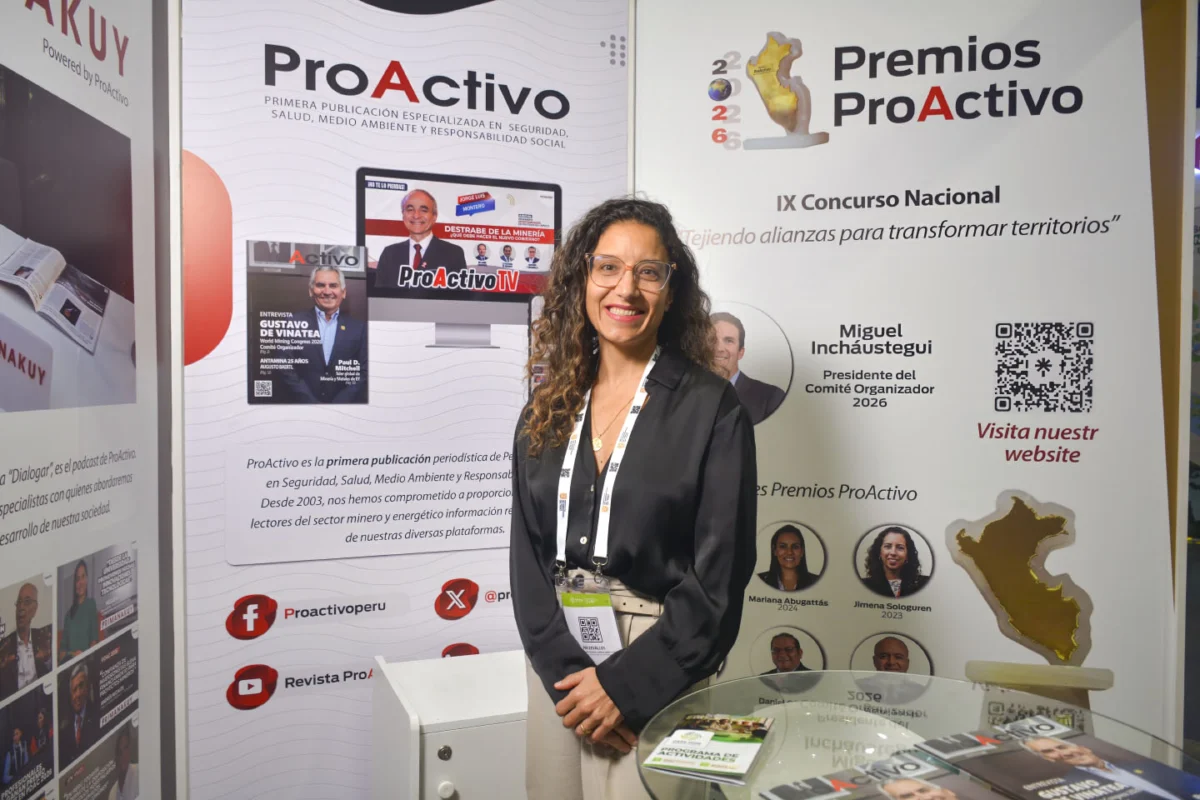
This ambitious investment underscores Grupo Gloria’s dedication to addressing Peru’s infrastructure deficit and fostering sustainable growth. Pia Zeballos, Sustainability Manager for the UMC of Grupo Gloria, elaborated on the group’s strategic approach in an exclusive interview with ProActivo during the GESS 2026 (International Encounter of Social and Sustainability Management). Zeballos highlighted the complexities inherent in executing such large-scale projects, emphasizing that successful implementation hinges on robust collaboration between the private sector, local communities, and the state. She stressed the crucial role of government entities in ensuring the long-term sustainability and impact of these infrastructure developments.
Strategic Investments Fueling Infrastructure Growth
The UMC’s commitment to closing Peru’s infrastructure gap is a cornerstone of its sustainability strategy, ranking as one of its three primary pillars. "We have greatly leveraged the ‘Obras por Impuestos’ mechanism. We have invested over $100 million in projects that improve people’s quality of life," Zeballos stated, underscoring the tangible benefits these investments bring to communities across the nation.
Among the flagship projects that have benefited from this significant investment is the Puente Chilina, a vital transportation artery that has enhanced connectivity and facilitated economic activity. The UNSA has also seen substantial improvements through UMC’s contributions, bolstering its capacity to serve students and advance academic research. Furthermore, the development of new educational facilities in Yura directly addresses the need for improved learning environments in the region.
Beyond these high-profile projects, the UMC’s investment portfolio extends to essential services. Notably, Calcesur, a subsidiary of the UMC, has financed a critical water and sanitation project for Caracoto, the location of its plant. This initiative is poised to significantly improve public health and environmental conditions in the area.
In a collaborative effort with other stakeholders from the Grupo Intercorp, the UMC also contributed to the financing of the Casablanca dam through "Obras por Impuestos." This strategically important water reservoir is designed to capture rainwater, providing a vital resource during dry seasons in the southern regions of the country. This project is a clear example of how Grupo Gloria is actively contributing to climate change adaptation strategies, ensuring water security in vulnerable areas.
The company’s engagement with local communities is also a key aspect of its social responsibility. Zeballos confirmed that the UMC is actively involved in developing tailored social programs in partnership with these communities. These initiatives include educational programs aimed at enhancing learning opportunities and agricultural programs designed to support local livelihoods. Furthermore, Calcesur, Yura, and Supermix are actively participating in the maintenance of community roads, further demonstrating a holistic approach to community development and infrastructure support.

A Clear Path Towards Carbon Neutrality: Cemento Yura’s Pioneering Efforts
Beyond its significant contributions to infrastructure, the UMC of Grupo Gloria is also at the forefront of environmental stewardship, particularly through its subsidiary Cemento Yura. The company has made remarkable strides in reducing its carbon footprint, aligning with the national cement industry’s ambitious roadmap towards carbon neutrality by 2050.
Cemento Yura has achieved a clinker factor of 57, a figure already below the national target of 70 set for 2030. In its Yura Max product, the company has even reached a clinker factor of 49, demonstrating an aggressive approach to reducing the environmental impact of cement production. This reduction is a direct result of the strategic initiatives implemented by the national cement industry to meet its 2030 milestones and achieve overall carbon neutrality by mid-century.
Zeballos elaborated on the industry’s commitment, stating that the Peruvian cement sector has pledged to reduce its carbon footprint to 520 kg of CO2 per ton of cement by 2030. Currently, Yura’s emissions stand at approximately 457 kg, positioning the company as a leader in this crucial environmental endeavor. She explained that the production of clinker, a key component of cement, is the primary source of emissions in the industry. This is attributed to the CO2 generated during the calcination of limestone and the significant fuel consumption required for the clinkerization process.
To mitigate this environmental impact, the UMC has implemented a two-pronged strategy. Firstly, the company is actively reducing the clinker factor by incorporating pozzolana, a supplementary cementitious material, into its cement formulations. This substitution not only reduces the amount of clinker needed but also utilizes a readily available natural material. Secondly, Cemento Yura is progressively substituting fossil fuels in its kilns with alternative fuels. These include reused oils, fuel derived from waste materials, and even fuel derived from end-of-life tires. This innovative approach not only reduces greenhouse gas emissions but also contributes to waste management solutions.
"Our goal of carbon neutrality by 2050 necessitates the development of assets that also enable us to absorb emissions. We believe that nature-based solutions hold significant promise in achieving this objective," Zeballos emphasized. This forward-thinking approach highlights Grupo Gloria’s commitment to integrating environmental preservation with industrial progress, seeking innovative solutions that benefit both the economy and the planet.
Chronological Overview of UMC’s "Obras por Impuestos" Investments:
While a precise chronological breakdown of every individual project investment is not detailed in the provided text, the article points to a sustained and strategic deployment of capital through the "Obras por Impuestos" mechanism over a period that has led to the current US$100 million cumulative investment. Key milestones and project types can be inferred:
- Early Stages (Implied): Initial engagement with "Obras por Impuestos" likely involved smaller-scale projects and building relationships with governmental bodies and communities. This phase would have focused on understanding the mechanism’s intricacies and demonstrating the UMC’s capacity.
- Mid-Term Development (Likely encompassing Puente Chilina and UNSA works): The investment in significant infrastructure like the Puente Chilina and university upgrades suggests a period of scaled-up commitment. These projects, requiring substantial funding and long-term planning, would have been initiated and progressed during this phase.
- Recent and Ongoing Initiatives (Including Caracoto water/sanitation, Casablanca dam, and Yura schools): The continued mention of water and sanitation projects, collaborative dam financing, and local school construction indicates an ongoing and evolving commitment. These projects often address immediate community needs and long-term sustainability goals, reflecting a mature and integrated approach to corporate social responsibility.
- Sustainability Milestones (Ongoing): The advancements in reducing the clinker factor and exploring alternative fuels at Cemento Yura represent a continuous effort to align industrial processes with environmental targets, driven by the national roadmap and the overarching goal of carbon neutrality.
The consistent flow of investment through "Obras por Impuestos" suggests a strategic, long-term vision by the UMC of Grupo Gloria, rather than isolated, ad-hoc projects.

Supporting Data and Key Figures:
- Total Investment: Over US$100 million.
- Investment Mechanism: "Obras por Impuestos" (Works for Taxes).
- Key Project Areas: Infrastructure development, education, water and sanitation, climate adaptation.
- Specific Projects Mentioned: Puente Chilina, Universidad Nacional de San Agustín (UNSA), schools in Yura, water and sanitation for Caracoto, Casablanca dam.
- Subsidiaries Involved: Yura, Calcesur, Supermix.
- Environmental Targets (Cemento Yura):
- National Clinker Factor Target (2030): 70
- Cemento Yura’s Current Clinker Factor: 57 (Yura Max: 49)
- National CO2 Emission Target per Ton of Cement (2030): 520 kg
- Yura’s Current CO2 Emissions per Ton of Cement: ~457 kg
- Long-Term Goal: Carbon neutrality by 2050.
- Emission Reduction Strategies:
- Use of pozzolana as supplementary cementitious material.
- Substitution of fossil fuels with reused oils, fuel derived from waste, and fuel derived from end-of-life tires.
Official Responses and Perspectives:
Pia Zeballos, Sustainability Manager, UMC of Grupo Gloria:
Zeballos’s statements provide the primary official response from Grupo Gloria regarding their investments and sustainability efforts. Her emphasis on the importance of collaboration between the private sector, community, and state highlights a pragmatic understanding of the challenges and opportunities within Peru’s development landscape. Her clear articulation of the UMC’s commitment to closing the infrastructure gap and her detailed explanation of the strategies employed to achieve carbon neutrality demonstrate a proactive and strategic approach. Her belief in the potential of nature-based solutions for carbon absorption further underscores a forward-looking perspective.
Governmental Perspective (Implied):
While no direct quotes from government officials are provided, the existence and continued utilization of the "Obras por Impuestos" mechanism by a major conglomerate like Grupo Gloria implicitly signifies governmental endorsement and recognition of its effectiveness. The government’s role in facilitating these partnerships and ensuring the sustainability of the projects is, as Zeballos notes, crucial. The continued success of such initiatives relies on a supportive regulatory framework and efficient administrative processes from the state.
Community Perspective (Implied):
The direct impact of the UMC’s investments on communities is alluded to through mentions of improved quality of life, enhanced educational facilities, and crucial water and sanitation projects. The company’s engagement in designing social programs with communities suggests a desire for partnership and a recognition of local needs and aspirations. The maintenance of community roads further indicates a commitment to tangible, on-the-ground improvements that directly benefit residents.
Implications and Future Outlook:
Grupo Gloria’s substantial investment through "Obras por Impuestos" carries significant implications for Peru’s development trajectory.
- Accelerated Infrastructure Development: The US$100 million investment directly contributes to bridging the nation’s infrastructure deficit, fostering economic growth, and improving the overall quality of life for citizens. Projects like the Puente Chilina and improved educational facilities have long-lasting societal benefits.
- Catalyst for Public-Private Partnerships: The UMC’s successful utilization of "Obras por Impuestos" serves as a powerful case study, potentially encouraging other private sector entities to engage more actively in public infrastructure development. This model fosters a more efficient and collaborative approach to nation-building.
- Environmental Leadership: Cemento Yura’s proactive stance on reducing its carbon footprint and its commitment to carbon neutrality by 2050 set a benchmark for other industrial players in Peru. The adoption of innovative emission reduction strategies, including the use of supplementary cementitious materials and alternative fuels, demonstrates a tangible pathway towards a more sustainable industrial sector.
- Social Responsibility and Community Engagement: The UMC’s focus on developing tailored social programs and supporting community infrastructure signifies a holistic approach to corporate social responsibility. This engagement fosters stronger relationships with local communities and ensures that development initiatives are aligned with their needs and aspirations.
- Resilience to Climate Change: Investments in water infrastructure, such as the Casablanca dam, are critical for enhancing the country’s resilience to the impacts of climate change, particularly in regions prone to water scarcity.
Looking ahead, the continued commitment of Grupo Gloria’s UMC to these principles, coupled with effective collaboration with the state and communities, will be instrumental in driving sustainable development in Peru. Their ongoing pursuit of carbon neutrality within the challenging cement industry offers a beacon of hope for a greener industrial future, demonstrating that economic progress and environmental stewardship can indeed go hand in hand. The company’s multifaceted approach, encompassing infrastructure, social development, and environmental sustainability, positions it as a key player in shaping a more prosperous and resilient Peru.