Lima, Peru – The landscape of corporate leadership in Peru is undergoing a subtle yet significant shift. While the presence of women in executive roles is on the rise, a critical question emerges: is this increased representation translating into genuine influence and decision-making power? A recent analysis by Cornerstone, a leading executive search and talent management firm, suggests that while progress is being made in filling executive seats, the next frontier lies in ensuring women can effectively shape the strategic direction and future trajectory of Peruvian organizations.
The data reveals a compelling, albeit concerning, trend. In May, Cornerstone reported that approximately 28% of C-level positions are held by women. However, this figure dramatically shrinks when examining the highest echelons of leadership. For general management roles, the representation plummets to merely 5 out of every 100 positions. This stark disparity underscores a fundamental challenge: simply accessing senior leadership roles is not enough. True advancement necessitates possessing the requisite authority, visibility, and influence to meaningfully impact the most crucial business decisions.
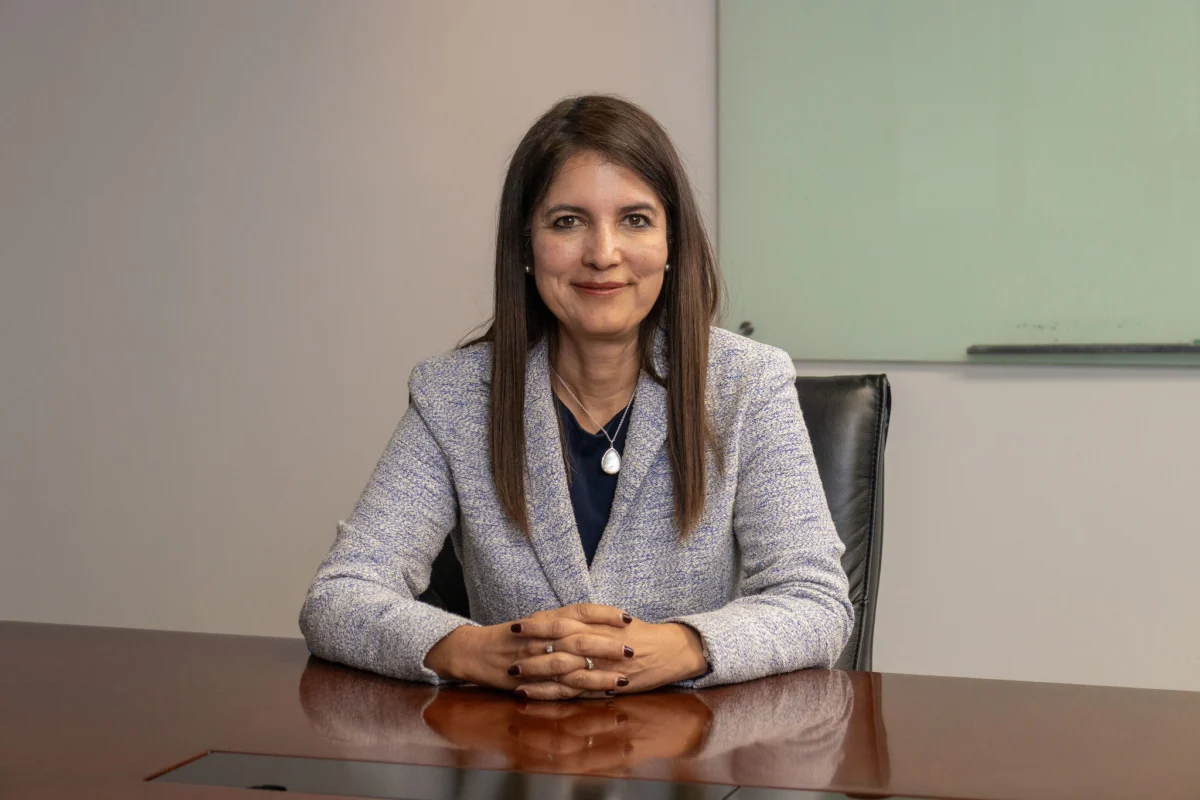
Sandra Cubas, Regional Managing Partner at Cornerstone, elaborates on this critical distinction. "Gaining access to an executive position is an important step forward, but it doesn’t mark the end of the journey," she states. "Influence is solidified when a woman actively participates in strategic decision-making, manages resources, and holds a clear mandate to be accountable for results." This sentiment highlights a crucial understanding: the goal is not merely to occupy a seat at the table, but to have a voice that is heard, respected, and acted upon.
The Unveiling of a Complex Challenge
The journey for women in Peruvian business leadership is a narrative of incremental progress met with persistent structural and cultural hurdles. For years, the focus has been on breaking the glass ceiling, on simply opening doors to executive suites. While commendable, this initial phase has revealed that the "ceiling" is not a monolithic barrier, but rather a multifaceted challenge encompassing access to power, informal networks, and the subtle biases that can still impede full integration into decision-making processes.
The statistics from Cornerstone paint a vivid picture of this ongoing struggle. The 28% C-suite representation, while a positive indicator of increasing diversity at senior levels, is significantly diluted when the focus shifts to the ultimate leadership positions. The alarming drop to 5% in general management roles suggests that women, even when they reach the executive ranks, may not be consistently being groomed for or entrusted with the broadest scopes of responsibility and strategic oversight. This gap signifies that the path to true influence is more circuitous than a simple promotion might suggest.
A Strategic Framework for Enhanced Influence
Recognizing that representation alone is insufficient, Sandra Cubas has identified five key pillars that organizations must embrace to transform the presence of women in leadership into impactful participation. These pillars offer a roadmap for cultivating an environment where female executives can not only contribute but also drive significant strategic outcomes.
Pillar 1: Equipping Positions with Real Authority and Sponsorship
The first and perhaps most fundamental step is to ensure that an executive appointment is not merely symbolic. "It is not enough to appoint a woman to an executive role," Cubas emphasizes. "Beyond the mandate and resources, it is crucial that she has a sponsor within the senior leadership team. This sponsor facilitates her exposure to critical decisions, champions her participation, and helps to open doors in areas where she may currently lack sufficient visibility."

This sponsorship is not about creating dependency, but rather about accelerating integration into informal power structures and decision-making networks that often develop organically. These networks, frequently built on established relationships and historical access, can be a significant advantage for those who are part of them. For women, who may not have had the same historical access to these informal circles, a dedicated sponsor can act as a vital bridge.
Cubas further clarifies, "Responsibility must be accompanied by the necessary authority to exercise it. Organizations must critically examine the real scope of each position, looking beyond its title or perceived visibility." This calls for a proactive review of job descriptions and organizational structures to ensure that roles designated for women executives carry the weight and autonomy required to effect change and drive business outcomes.
Pillar 2: Establishing Strategic Decision-Making Forums
A common pitfall identified in the current landscape is the tendency for female executives to be brought into the decision-making process after strategic choices have already been made, primarily for implementation. This relegates their role to execution rather than strategic formulation. To truly empower them, organizations must actively integrate them from the outset of strategic planning.
"Strengthening their influence means incorporating them from the very beginning, in the definition of challenges, the evaluation of risks, and the decision-making regarding investments, growth, transformation, technology, and succession planning," explains Cubas. The goal is to ensure that their perspectives are considered and weighed during the formative stages of strategic development, not just during the execution phase. This requires the creation of dedicated committees or forums where these strategic discussions take place, and where female executives are not only present but are active contributors.
Pillar 3: Leveraging Executive Coaching for Enhanced Influence
While technical capabilities are often a prerequisite for executive roles, navigating complex organizational politics and dynamics can present a different set of challenges. Executive coaching can play a pivotal role in equipping female leaders with the nuanced skills needed to thrive in these high-stakes environments.
"An executive may possess excellent technical skills and still require tools to navigate highly complex political and organizational landscapes," Cubas notes. "A coach can assist her in defining her influence style, preparing for difficult conversations, better understanding stakeholders, building alliances, managing resistance, and communicating her positions with greater impact." Importantly, the aim of coaching is not to mold women into a pre-defined, potentially masculine, leadership mold, but rather to help them refine and amplify their own authentic leadership styles for maximum effectiveness.
Pillar 4: Cultivating Networks of Influence, Not Just Competencies
Historically, female development programs have often prioritized skills-based training. However, Cubas argues that a significant gap often lies in access to strategic relationships. "Female development often focuses on training, when frequently the gap lies in access to strategic relationships," she states. "Organizations should ask themselves: who introduces these executives to the board, who incorporates them into high-impact projects, who considers them for general management roles, and who speaks about them when succession plans are discussed?"

This highlights the critical importance of networking and relationship building. Mentor programs, sponsorship initiatives, and executive coaching, while distinct in their functions, should be viewed as complementary strategies that can collectively foster the development of robust networks of influence for women in leadership. These networks provide access to information, opportunities, and crucial support systems that are vital for career progression and impactful leadership.
Pillar 5: Measuring True Decision-Making Power
Finally, and perhaps most critically, organizations must move beyond simply counting the number of women in executive positions and begin to measure their actual decision-making power. This requires adopting more sophisticated metrics.
"In addition to having women in executive roles, it is essential to work with more sophisticated indicators," Cubas advises. "This includes the percentage of women with P&L responsibility, women leading business units, their participation in and presidencies of critical committees, their exposure to the board, responsibility for investments, and their presence in succession plans for general management."
The ultimate question, Cubas concludes, is not just about representation, but about impact. "The important thing is to start measuring: ‘How many women are sitting at the table?’ ‘In what decisions do they participate, what resources do they manage, and how much do their opinions weigh when the future of the business is defined?’" This call for deeper, more meaningful measurement signifies a shift towards a more results-oriented approach to gender diversity in leadership.
From Representation to Strategic Impact
Cornerstone’s perspective is clear: the advancement of women in senior leadership must be evaluated not solely by the number of positions they occupy, but by their tangible involvement in decisions that dictate the continuity and growth of a business. This nuanced understanding moves beyond superficial diversity metrics to address the core of effective leadership.
Sandra Cubas encapsulates this vision with a powerful concluding statement: "Leadership is strengthened when diversity translates into authority, responsibility, and influence. That is the step organizations must take to transform representation into true business capability." This underscores the imperative for Peruvian businesses to actively cultivate environments where women are not just present, but are empowered to lead, innovate, and ultimately, drive the success of their organizations. The journey from representation to genuine decision-making power is a complex one, but it is a necessary evolution for businesses seeking to thrive in an increasingly diverse and dynamic global marketplace.