In a significant stride toward environmental sustainability and public health, the government of Córdoba, Argentina, is moving forward with the comprehensive renovation of the wastewater treatment system in La Cumbrecita. Located in the picturesque Calamuchita department, this iconic town—known for its Alpine architecture and status as a premier tourist destination—is currently seeing its primary sanitation infrastructure undergo a major overhaul. With the project now surpassing the 60% completion mark, the initiative stands as a cornerstone of provincial efforts to modernize utility services in growing mountain communities.
The project is more than a mere maintenance task; it represents a strategic investment in the long-term viability of La Cumbrecita. By re-engineering the existing system to handle modern volumes and stricter environmental standards, provincial authorities aim to safeguard the pristine natural environment that defines the region, while simultaneously ensuring that the local infrastructure can meet the demands of both its 750 permanent residents and the thousands of visitors who flock to the area annually.
Main Facts: A Strategic Overhaul of Sanitation
The "refunctionalization and enhancement" project for the La Cumbrecita sewage system is designed to address the obsolescence of older infrastructure. As the town has grown, the original treatment system became insufficient to manage current effluent levels effectively.
The primary objectives of the renovation are as follows:
- Infrastructure Modernization: Replacing outdated mechanical components and civil structures to improve the efficiency of effluent treatment.
- Capacity Enhancement: Ensuring that the system can handle peak loads generated during high tourism seasons, preventing potential environmental contamination of local water sources.
- Operational Continuity: Utilizing a phased construction schedule that allows the system to remain functional throughout the duration of the works.
- Environmental Compliance: Meeting updated provincial and national environmental regulations regarding the discharge of treated water.
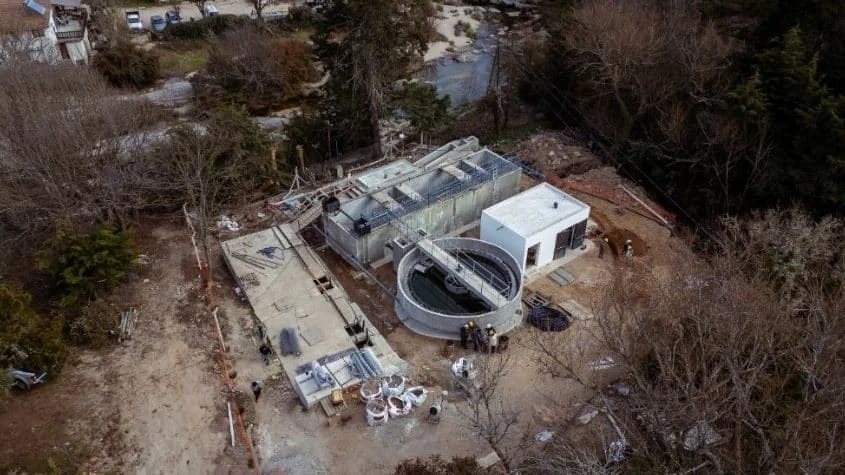
The project encompasses a full reconstruction of key treatment nodes, including aeration chambers, mixing basins, and secondary sedimentation systems. By integrating advanced technology, the government of Córdoba expects to extend the lifespan of the sanitation facility by several decades.
Chronology of Development
The road to the current 60% progress milestone has been marked by careful planning and phased execution to minimize disruptions to the local population and the tourism sector.

Phase 1: Planning and Initial Assessment (Early Planning Stages)
Before breaking ground, engineers conducted a comprehensive diagnostic of the existing plant. The assessment revealed that while the core structure was sound, the internal mechanical components—specifically the aeration and blower systems—had reached the end of their operational lifecycle.
Phase 2: Early Civil Works and Structural Reinforcement
The initial phase of construction focused on the primary chambers. Crews initiated the replacement of aging pipes and the installation of new, high-efficiency blowers. This was a critical step in increasing the dissolved oxygen levels within the treatment process, which is essential for biological breakdown.
Phase 3: The Mid-Project Milestone (Current Status)
Currently, the project is in the stage of active testing. The construction of the new mixing chamber and the primary sedimentator has been completed. These components are currently undergoing rigorous "leaks and tightness" (estanqueidad) testing to ensure structural integrity and zero-leak performance before full integration.
Phase 4: Future Roadmap
With the first sector of the plant nearing final operational status, the project will transition into the secondary phase. This involves the renovation of the second, parallel treatment chamber. By adopting this staggered approach, the provincial government ensures that the town’s sewage treatment never goes offline, thereby preventing any raw discharge into the local ecosystem.
Technical Data: Engineering the Future of La Cumbrecita
The technical complexity of the project highlights the government’s commitment to quality. The engineering team has divided the work into specialized sectors, each requiring a high degree of precision.
The Aeration and Blower Infrastructure
One of the most vital upgrades involves the aeration chamber. In modern biological wastewater treatment, aeration is the "heart" of the system. The replacement of old, power-hungry blowers with newer, energy-efficient models significantly reduces the facility’s carbon footprint. Furthermore, the new piping layout ensures more uniform air distribution, which optimizes the activity of the beneficial bacteria that break down organic matter in the effluent.

Sedimentation and Mixing
The newly constructed mixing chamber is designed to homogenize the influent, ensuring a stable environment for the biological processes to follow. The new sedimentator, which is currently being tested, utilizes gravity-based separation to pull solids from the liquid waste. This process is essential for ensuring that the water discharged back into the environment meets strict clarity and chemical purity standards.
Electrical and Control Systems
Beyond the physical concrete and steel, the project includes a complete overhaul of the electrical infrastructure. This includes:
- New Dosing Rooms: For the chemical treatment stages, which are vital for disinfection.
- Redundant Power Systems: To prevent system failure during local power fluctuations common in mountainous terrain.
- Advanced Grounding: Installing a comprehensive system of electrical grounding to protect sensitive equipment from atmospheric discharges (lightning strikes), which are frequent in the Calamuchita region.
Official Perspective and Implications
Provincial authorities have framed this project as a necessity for the "Triple Bottom Line" of local development: economic, environmental, and social.
Economic and Tourism Impact
La Cumbrecita is one of the most visited locations in the Córdoba mountains. Its reputation as an "ecological town" depends heavily on its pristine streams and forests. A failure in the sanitation system would not only pose a public health risk but would be catastrophic for the town’s tourism-based economy. By investing in this infrastructure, the provincial government is essentially protecting the town’s primary economic asset.
"The modernization of this plant is an investment in the future of tourism in Calamuchita," a spokesperson for the regional development office noted. "Tourists expect the same level of sanitation and environmental care that they find in modern urban centers, and it is our duty to provide that standard in our natural retreats."
Social and Public Health Benefits
For the 750 permanent residents, this project represents a long-term guarantee of quality of life. Access to reliable sanitation is a fundamental right, and by scaling the system to meet modern demands, the government is preventing the health risks associated with overloaded sewage systems, such as waterborne illnesses and soil contamination.

Implications for Future Regional Infrastructure
The success of the La Cumbrecita project serves as a model for other small, mountainous towns in the region. Córdoba’s strategy—prioritizing the "refunctionalization" of existing plants rather than attempting to build entirely new, expensive greenfield facilities—proves to be a more fiscally responsible and less environmentally invasive path.
As the project approaches its final stages, the focus will shift toward full integration and the training of local personnel to operate the new, more sophisticated control systems. Once completed, the residents and tourists of La Cumbrecita will benefit from a robust, invisible, and highly efficient system that protects the natural beauty of the Sierras for generations to come.
In conclusion, the work being performed in the heart of the Calamuchita department is a testament to the importance of proactive infrastructure management. By staying ahead of capacity issues and prioritizing environmental stewardship, the government of Córdoba is ensuring that La Cumbrecita remains a jewel of Argentine tourism, sustained by a modern, reliable, and invisible foundation of public service.