The landscape of South American regional integration is undergoing a transformative shift. With the official commencement of construction on a landmark binational bridge over the Mamoré River, Brazil and Bolivia are taking a decisive step toward enhancing economic connectivity. This project, which seeks to link the Bolivian city of Guayaramerín with the Brazilian municipality of Guajará-Mirim, is not merely a construction endeavor; it is a strategic logistical corridor designed to facilitate international trade, optimize supply chains, and bolster diplomatic ties between two of South America’s most significant economies.
With a total investment of 421.398 million Brazilian reais (approximately 936 million bolivianos), the project stands as a testament to the commitment of both Brasília and La Paz to modernize their border infrastructure. As the construction machinery begins its work, the regional economic outlook for the Amazonian frontier appears increasingly optimistic.
Main Facts: A New Gateway for South American Trade
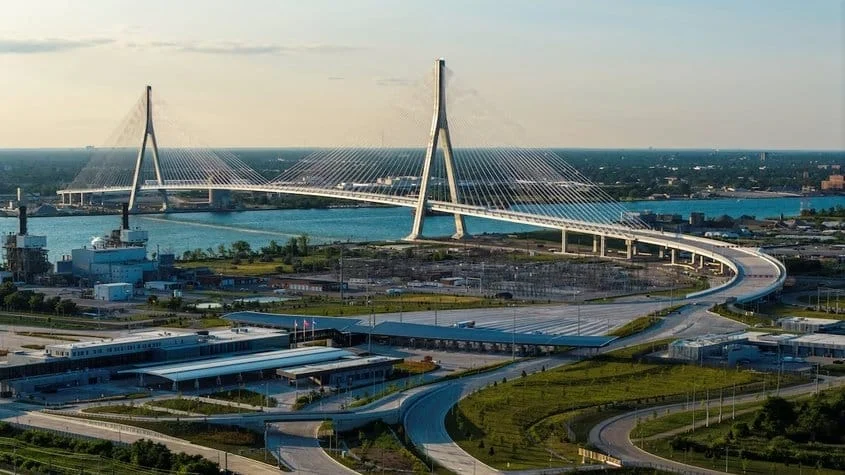
The centerpiece of this initiative is a 1.2-kilometer bridge spanning the Mamoré River, a vital waterway that has historically served as a geographic divider between the two nations. The project, which carries an ambitious construction timeline of two years and ten months, is designed to accommodate heavy industrial traffic, effectively upgrading the current, often bottlenecked, transit points.
Beyond the bridge structure itself, the project includes an extensive 3.7-kilometer access road network on the Brazilian side. On the opposite bank, the Bolivian government has mobilized the Administradora Boliviana de Carreteras (ABC) to initiate technical pre-investment studies for an 18.3-kilometer access highway. This road will serve as a critical artery, linking the national routes RVF-08 and RVF-09 directly to the new binational bridge.
The project is comprehensive in its scope, incorporating a state-of-the-art border complex. This facility will house essential government services, including customs, police, and sanitary inspection stations. By centralizing these services, the complex is expected to significantly reduce transit times for heavy freight vehicles, streamline bureaucratic processes, and enhance the security of the international corridor.

Chronology: The Road to Implementation
The realization of the Mamoré bridge is the culmination of years of diplomatic dialogue and technical feasibility assessments. While the project has been discussed in various forums for over a decade, it reached a critical turning point in the recent fiscal year as both nations prioritized regional infrastructure as a pillar for post-pandemic economic recovery.
- Initial Conceptualization (2010s): Early bilateral meetings identified the Guayaramerín-Guajará-Mirim crossing as a "bottleneck of strategic importance" for the export-import trade of agricultural products and manufactured goods.
- Technical Agreement (Early 2024): Both governments formalized the technical specifications, environmental impact assessments, and the financial framework, securing the necessary funding allocation for the initial phases of construction.
- Procurement and Mobilization (Late 2024 – Early 2025): The bidding process for the bridge construction was concluded, with the contract awarded to a consortium capable of managing the complex logistical demands of building in the Amazon basin.
- Groundbreaking (Mid-2026): With environmental permits finalized and logistical mobilization complete, formal construction on the bridge began in August 2026.
- Ongoing Phase (Current): Simultaneously, Bolivia has commissioned the technical design for the 18.3-kilometer road, with studies expected to span the next 10 months. These studies will encompass rigorous hydrological, geotechnical, and topographic analyses to ensure the durability of the road in the flood-prone Amazonian climate.
Supporting Data: Economic and Engineering Dimensions
The financial magnitude of the project underscores its regional importance. With a budget exceeding 421 million reais, the infrastructure is designed to be resilient and high-capacity. The integration of the border complex—which includes dedicated patios for heavy vehicles and climate-controlled inspection platforms—signals a move toward "Smart Borders."
Technical Specifications Summary:
- Bridge Length: 1.2 kilometers.
- Road Connectivity (Bolivian Side): 18.3 kilometers connecting to routes RVF-08 and RVF-09.
- Road Connectivity (Brazilian Side): 3.7 kilometers.
- Estimated Job Creation: 400 direct and indirect jobs during the construction phase.
- Operational Scope: Customs, immigration, police, and specialized sanitary checkpoints.
The hydrological studies being conducted for the access road are particularly vital. Given the Mamoré River’s susceptibility to seasonal variations, the engineering design must account for significant soil moisture levels and potential flooding, necessitating advanced geotechnical engineering to ensure long-term structural integrity.
Official Responses and Diplomatic Significance
Government officials from both sides have lauded the project as a victory for regional integration. The Brazilian Ministry of Infrastructure has emphasized that this project is part of a broader "South American Integration Corridor," aimed at linking the Atlantic and Pacific oceans through efficient road and river systems.
For Bolivia, the project is seen as a major win for the "ABC" (Administradora Boliviana de Carreteras), as it represents the first time in recent history that such a high-stakes, binational coordination has reached the implementation phase with such clarity. Representatives from the Bolivian Ministry of Public Works have stated that the new road will be a game-changer for regional producers in the Beni department, providing them with a direct, high-quality outlet for their goods into the massive Brazilian market.

Furthermore, the collaboration between the two nations serves as a diplomatic signal. In an era where global trade is becoming increasingly regionalized, the Mamoré Bridge serves as a physical manifestation of the strengthening relationship between the administrations in Brasília and La Paz.
Implications: A Catalyst for Regional Development
The implications of this infrastructure project extend far beyond the immediate construction site. By transforming the Guayaramerín-Guajará-Mirim crossing, the two nations are setting the stage for several key developments:
1. Enhanced Logistics and Export Capacity
Currently, the transit of goods across this frontier is hampered by slow, fragmented crossings. The new bridge will enable continuous, 24/7 logistical flows. This will significantly reduce the "cost of distance" for exporters, particularly in the agribusiness sector, where timely delivery is critical to maintaining the shelf-life and market value of perishable goods.
2. Job Creation and Socio-Economic Stability
Beyond the 400 jobs created during the construction phase, the project is expected to stimulate the local economy through increased demand for services, fuel, hospitality, and vehicle maintenance. The establishment of a modern border complex will also attract logistics firms and trade brokers, creating a permanent economic ecosystem around the crossing.
3. Regional Integration and Political Stability
The successful completion of the bridge will act as a blueprint for future infrastructure projects across the continent. It demonstrates that with the right technical coordination and political will, bilateral projects can overcome historical bureaucratic inertia. This is a crucial step in fulfilling the long-standing dream of a unified South American transportation network.

4. Environmental Stewardship
While the project brings development, it also requires strict adherence to environmental protocols. Both governments have committed to rigorous monitoring of the impact on the Mamoré River ecosystem. The project represents a balancing act: fostering economic growth while ensuring the protection of the fragile Amazonian environment, a challenge that will be closely watched by international observers and NGOs.
Conclusion
The Mamoré River bridge is more than a link between two cities; it is a bridge to a more integrated, efficient, and prosperous future for South America. As Brazil and Bolivia move forward with their respective construction and study phases, the world is watching a prime example of international cooperation in action.
With the project slated for completion within the next three years, the anticipated surge in trade volume and the improved connectivity for local populations will likely prove that the investment of 421 million reais was not only a financial commitment but a visionary step toward regional resilience. As the construction progresses, the eyes of the international trade community remain fixed on the Mamoré, waiting to see the first heavy transport trucks cross this vital new threshold of South American commerce.