The Peruvian energy landscape is currently navigating a period of profound turbulence. The recent implementation of a targeted subsidy for diesel—a measure providing S/4 per gallon for a three-month period—has been characterized by industry experts not as a cure, but merely as a "palliative" designed to quell immediate social unrest.
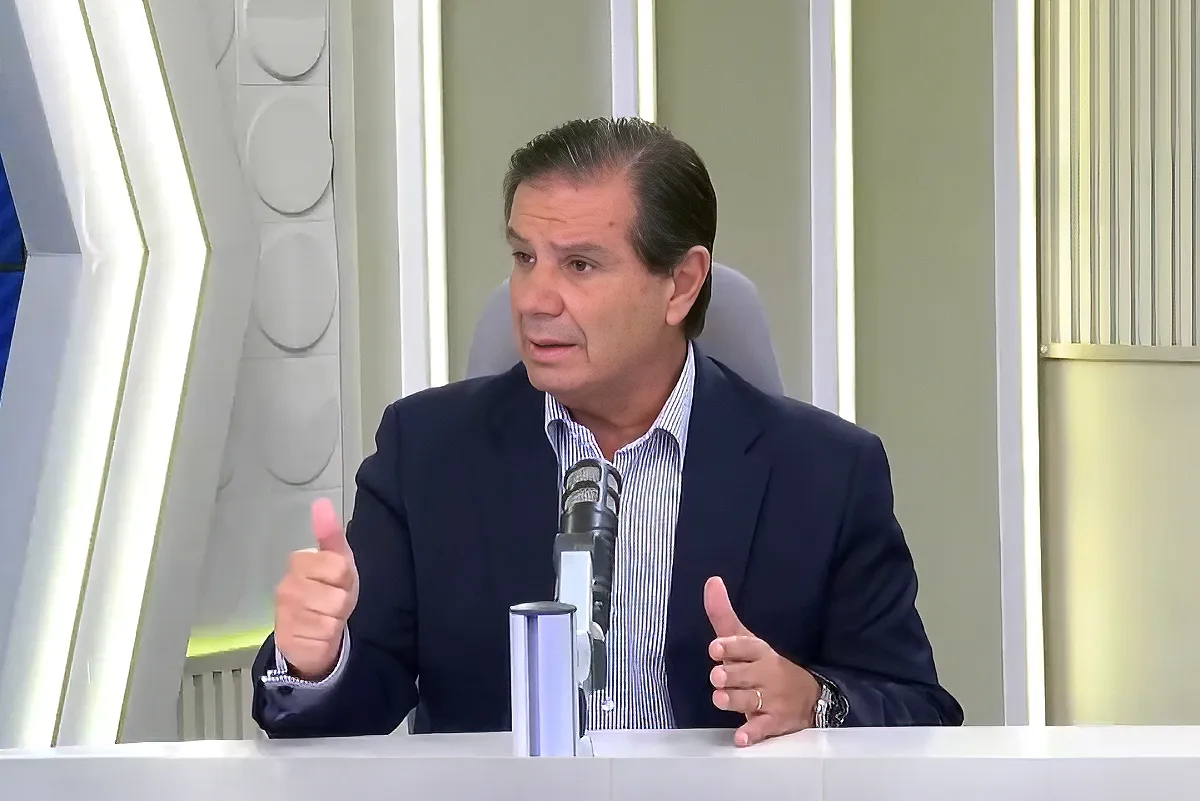
Felipe Cantuarias, President of the Peruvian Hydrocarbons Society (SPH), has emerged as a vocal critic of the government’s reactive approach. According to Cantuarias, the ongoing protests in the Ucayali region are not isolated incidents; they are the most visible symptoms of a systemic illness within Peru’s energy infrastructure. This crisis is fueled by a volatile convergence of external factors—specifically the rising price of international crude oil driven by geopolitical tensions in the Middle East—and internal operational deficiencies within the state-owned oil giant, Petroperú.
The Anatomy of the Crisis: A Vulnerable Dependency
The core of the issue lies in Peru’s structural reliance on imported fuels. As Cantuarias highlighted in an interview with RPP Noticias, Peru is alarmingly exposed to external shocks. Currently, the nation imports approximately 80% of the diesel and gasoline consumed domestically, alongside nearly 40% of its Liquefied Petroleum Gas (LPG) requirements.
This dependency renders the domestic economy highly susceptible to global market fluctuations. When international prices spike, the domestic impact is immediate and often catastrophic for remote regions like Ucayali. The situation has been exacerbated by a decline in supply chain efficiency, particularly regarding the distribution of fuel from the Iquitos refinery to the Ucayali region, which has left the local population bearing the brunt of scarcity and price hikes.
A Chronology of Energy Neglect
The current unrest in Ucayali is the culmination of decades of deferred maintenance and poor strategic planning:
- The Aguaytía Paradox: For over two decades, the Ucayali region has sat atop a significant natural gas deposit, the Aguaytía field. Despite being a mere six kilometers from Pucallpa, the region remains disconnected from its own resource.
- The Pucallpa Refinery Closure: The Pucallpa refinery, which historically produced 3,200 barrels per day—enough to meet the entire regional demand—was shuttered. According to SPH, there were at least five documented instances where private investors proposed taking over the facility under a concession model, but Petroperú rejected these overtures, choosing instead to allow the asset to languish.
- The Talara Modernization: The ongoing struggle to bring the Talara Refinery to full operational capacity has become a symbol of the sector’s woes. Despite a massive investment exceeding US$6 billion, the facility is currently operating at only 63% capacity, processing 60,000 barrels per day instead of its 95,000-barrel target.
Official Responses: Petroperú at a Crossroads
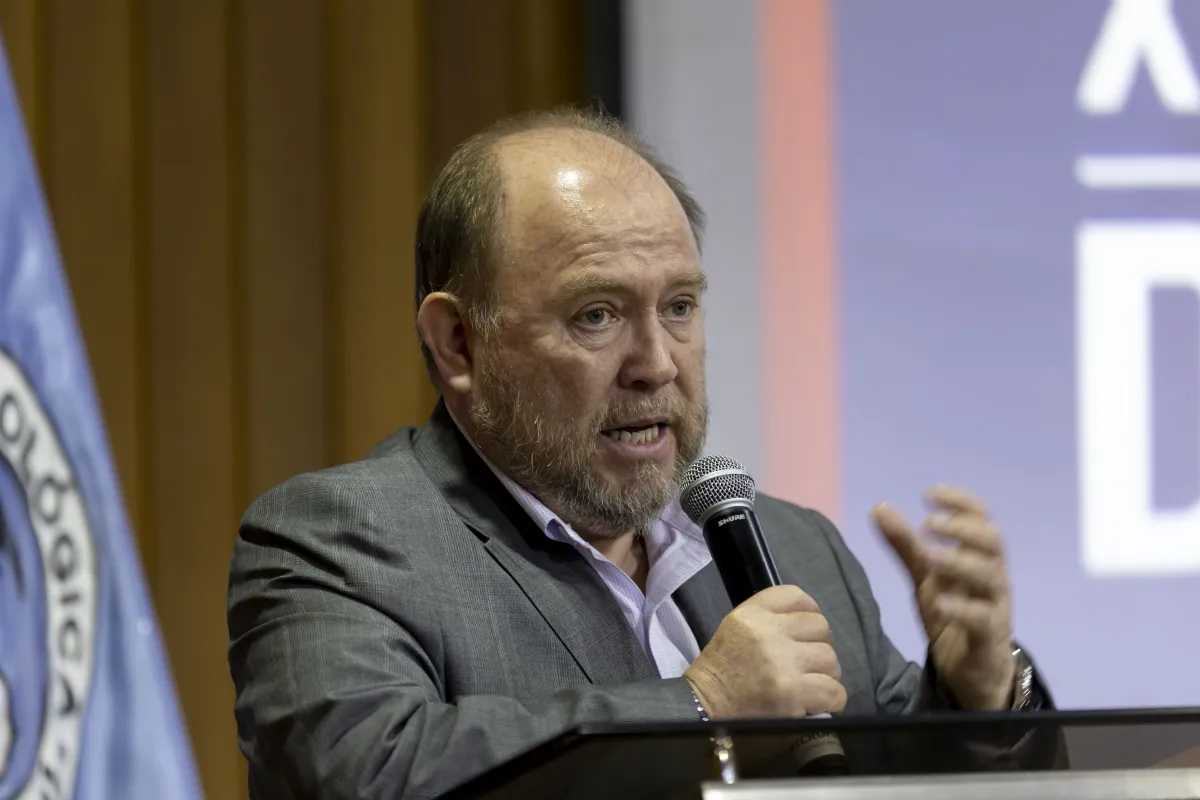
The Ministry of Energy and Mines (MINEM), under the leadership of Minister Guillermo Shinno, has been forced to confront the operational limitations of the state-owned oil company. Shinno recently admitted that the Talara Refinery’s failure to reach its nominal capacity is a point of significant concern.

"Aparently, there has been either a flaw in the design or an intermediate mechanism failure that prevents us from reaching the 95,000-barrel target," Shinno stated. The Ministry has tasked the new Petroperú board, led by Oliver Stark, with conducting a rigorous investigation into the causes behind this underperformance.
The Strategy for Survival: Refloat, Not Liquidate
The government has explicitly rejected the idea of liquidating Petroperú, instead pivoting toward a "reflotation" strategy. The company has been reorganized into ten distinct business lines, supported by ProInversión, with the goal of ensuring that each unit becomes autonomous and profitable.
"The objective is for each business unit to be self-sustaining," Shinno explained. "If they fail to achieve that, we will have to make difficult decisions later." To facilitate this, the board has approved the creation of a Special Purpose Vehicle (SPV) designed to streamline resource allocation and improve the company’s liquidity, which has been severely constrained by its mounting debt and operational inefficiencies.
The Path Forward: The "Siete Regiones" Project
For the SPH, the solution to the energy crisis is not more subsidies, but structural reform through infrastructure projects like the "Siete Regiones" (Seven Regions) initiative. This project aims to bring natural gas to 15 cities across the southern macrorregion, including Ucayali.
The proposed plan involves extending the Cálidda concession to construct a gas pipeline connecting the Aguaytía field directly to Pucallpa. The economic logic is compelling: Natural Gas for Vehicles (NGV) is approximately 90% cheaper than diesel and gasoline.
"This is a project that could be operational in 18 months," Cantuarias noted. "It requires an investment of US$550 million, to be 100% financed by the private sector." While an addendum to the contract was signed in March, the project remains in legislative and executive limbo. The delay threatens to deprive 300,000 potential users of a cleaner, more affordable energy source, prolonging the region’s dependence on expensive, imported diesel.

Implications: The Warning Signs of Investor Flight
Perhaps the most alarming indicator of the sector’s health is the reported intention of Chevron to withdraw from its interests in offshore blocks Z-61, Z-62, and Z-63. Chevron, a global industry leader that entered the Peruvian market in 2025 with significant optimism, is reportedly re-evaluating its regional portfolio to focus on markets with more competitive conditions and faster regulatory approval processes.
The potential exit of a major player like Chevron sends a chilling message to global capital markets. It suggests that Peru’s regulatory environment and infrastructure challenges are outweighing the potential rewards of its hydrocarbon reserves.
Conclusion: The Cost of Inaction
The energy crisis in Peru is no longer a localized issue; it is a fundamental challenge to the country’s macroeconomic stability. As the SPH has consistently argued, the reliance on temporary subsidies masks a deeper decay in the energy sector’s value chain.
If the government remains paralyzed by political hesitation—unable to finalize the Siete Regiones project, unwilling to optimize Petroperú’s assets, and failing to provide the regulatory certainty required by international investors—Peru will continue to suffer from periodic social unrest and economic vulnerability. The choice facing the current administration is stark: continue the cycle of "palliatives" that drain the national treasury, or implement the long-delayed, market-driven structural reforms that would finally allow Peru to leverage its own natural wealth for the benefit of its citizens.
The exit of major global operators, the underperformance of the Talara Refinery, and the plight of the Ucayali region serve as a final warning. The window for meaningful reform is closing, and the cost of further inaction will be paid not just by the industry, but by every Peruvian household facing the rising costs of energy dependency.