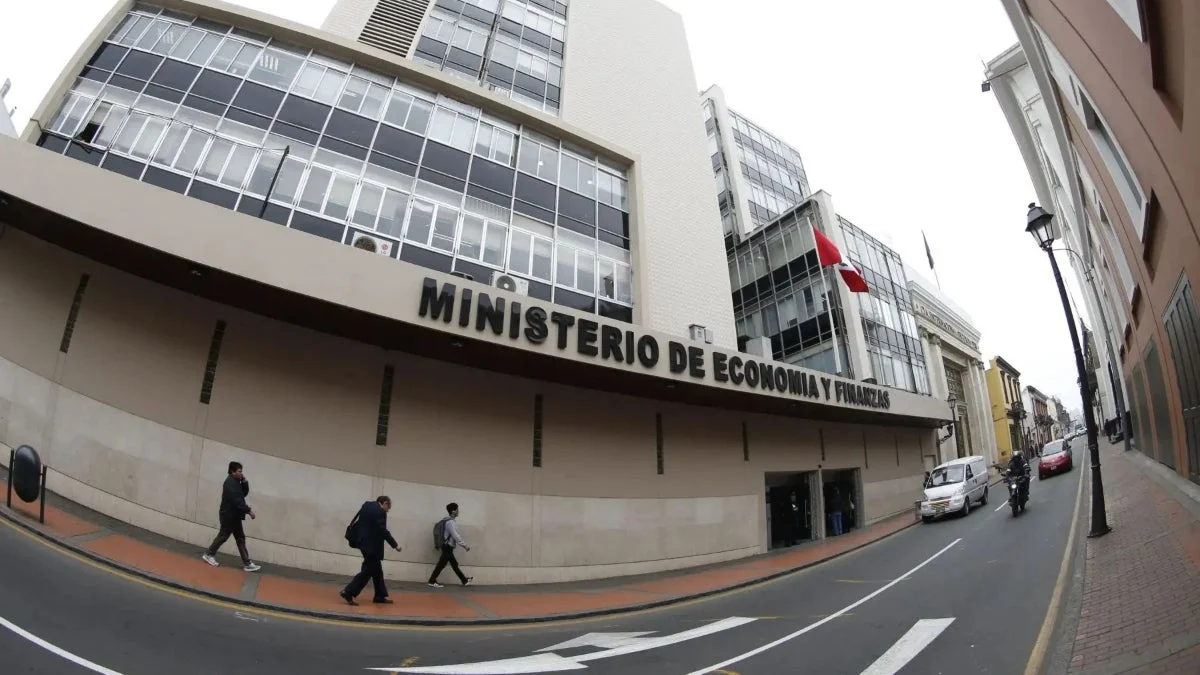
In a significant policy pivot aimed at revitalizing the national economy, the Peruvian government, under the administration of President Keiko Fujimori, has unveiled a strategic proposal to restructure the nation’s calendar. The initiative, championed by the Minister of Economy and Finance (MEF), Elmer Cuba, seeks to shift public holidays that fall between Tuesday and Friday to the nearest Monday. This move, which is slated for implementation starting next year, represents a calculated attempt to reconcile the often-conflicting interests of labor productivity and the burgeoning tourism sector.
Main Facts: The Government’s New Framework
The core of the proposal is structural efficiency. Under the current system, holidays falling mid-week often disrupt the "productive chain," forcing businesses to halt operations, restart, and struggle with intermittent workflows. By consolidating these breaks into three-day weekends, the Ministry of Economy and Finance aims to create a more predictable environment for commerce and industry.
Minister Elmer Cuba emphasized that the primary objective is to maintain continuity. "There are business activities that naturally extend into Saturdays," Cuba noted during a recent broadcast on Enfoque de los Sábados. "The goal is that any holiday falling between Tuesday and Friday is moved to Monday. This way, you avoid cutting the productive chain, allowing for sustained economic output throughout the work week."
This policy change is not merely a logistical adjustment; it is an economic strategy designed to provide stability for large corporations, medium-sized enterprises, and micro-businesses alike, all of which have historically suffered from the "stop-start" nature of mid-week public holidays.
Chronology of the Proposal
The discourse surrounding the optimization of the Peruvian holiday calendar has evolved significantly over the past several months:
- Initial Discussions: Early in the current administration, the Ministry of Economy and Finance identified the high number of dispersed public holidays as a drag on national GDP growth.
- The Shift in Strategy: Initially, the government considered different models of holiday management, including outright reductions. However, after consultations with trade unions and business associations, the focus shifted toward "relocation" rather than "cancellation."
- The Official Announcement: Minister Elmer Cuba formally introduced the "Monday-shift" proposal during a high-profile media appearance, framing it as a necessary evolution for the Peruvian labor market.
- Business Sector Endorsement: Shortly after the announcement, the Confederation of National Societies of Private Enterprise (CONFIEP) issued a formal statement of support, signaling a rare alignment between the executive branch and the private sector.
- Implementation Timeline: The government has confirmed that the changes will not be immediate. To allow for administrative and contractual adjustments, the new calendar will take effect starting in the next calendar year.
Supporting Data: The Case for Monday Shifts
To understand why the government is pushing this agenda, one must look at the data regarding labor productivity in Peru. For years, economists have cited the "mid-week holiday effect" as a deterrent to operational efficiency. When a holiday falls on a Wednesday, for example, the "bridge" effect often leads to reduced attendance and lower output in the days surrounding the break.
The Tourism Multiplier
The tourism sector, a vital pillar of the Peruvian economy, stands to gain significantly from the move. Long weekends are proven catalysts for domestic travel. When holidays are attached to the start of the week, families and individuals are more likely to take short-distance trips to regional destinations, boosting hospitality, local commerce, and transport services.
Productivity Metrics
According to internal analyses from the MEF, the volatility introduced by mid-week holidays costs the country millions in lost potential output. By clustering time-off, companies can better schedule maintenance, inventory checks, and complex projects that require a full, uninterrupted week of labor. This "Monday-shift" model mimics successful strategies implemented in other Latin American and European markets, where similar moves have led to increased revenue in the service and retail sectors without compromising the industrial base.
Official Responses and Stakeholder Perspectives
The proposal has ignited a national conversation, drawing responses from various corners of society.
The Business Stance: CONFIEP
Jorge Zapata Ríos, president of the CONFIEP, has been a vocal proponent of the change. In his assessment, the move is "a measure of practical common sense." Zapata Ríos argued that the shift is essential to addressing one of the most persistent hurdles in the Peruvian economy: low productivity. "It allows for longer weekends that benefit tourism and commerce, while minimizing the impact on the continuity of business operations," he stated. For the business community, this is viewed as a victory for pragmatism over rigid calendar traditions.
The Public Sentiment: A Divided Perspective
A recent field report by RPP journalists in the streets of Lima revealed a more nuanced, and sometimes skeptical, public reaction. While some citizens appreciate the potential for travel, others are wary of the impact on their routines.
- The Pro-Tourism View: One citizen noted that for those looking to travel, the predictability of a three-day weekend is an undeniable benefit. "If there is a plan to travel, then it is a clear win," they remarked.
- The Skeptical View: Conversely, some employees expressed concerns that moving a Friday holiday to a Monday might actually be less favorable for their personal lifestyle. "Usually, if a holiday falls on a Friday, you are already finishing your week; it’s a natural wind-down," one interviewee noted. "Moving it to a Monday feels like you’re just extending the start of the work week rather than gaining a meaningful break."
- The "Reduce, Don’t Move" Contingent: A segment of the population suggested that the government should look into reducing the number of holidays altogether, rather than simply shuffling them around, citing concerns that excessive holidays are a symptom of a stagnant work culture.
Economic and Social Implications
The implications of this policy shift are broad and will likely be felt across several layers of the Peruvian economy.
For the Private Sector
For businesses, the move provides a level of certainty that has been absent for years. Contracts, manufacturing timelines, and service delivery schedules will become easier to manage. By eliminating "mid-week voids," companies can maximize their machinery usage and human capital, potentially leading to higher wage capacity in the long run.
For the Tourism and Service Sector
This sector is the most immediate beneficiary. By creating a reliable schedule of three-day weekends, the Ministry is essentially "subsidizing" the domestic tourism industry. Hotels, restaurants, and tour operators can now market their services with the knowledge that a predictable number of long weekends will occur throughout the year, allowing for better inventory and staffing management.
For the Labor Force
The impact on workers is twofold. While those in the formal sector may enjoy the benefits of structured long weekends, the shift requires a period of social adjustment. The government’s challenge will be to ensure that the transition does not negatively affect those in the informal sector, who often rely on the flexible, albeit chaotic, nature of the current calendar to generate daily income.
Future Challenges
The success of this initiative will depend on the government’s ability to communicate the benefits effectively and monitor the outcomes once the policy goes into effect next year. There will undoubtedly be logistical hurdles, particularly in industries that operate 24/7 or in sectors where client-facing needs are dictated by international calendars rather than domestic ones.
Conclusion
The decision to reorganize Peru’s holiday calendar is a bold move that prioritizes economic efficiency and long-term planning. By aligning public holidays with the start of the week, the Fujimori administration is attempting to weave a more stable fabric for the national economy. Whether this policy will successfully bridge the gap between the needs of the productive sector and the leisure desires of the citizenry remains to be seen. However, as it stands, the government remains committed to this structural change, viewing it as a vital component of a modern, more competitive Peru. As the nation prepares for the upcoming year, the focus will now shift to the fine-tuning of this policy to ensure that the transition is as seamless as possible for all Peruvians.