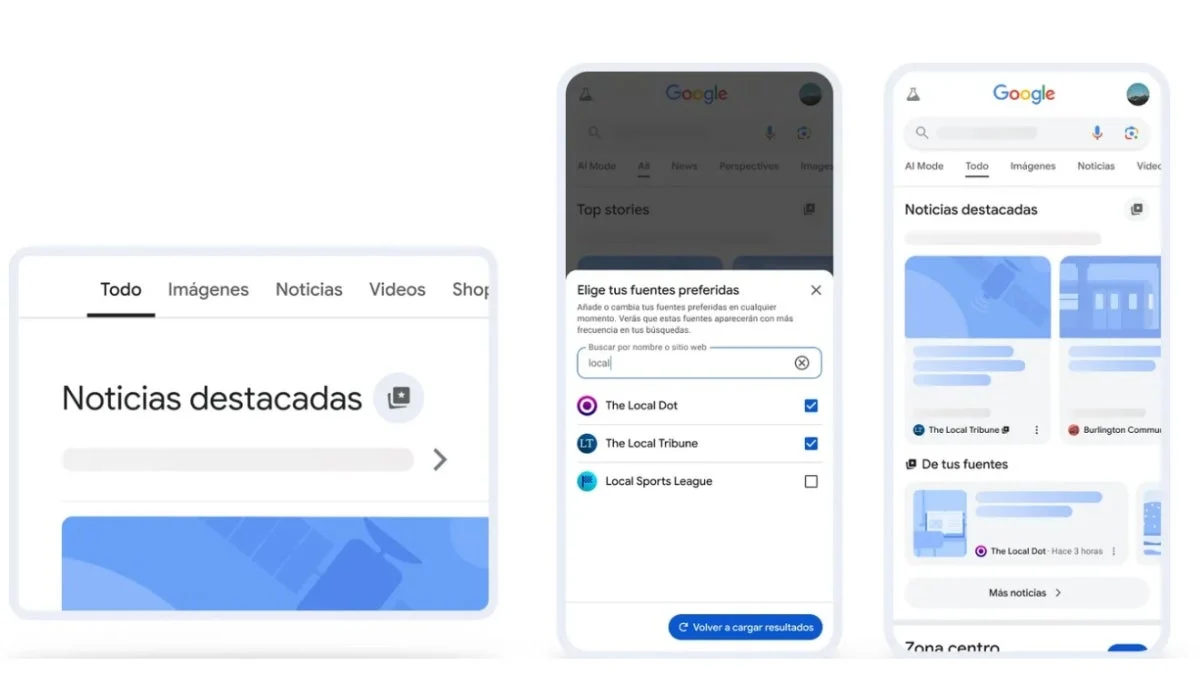
In an era defined by information overload, the challenge for the modern news consumer is no longer finding information, but curating it. As digital platforms evolve to meet the demands of users seeking efficiency and reliability, Google has introduced a significant update to its search engine architecture: the global rollout of "Preferred Sources." This feature represents a paradigm shift in how algorithms interact with user preferences, moving away from purely automated rankings toward a more personalized, human-centric content discovery experience.
For readers of RPP, this update offers a streamlined path to high-quality, rigorous journalism. By configuring your Google search settings, you can ensure that the news that matters to you—spanning national events, international analysis, and in-depth investigations—is prioritized in your daily search results.
The Evolution of Search: Understanding "Preferred Sources"
The digital landscape has long relied on sophisticated algorithms to determine the relevance of search results. However, the introduction of "Preferred Sources" acknowledges that relevance is often subjective. What one reader considers a vital news source, another might view differently.
Google’s decision to launch this feature globally—across all languages—is a direct response to the growing desire for user agency. By allowing individuals to designate specific media outlets as "Preferred," Google is essentially providing a tool to tune the "News" and "Top Stories" segments of its search engine. This feature does not merely act as a bookmark; it subtly shifts the weight of the algorithm to ensure that your chosen outlets appear with greater frequency and visibility when you query topics relevant to their coverage.
Why Prioritize RPP?
RPP has established itself as a cornerstone of information, characterized by its commitment to editorial rigor, on-the-ground reporting, and balanced analysis. By adding RPP to your list of preferred sources, you are not just customizing an interface; you are creating a digital environment that values journalistic integrity. This is particularly crucial during breaking news events, where the speed of information must be matched by its accuracy.
Chronology of the Update: From Beta to Global Standard
The rollout of "Preferred Sources" did not happen overnight. It was the result of months of testing and user feedback loops designed to ensure the feature was both intuitive and effective.
- Phase 1: Internal Development. Google engineers focused on creating a mechanism that could integrate user preferences without compromising the neutrality of the search index. The goal was to provide a "thumb on the scale" for the user, rather than an overhaul of the underlying SEO infrastructure.
- Phase 2: Regional Pilot Programs. Initially launched in select markets, the feature allowed Google to observe how users engaged with source prioritization. Data indicated that users were significantly more likely to engage with news items from sources they had manually curated.
- Phase 3: Global Deployment. Recognizing the success of the pilot, Google pushed the update to its global user base. This expansion ensures that regardless of the language or the region, users possess the same granular control over their information stream.
- Phase 4: Optimization and Integration. The current stage involves integrating these preferences into broader Google ecosystems, such as Google Discover, creating a unified experience across mobile and desktop interfaces.
How to Configure Your Feed: A Step-by-Step Guide
Taking control of your news consumption is a straightforward process that requires only a few minutes. To ensure that RPP remains at the forefront of your digital experience, follow these steps:

1. Direct Integration via Google Search
To begin the process, navigate to your Google Search Preferences. This link serves as a direct gateway to the configuration menu, where the system will identify the source and allow you to toggle the "Preferred" status. Once activated, the system updates your profile, and the algorithm begins adjusting your future search queries to favor RPP content.
2. Following RPP for Real-Time Updates
In addition to search prioritization, users can choose to "follow" RPP directly through their Google Profile. This action signals to the platform that you are a regular reader, which enhances the frequency with which RPP stories appear in your personal Discover feed—the customized news stream that greets users on the Google app.
3. Synchronizing Across Devices
One of the most powerful aspects of this update is the cross-device synchronization. Because your preferences are tied to your Google account, configuring your settings on a desktop computer will automatically propagate those settings to your Android or iOS devices. This ensures a consistent, high-quality news experience whether you are at your desk or on the move.
Beyond Search: The Role of Google Discover
While "Preferred Sources" addresses active searching, Google Discover addresses passive discovery. Discover is an AI-driven feed that anticipates the information you might find interesting based on your past search history and established preferences.
By intentionally setting RPP as a preferred source, you provide the AI with a "north star." Even if you are not actively searching for a specific topic, the Discover feed will prioritize RPP’s latest headlines, ensuring that you remain informed about the most important developments of the day without having to manually seek them out.
Implications for the Media Ecosystem
The shift toward user-curated content has profound implications for both media organizations and the broader public.
For the Reader: Combating Information Fatigue
The sheer volume of digital content can lead to "information fatigue." By curating a list of trusted, preferred sources, users can effectively filter out the "noise" and focus on news produced by organizations they trust. This creates a higher-quality experience and reduces the likelihood of encountering misinformation or low-quality clickbait.
For Media Organizations: The Value of Trust
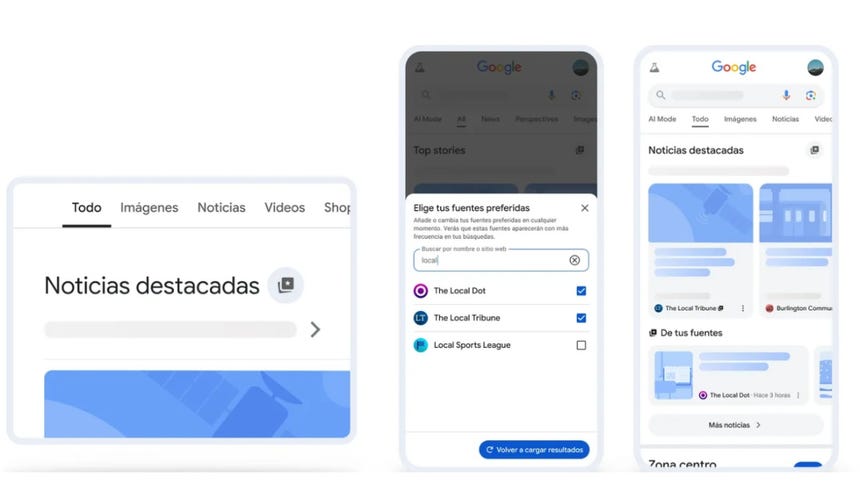
For outlets like RPP, this development reinforces the value of brand trust. In an algorithm-driven world, the relationship between a news organization and its audience is the ultimate currency. When readers take the time to manually configure their settings to see more of an outlet, it represents a high-level vote of confidence in the quality of that publication’s journalism.
For the Future of Digital Journalism
This update signals a broader trend in technology: the transition from "one-size-fits-all" platforms to hyper-personalized ecosystems. While critics sometimes argue that this could create "filter bubbles," proponents argue that it empowers users to prioritize high-quality journalism over sensationalist content. The responsibility, therefore, shifts to the user to choose sources that provide depth, nuance, and accuracy.
Conclusion: Take Ownership of Your Information
The digital age offers us unprecedented access to information, but it also demands that we become active curators of that information. The ability to prioritize RPP in your Google search results is more than a technical convenience; it is a tool for professional and personal development. By ensuring that your news feed is anchored in reliable, comprehensive reporting, you set yourself up to be better informed, more critical, and more engaged with the world around you.
As Google continues to refine its search algorithms, the "Preferred Sources" feature will likely become even more sophisticated. For now, it remains the most effective way to bridge the gap between human intent and machine efficiency. Take the step today to curate your feed, follow RPP, and ensure that your search results reflect the standards of quality you deserve.
Your news experience is yours to define. By taking these simple steps, you are not just changing your search results; you are committing to a higher standard of digital awareness.