As meteorologists and climate experts solidify their forecasts for a volatile 2026-2027 period, a disturbing reality has emerged from the heart of Peru’s administrative infrastructure. Despite clear warnings from the National Commission for the Study of the El Niño Phenomenon (ENFEN) regarding the intensity of the upcoming climate event, hundreds of municipal and regional governments remain paralyzed, leaving millions of citizens vulnerable to what could be an "extraordinary" natural disaster.
The Comptroller General of the Republic (CGR) has sounded the alarm: vast swaths of the country’s budget, explicitly earmarked for disaster prevention and infrastructure reinforcement, remain untouched in municipal accounts. As the clock ticks toward the predicted peak of the crisis, the lack of operational readiness—ranging from empty emergency warehouses to the absence of basic fluvial drainage—has become a flashpoint for national concern.
The Scientific Forecast: A "Strong to Extraordinary" Event
The urgency of the situation is rooted in the latest reports from ENFEN. The commission, which monitors the atmospheric and oceanic conditions of the Peruvian coast, has indicated that the impact of the current El Niño phenomenon will intensify significantly by late 2026, extending its influence well into the first months of 2027.
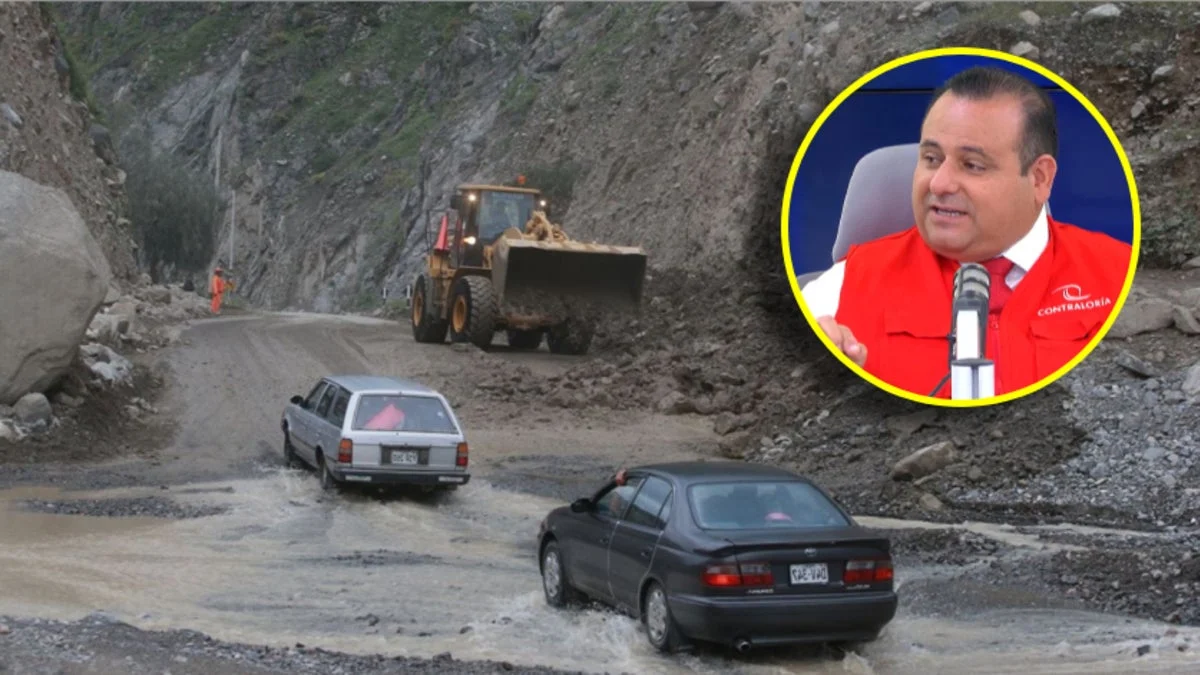
The technical outlook is stark. From August to September 2026, temperature anomalies are expected to maintain a "strong" classification. However, the period between October 2026 and February 2027 carries a more ominous forecast, with conditions projected to range from "strong to extraordinary." This classification implies not merely erratic weather, but the potential for catastrophic flooding, mudslides, and infrastructure collapse in regions that have historically struggled to cope with heavy rainfall.
The Fiscal Stagnation: A Nationwide Failure of Execution
Despite the availability of resources, the Comptroller’s data as of July 31 reveals a systemic failure in budget execution across the country. More than 300 municipalities have failed to utilize even 40% of their allocated budgets for projects aimed at reducing vulnerability to El Niño.
The figures are particularly damning:
- The Zero-Percent Club: A staggering 109 local governments have reported 0% budget execution for prevention projects. These include 17 districts in the Ancash region, 10 in San Martín, and 10 in La Libertad.
- Widespread Neglect: The remaining 208 municipal governments have managed only a meager execution rate of between 0.01% and 40%.
- Regional Concentration: The lack of progress is not isolated. Municipalities in Cajamarca, Piura, Ayacucho, Huancavelica, and Lambayeque lead the lists of entities failing to translate funds into tangible protections.
This fiscal paralysis extends beyond the municipal level. Nine regional governments—including Ancash, Callao, Ica, La Libertad, and Tumbes—have also failed to execute more than 40% of their disaster-preparedness budgets. Even national entities, such as the Ministry of the Interior, the Ministry of Defense, and the National Institute of Civil Defense (INDECI), have been flagged by the Comptroller for failing to meet their spending targets for essential disaster-mitigation supplies.
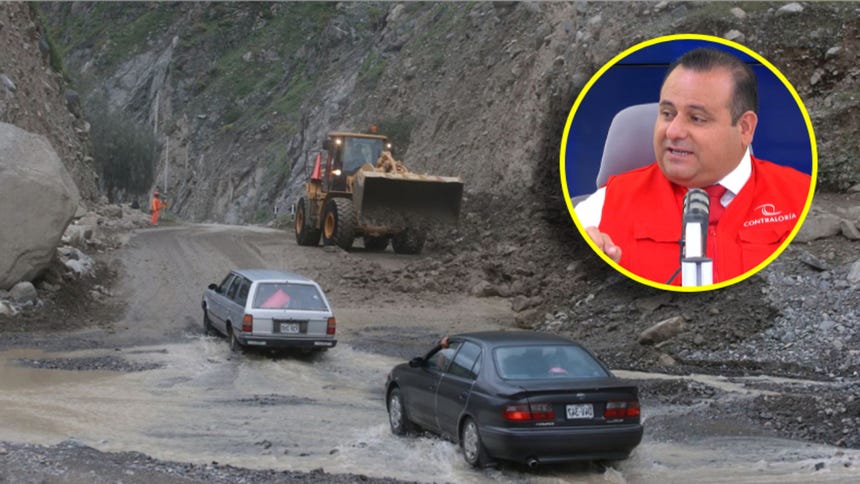
Luis Castillo: "Prevention Mitigates the Cost of Response"
Luis Castillo, the Comptroller’s spokesperson and manager of the Public Utilities Control division, has been vocal about the implications of this inaction. In an interview with RPP, Castillo emphasized that the "wait and see" approach adopted by many local authorities is a strategic blunder of the highest order.
"The resources provided for prevention are designed to avoid the much higher costs of emergency response," Castillo stated. "When we ask why the money hasn’t been spent, the standard answer is: ‘The emergency hasn’t arrived yet.’ This is a grave misunderstanding of the duty of public office."
Castillo highlighted that the legal framework for the national budget was intentionally flexible, allowing local governments to reallocate up to 20% of their funds to address immediate preventative needs. Yet, the money remains in bank accounts, while the physical hazards—clogged riverbeds, eroding embankments, and unprotected slopes—remain unaddressed.
"If we clear a ravine or reinforce a critical point, we aren’t just protecting property; we are saving lives," Castillo noted. "The failure to act is a direct invitation to tragedy."
Critical Infrastructure Gaps: Tumbes to Lambayeque
The absence of a comprehensive strategy is most evident in the total lack of fluvial drainage systems in key northern regions. Areas like Tumbes, Piura, Lambayeque, and La Libertad, which are historically the hardest hit by El Niño-related rains, currently operate without a modern drainage network.
In Piura, while the municipal government is attempting to construct a makeshift system to capture rainfall, the long-term, high-capacity infrastructure project originally intended for the area remains stuck in the "technical study" phase under the National Authority for Infrastructure (ANIN). The lack of progress is even more pronounced along the Rimac River, where vital protective works remain in the planning stages, years after the need was identified.
Furthermore, the "first response" capacity is severely compromised. During site visits, the Comptroller found that municipal warehouses intended to store tents, blankets, food, and tools for disaster relief were largely empty. While INDECI manages the national stockpile, local governments are legally and logistically responsible for the first line of defense. According to the Comptroller, those local warehouses are currently unequipped to handle a crisis of the magnitude predicted for 2027.
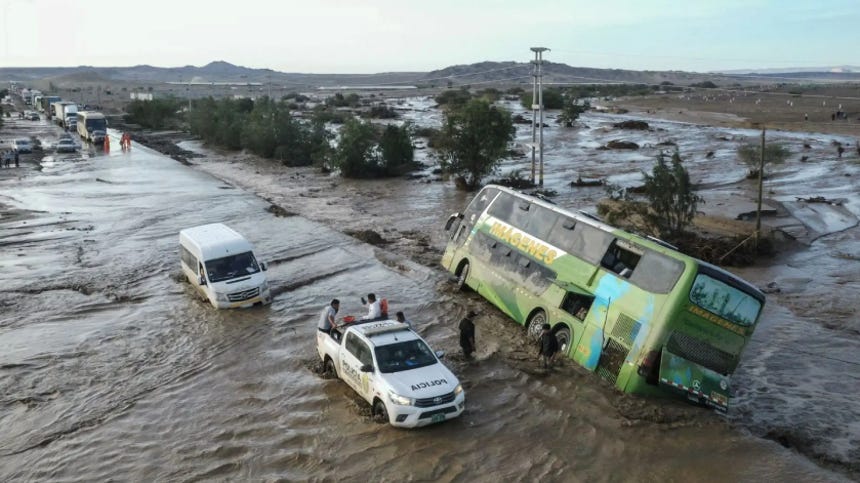
Regional Case Study: The Vulnerability of Lambayeque
The situation in Lambayeque serves as a microcosm of the national crisis. With over 1.3 million residents, the region is at extreme risk. Recent audits found that 17 municipal districts have executed less than 49% of their prevention budget.
Districts such as Santa Rosa, Eten, and Chóchope have hit 0% progress. Major urban centers like Chiclayo have managed only 30% execution, leaving the city’s drainage and road infrastructure susceptible to total failure during heavy rains. For a region that already suffers from persistent poverty and aging infrastructure, this lack of foresight is particularly dangerous.
The Road Ahead: Implications and Accountability
The implications of this administrative inaction are profound. If the 2026-2027 El Niño arrives with the intensity predicted, the resulting destruction will likely overwhelm the national government’s ability to respond. Without the local mitigation efforts that the budget was intended to fund, the state will be forced into a reactive mode, spending significantly more on emergency aid and reconstruction than it would have spent on preventive infrastructure.
The Comptroller’s office has signaled that it will continue to monitor these accounts, but the political pressure is mounting. As the seasonal rains approach, citizens are left to wonder: will their local authorities prioritize fiscal bureaucracy, or will they finally unlock the resources necessary to protect their communities from the impending storm?
The consensus among experts is clear: the time for studies and administrative delay has passed. The fiscal data serves as a final warning. If the funds continue to languish in municipal accounts while the skies begin to darken, the responsibility for the human and economic cost of the upcoming El Niño will rest squarely on the shoulders of the mayors and regional governors who failed to act when they had the chance.