Introduction: A Strategic Alliance for Public Security
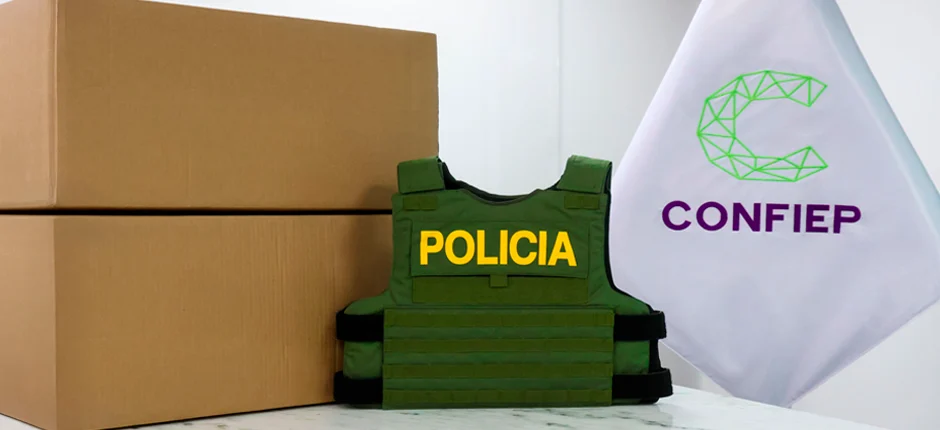
In a significant development aimed at curbing the escalating tide of organized crime and urban insecurity in Peru, the National Confederation of Private Business Institutions (CONFIEP) has formally delivered a substantial shipment of ballistic vests to the Peruvian National Police (PNP). This initiative, conducted under the umbrella of an Interinstitutional Cooperation Agreement signed with the Ministry of the Interior, represents a pivotal moment in the synergy between the private sector and state security apparatus.
As the nation grapples with sophisticated criminal syndicates, the necessity for well-equipped, protected, and technologically advanced law enforcement has never been more pressing. By providing critical protective gear, the business sector is signaling its commitment to safeguarding the economic and social stability of the country, recognizing that public safety is the bedrock upon which national development is built.
The Core Facts: Strengthening the DIVIIC-DIRNIC
The recent donation focuses specifically on the personnel of the Intelligence Division of the National Directorate of Criminal Investigation (DIVIIC-DIRNIC). These officers represent the "tip of the spear" in the police force, often operating in high-risk environments while conducting covert surveillance and investigative operations against dangerous criminal organizations.
The ballistic vests provided are engineered to meet modern international standards for ballistic protection, ensuring that officers tasked with infiltrating or dismantling criminal networks have the physical protection necessary to perform their duties effectively. Beyond the vests, the initiative is part of a broader, multi-faceted campaign by the business community to modernize the PNP’s operational arsenal. This includes plans and ongoing efforts to supply drones for aerial surveillance, high-performance computing systems for data analysis, and various other tactical supplies essential for modern intelligence gathering.
Chronology: A Sustained Commitment to Security
The delivery of these vests is not an isolated act of corporate social responsibility; it is the latest chapter in an ongoing strategic partnership. To understand the depth of this engagement, one must look at the timeline of cooperation:
- The Inception of the Agreement: The formalization of the Interinstitutional Cooperation Agreement between CONFIEP and the Ministry of the Interior laid the groundwork for this collaboration. This legal framework was designed to bypass bureaucratic bottlenecks, allowing the private sector to directly support state security needs.
- The Pilot Phase (GRECCO Support): Prior to the current delivery, CONFIEP initiated its support by providing administrative and logistical equipment to the Special Group Against Organized Crime (GRECCO). This initial phase focused on bolstering the administrative backbone of specialized police units, recognizing that intelligence-led policing is only as effective as the infrastructure supporting it.
- Expansion of Scope: Following the successful pilot with GRECCO, the collaboration expanded. The current donation to the DIVIIC-DIRNIC represents an evolution from purely administrative support to direct operational protection, demonstrating an increasing level of trust and coordination between the Ministry of the Interior and the private sector.
- The Present Moment: The recent handover of ballistic vests serves as a milestone in this timeline, marking the scaling up of material support as the Ministry of the Interior intensifies its crackdown on extortion, kidnapping, and transnational criminal organizations.
Supporting Data: The Climate of Insecurity
The urgency behind this partnership is fueled by stark data regarding the security landscape in Peru. Recent reports from the Ministry of the Interior and various research institutions indicate a rise in criminal activity that targets both citizens and local businesses.
The Economic Cost of Crime
For the private sector, the implications of insecurity are profound. Extortion rackets targeting small businesses, transportation companies, and construction sites have reached unprecedented levels. When the cost of doing business includes "security taxes" paid to criminal gangs, the economy suffers, inflation spikes, and foreign investment hesitates.
Technical Requirements of Modern Policing
The DIVIIC-DIRNIC requires a specific set of tools to counter these trends. Intelligence work is no longer limited to foot patrols; it requires the processing of massive datasets to track financial flows of illicit actors. The inclusion of computers and drones in the CONFIEP donation package is a direct response to the "digitalization of crime." Criminal organizations are using encrypted messaging and digital financial tools; therefore, the police must be equipped with superior hardware to intercept and analyze these threats.
Official Responses: Aligning Public and Private Interests
The collaboration has been met with positive reception from both the state and the leadership of the private sector.
The Perspective of the Ministry of the Interior
Government officials have consistently emphasized that the state cannot tackle the complexities of modern crime alone. During the ceremony, representatives of the Ministry of the Interior highlighted that the support from CONFIEP allows the police to allocate their budget toward areas that are harder to source through private donations, such as personnel training and long-term intelligence strategies. By outsourcing the procurement of specific physical assets to the private sector, the Ministry creates a "force multiplier" effect.
The Business Perspective: A Stake in Stability
Leaders from CONFIEP have stated that their involvement is a matter of national interest. "Our members operate within the same society that is being threatened," one representative noted. The business sector argues that their contribution is not charity, but a strategic investment in the Rule of Law. By helping the police, they are ensuring a safer environment for workers, consumers, and stakeholders. Furthermore, the transparency of the agreement ensures that all equipment is audited and accounted for, preventing the misuse of resources.
Implications: The Future of Public-Private Partnerships
The partnership between CONFIEP and the Ministry of the Interior sets a precedent that could redefine how security is managed in emerging economies.
1. Enhanced Operational Readiness
With the influx of new protective equipment and technology, the DIVIIC-DIRNIC can expect a measurable increase in operational tempo. Officers who are better protected are more likely to take calculated risks in high-stakes environments, potentially leading to more successful raids and arrests.
2. A Model for Collaborative Security
This model of "Collaborative Security" moves beyond the traditional view of the state as the sole provider of security. In an era where criminal organizations are often better funded than some government agencies, the integration of private-sector resources—provided they remain under state control and ethical oversight—could be the key to regaining control of the streets.
3. Long-term Strategic Challenges
While the initiative is positive, experts warn of the long-term challenges. Sustainability is key. Private donations cannot replace the structural responsibility of the state to fund its police force through tax revenue. Therefore, this partnership must be viewed as a bridge—a way to bolster the PNP during a period of crisis while the state works to implement deeper reforms in its own budgetary and logistical processes.
4. Ethical and Democratic Considerations
The engagement of private entities in state security activities naturally invites scrutiny. Critics often worry about the potential for corporate interests to influence police priorities. However, both the Ministry of the Interior and CONFIEP have stressed that the agreement is governed by strictly defined protocols. The equipment is donated to the state, and the state retains full autonomy over how, where, and against whom the equipment is deployed. Maintaining this distinction is essential to preserving the integrity of the Peruvian National Police.
Conclusion: A United Front Against Crime
The delivery of ballistic vests to the DIVIIC-DIRNIC by CONFIEP is more than a simple logistics operation; it is a manifestation of a country rallying together to confront a shared threat. By leveraging the logistical efficiency of the private sector to support the specialized needs of the police, Peru is demonstrating a pragmatic and proactive approach to law enforcement.
As the campaign to provide drones, computers, and protective gear continues, the focus will likely shift toward evaluating the impact of this equipment on crime statistics. If this partnership succeeds in reducing the reach of criminal syndicates, it may serve as a blueprint for other nations in the region facing similar challenges. Ultimately, the success of this initiative rests on the continued transparency of the cooperation and the bravery of the officers who utilize this equipment on the front lines to defend the peace and security of all Peruvians.