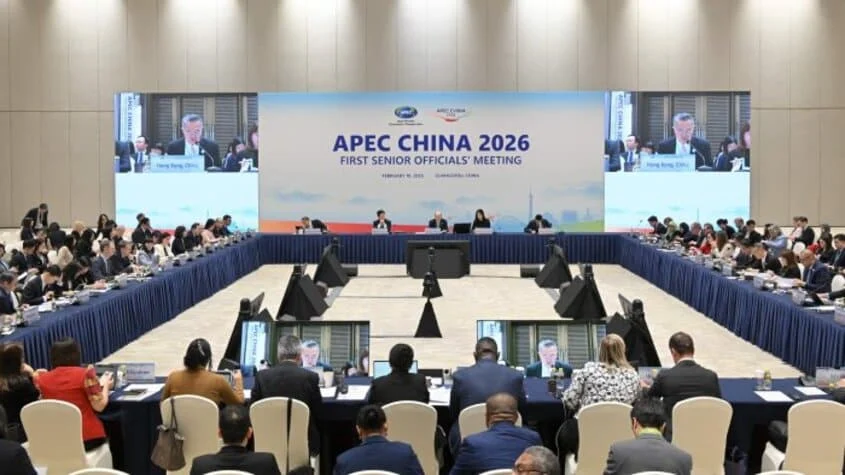
In a significant validation of its ongoing economic modernization efforts, Peru has successfully undergone a voluntary peer review conducted by the Asia-Pacific Economic Cooperation (APEC). The process, specifically titled Peer Review and Capacity Building on APEC Infrastructure Development and Investment: Peru, serves as an international audit of the nation’s mechanisms for planning, selecting, and executing large-scale infrastructure projects. According to official reports from ProInversión, the evaluation has yielded positive results, signaling that Peru’s recent legislative overhaul—most notably the implementation of Law N° 32441—is aligning the country with high-standard international practices.
Main Facts: The Recognition of Regulatory Evolution
The APEC peer review mechanism is designed to support member economies by stress-testing their policy frameworks against global benchmarks. By participating voluntarily, Peru invited a panel of experts from fellow APEC member states to scrutinize its infrastructure ecosystem.
The findings highlight that Peru has made substantial progress in modernizing its Public-Private Partnership (PPP) framework. Central to this success is Law N° 32441, a legislative milestone that has redefined the institutional architecture of ProInversión. This law was not merely a bureaucratic adjustment; it was a structural reform aimed at centralizing expertise, enhancing governance, and streamlining the approval process for public works. By clarifying roles and responsibilities within the government, the new framework reduces the "red tape" that historically hindered capital deployment, making Peru a more attractive destination for international investors looking for long-term stability.
Chronology: The Path to Reform
The journey toward this international recognition did not happen in a vacuum. It is the culmination of a multi-year effort to stabilize and optimize the national investment landscape.
- Pre-2023: Recognition of the "infrastructure gap" became a priority for the Peruvian government. Historically, the country faced challenges with project bankability and institutional fragmentation, leading to delays in essential transport, water, and energy projects.
- Late 2023 – Early 2024: The legislative branch, in coordination with technical advisors, began drafting reforms aimed at decentralizing specific processes while tightening the oversight of project life cycles.
- The Enactment of Law N° 32441: This became the cornerstone of the government’s infrastructure strategy. It mandated stricter compliance standards, integrated risk-sharing mechanisms, and fostered a more transparent environment for private sector participation.
- Mid-2026: Peru formally invited the APEC infrastructure panel to conduct the peer review. This phase involved intense workshops, data submission, and on-site assessments of how ProInversión handles complex bidding processes.
- August 2026: The official announcement of the review’s positive outcomes, cementing Peru’s position as a regional leader in infrastructure policy reform.
Supporting Data: Infrastructure as a Lifecycle Investment
A pivotal shift noted by the APEC review committee is Peru’s movement away from the "lowest-cost-first" mentality. Historically, public works were often awarded based on the immediate sticker price, a practice that frequently resulted in increased maintenance costs, technical failures, and public dissatisfaction down the road.

The current Peruvian approach, bolstered by the new regulatory framework, emphasizes "Quality Infrastructure." This philosophy considers the entire lifecycle of a project:
- Design Phase: Incorporating sustainability and climate resilience.
- Implementation: Transparent, competitive bidding that ensures value for money.
- Operation and Maintenance: Long-term performance metrics that ensure the infrastructure serves the public for decades, not just years.
By adopting this holistic view, Peru is aligning itself with the APEC Connectivity Blueprint, which encourages member economies to prioritize projects that facilitate trade, integrate supply chains, and boost human productivity. The data suggests that as these reforms take root, the volatility in project delivery timelines is expected to decrease significantly, potentially unlocking billions in locked private capital.
Official Responses and Stakeholder Perspectives
Representatives from ProInversión have characterized the APEC review as a "vote of confidence" in the Peruvian economy. In official statements, the agency highlighted that the peer review process did more than just audit the system—it served as a capacity-building exercise. By engaging with peers from other high-growth Asia-Pacific nations, Peruvian technical teams have gained access to best practices in risk mitigation and stakeholder management.
"The endorsement from APEC validates that we are on the right track," a spokesperson for the investment agency noted. "Law N° 32441 was designed to provide the legal certainty that international investors crave. When we combine this with the peer-reviewed methodology, we are essentially signaling to the world that Peru is a mature, reliable partner for long-term infrastructure investment."
Private sector stakeholders, including international construction firms and financial institutions, have also reacted with cautious optimism. While the regulatory framework is now viewed as world-class, the industry continues to monitor the practical application of these laws, particularly regarding how the government manages land acquisition and social consultation—the two most frequent hurdles for large projects in the Andean nation.

Implications: A New Era for Peruvian Infrastructure
The successful peer review carries profound implications for Peru’s economic trajectory.
1. Attracting Foreign Direct Investment (FDI)
Global investors—particularly pension funds and infrastructure-focused private equity firms—prioritize countries with stable, transparent regulatory frameworks. The APEC seal of approval functions as a "de-risking" signal, which may lower the cost of capital for future Peruvian projects.
2. Bridging the Infrastructure Gap
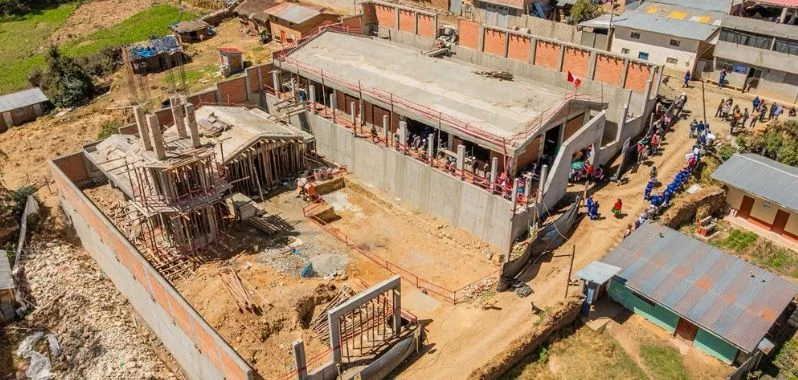
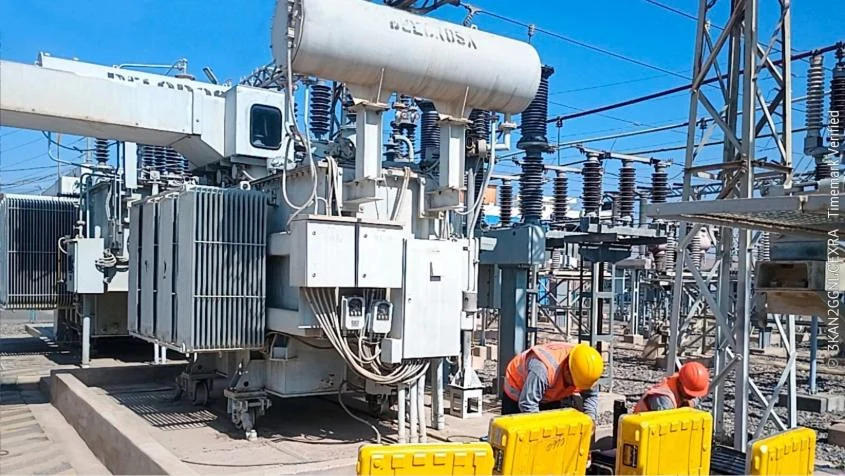
Peru currently faces a significant deficit in physical connectivity, particularly in the logistics and transportation sectors. By streamlining the PPP process, the government is better positioned to launch large-scale projects, such as regional port expansions, modernization of the national rail network, and the integration of smart-energy grids.
3. Regional Leadership
By actively participating in and successfully passing the APEC peer review, Peru has positioned itself as a model for other emerging economies. It demonstrates that political will, when paired with technical rigor, can transform an investment climate from opaque to transparent.
4. Long-term Socio-economic Stability
Infrastructure is the backbone of social mobility. Reliable, high-quality projects connect rural populations to urban markets, provide clean water to underserved communities, and ensure that the energy grid can support a modernizing industrial base. The shift toward "lifecycle-focused" investment ensures that these improvements will be sustainable, reducing the fiscal burden on future generations.

Conclusion
The recognition provided by the APEC review is a testament to Peru’s resilience and strategic foresight. While the passage of Law N° 32441 was the first step, the integration of these principles into the daily operations of ProInversión and other government entities represents a permanent shift in how the country views its own development.
As the global economy faces increasing uncertainties, countries that demonstrate institutional maturity and a commitment to transparent, high-quality infrastructure will inevitably rise to the top of investor priority lists. Peru has effectively laid the foundation for such a rise. The task moving forward will be consistent execution—ensuring that the policies praised by the international community translate into shovels in the ground, bridges built, and a more connected, competitive nation for all its citizens.
The collaborative nature of this APEC initiative underscores a broader truth: no economy can build its future in isolation. By opening its doors to international scrutiny and embracing the feedback of its peers, Peru has signaled that it is ready to compete on the global stage, armed with a modern, robust, and investor-friendly infrastructure framework.