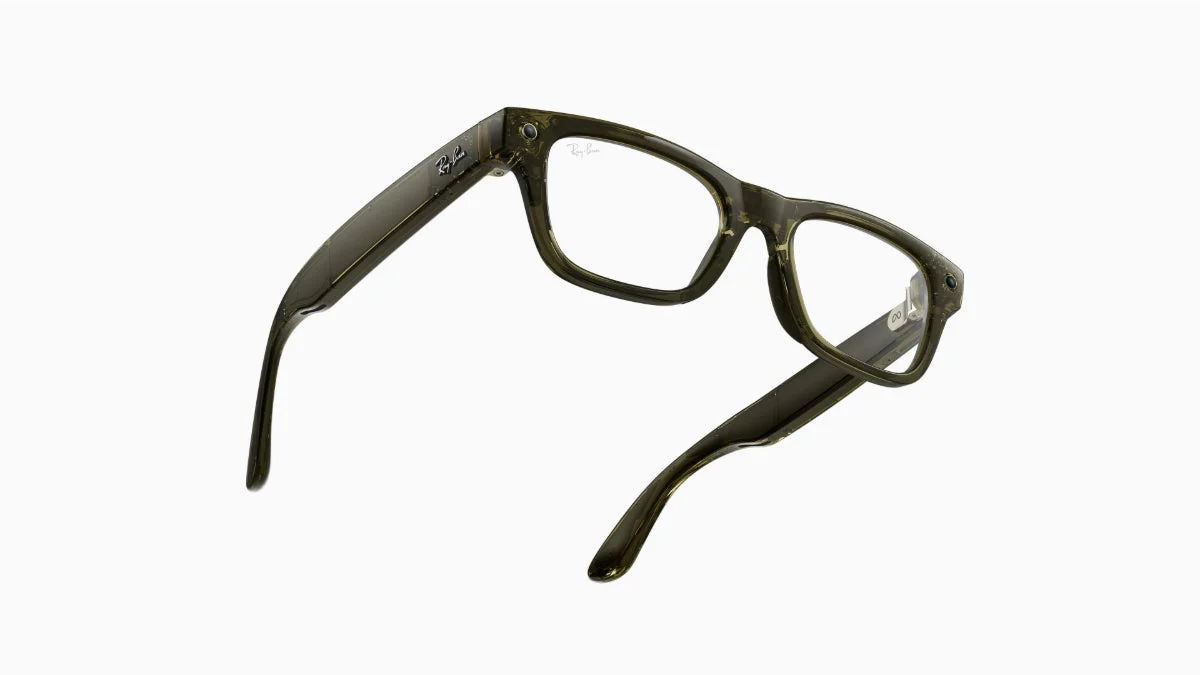
The landscape of wearable technology in Peru has officially shifted. In a move that bridges the gap between high-end fashion and cutting-edge silicon, Meta—in collaboration with EssilorLuxottica—has launched its highly anticipated line of smart glasses, featuring the iconic Ray-Ban and performance-driven Oakley brands. This launch marks a significant milestone for the Peruvian consumer market, bringing sophisticated artificial intelligence (AI), high-fidelity audio, and first-person visual capture into the realm of everyday eyewear.
Main Facts: A New Era for Eyewear
The newly released collections, specifically the second-generation Ray-Ban Meta and the specialized Oakley Meta series, are not merely accessories; they are sophisticated computing devices disguised as classic frames.
At the core of these devices is a 12-megapixel ultra-wide-angle camera capable of capturing high-definition photos and videos from the user’s point of view. This "first-person" perspective allows creators and everyday users to document their lives without the intrusive barrier of a smartphone held in front of their faces. Complementing the visual capabilities are discrete, open-ear speakers integrated into the temples, designed to provide high-quality audio for music, podcasts, and calls while ensuring the user remains aware of their ambient environment.
Perhaps most significantly, the integration of Meta AI transforms these glasses into an active assistant. By using voice commands, users can interact with their surroundings—asking the AI for information about an object in their line of sight, requesting real-time translations of foreign text, or managing device settings hands-free.
Chronology: From Concept to Peruvian Retail
The journey of the Meta smart glasses began with the initial partnership between Meta and EssilorLuxottica in 2021, which produced the first-generation Ray-Ban Stories. While groundbreaking, those early models were seen as a proof-of-concept.
- September 2023: Meta announced the second generation of Ray-Ban Meta glasses at its Connect conference, highlighting significant improvements in battery life, camera quality, and the introduction of the multimodal Meta AI.
- Early 2024: Global expansion began, with Meta slowly rolling out the product to major markets in North America and Europe.
- July 2026: The official launch in Peru. The expansion into the Andean region underscores the growing demand for premium tech-integrated fashion in South America. The products are now available through the extensive network of EssilorLuxottica stores across the country, marking the first time these high-tech frames are officially supported within the local market infrastructure.
Supporting Data and Technical Specifications
The technology packed into these frames is impressive given the form factor. Below are the key technical details for the various models now available in Peru:
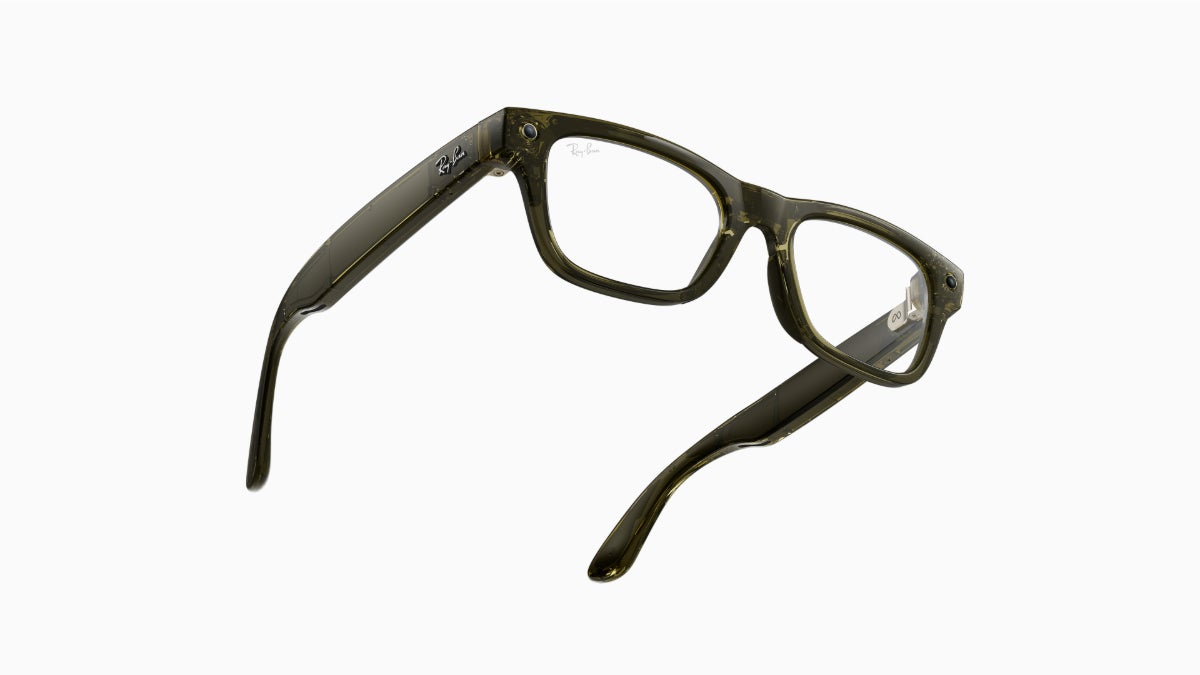
Ray-Ban Meta Series
The lifestyle-focused Ray-Ban collection includes the timeless Wayfarer, the sophisticated Headliner, and the modern Skyler.
- Optics: Users can choose between clear, polarized, or Transitions (photochromic) lenses.
- Prescription Integration: With the introduction of the "Optics" line, including the Blayzer and Scriber models, users can finally incorporate their specific prescription requirements, making these viable for full-time daily use.
- Price Point: The standard Ray-Ban Meta collection starts at S/ 1,690, while the prescription-ready "Optics" versions start at S/ 1,890.
Oakley Meta Series
Designed for the active lifestyle, the Oakley range emphasizes durability and performance.
- Vanguard Model: These are the flagship sports frames. They feature an IP67 rating, meaning they are highly resistant to both water and dust. They are equipped with PRIZM lens technology, known for enhancing color and contrast, and include advanced wind-noise reduction, making them ideal for cycling, running, or outdoor trekking.
- HSTN Model: A more casual but still performance-oriented frame with an IPX4 water-resistance rating.
- Price Point: The Oakley Meta Vanguard, the most advanced model in the collection, enters the market at S/ 2,190.
Official Perspectives and Market Strategy
EssilorLuxottica has positioned this launch as a "lifestyle-first" approach. Unlike earlier attempts at smart eyewear—such as the ill-fated Google Glass—which often looked clinical or overly technical, the Meta collection prioritizes the aesthetic heritage of Ray-Ban and Oakley.
"We are not asking people to wear a computer on their face; we are asking them to wear their favorite glasses, which happen to be smart," a representative from the distribution network noted. The strategy is to leverage the existing trust and brand equity of these legacy names to lower the barrier of entry for smart technology. By partnering with local opticians and high-end fashion retailers, the companies aim to ensure that customers can receive professional fittings, which is crucial for the success of wearable technology.
Implications: The Social and Ethical Landscape
The arrival of these glasses in Peru brings with it a complex set of social and ethical considerations that are becoming standard in the age of ambient computing.
Privacy and the "First-Person" Gaze
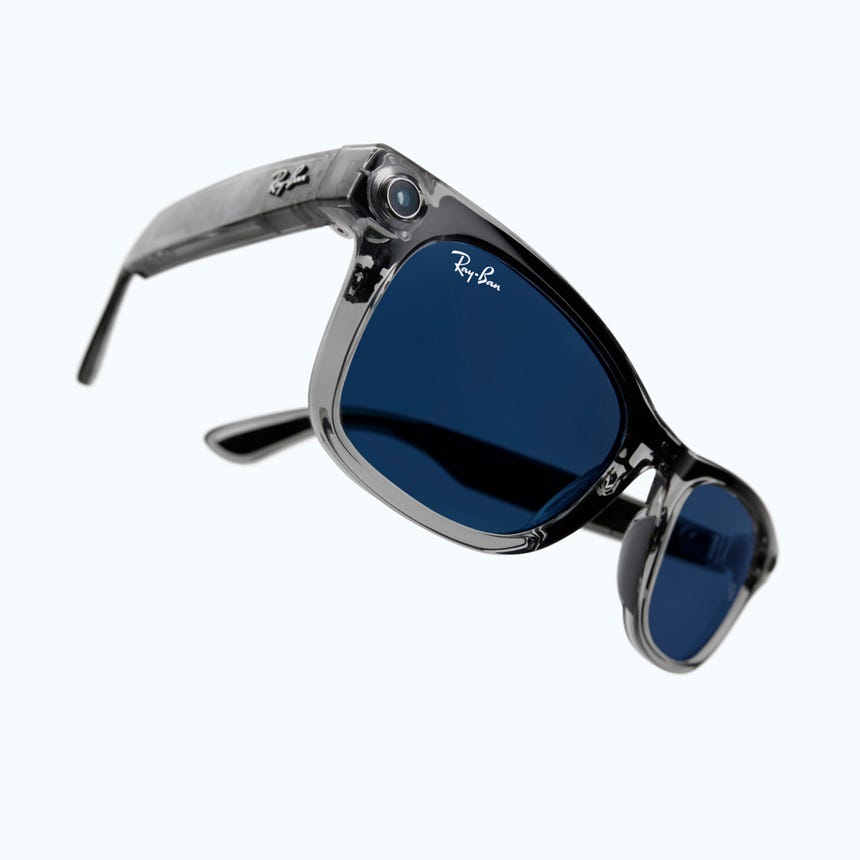
The most significant debate surrounding smart glasses is the privacy of those being filmed. Meta has implemented a physical "recording LED" on the front of the frame that illuminates when the camera is active. While this provides a visual cue to bystanders, it has prompted discussions among privacy advocates in Peru regarding the nuances of public surveillance and consent in urban environments.
The Shift in Human-Computer Interaction (HCI)
The integration of Meta AI represents a paradigm shift in how we interact with information. By offloading search and inquiry tasks to a voice-based AI, users are no longer required to look down at a screen. This "heads-up" interaction style could potentially reduce the "screen-time" dependency that has defined the last decade of human behavior. However, it also introduces the risk of sensory overload if not managed correctly.
Impact on the Local Tech Ecosystem
For the Peruvian tech sector, this launch serves as a signal that the market is ready for high-end, AI-integrated hardware. It encourages local developers and retailers to think beyond the smartphone. As these devices gain traction, we may see an increase in local app development that utilizes the camera feed or the audio output of these frames, potentially opening doors for augmented reality (AR) applications that are tailored to the Peruvian context, such as interactive historical tours or localized navigational aids.
Conclusion: A Vision for the Future
The launch of Ray-Ban and Oakley Meta in Peru is more than just a retail event; it is a preview of a future where digital intelligence is woven into the very fabric of our personal accessories. While the price points reflect their status as premium products, the value proposition—a combination of legendary style, high-end optical quality, and the most advanced AI currently available—is compelling.
As consumers begin to integrate these frames into their daily lives, from the office to the mountain trails of the Andes, we will begin to see the true utility of "smart" eyewear. Whether they become as essential as the smartphone or remain a niche luxury for early adopters, one thing is clear: the way we view the world—and how we record it—has been permanently altered. For those in Peru interested in testing the limits of this technology, the future is now available at local EssilorLuxottica stores.