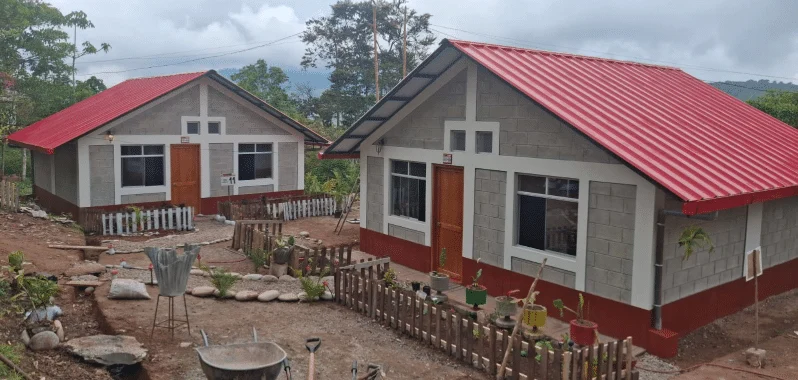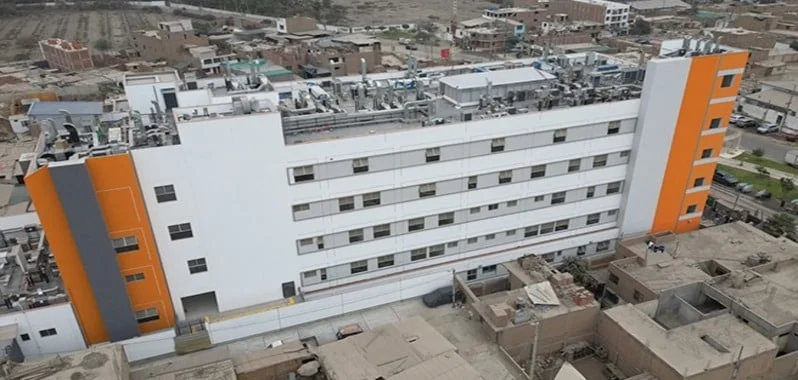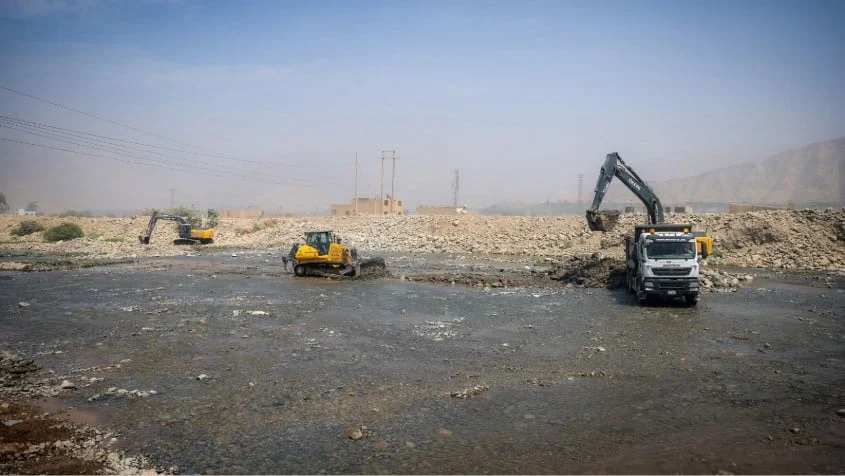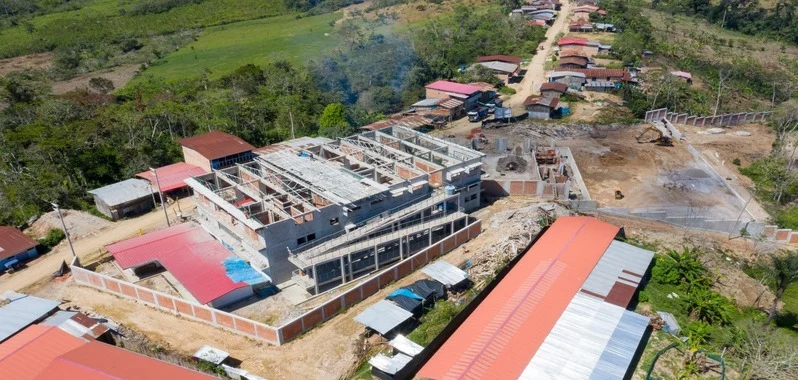
Moyobamba, San Martín – A significant milestone in regional educational infrastructure is nearing completion in the heart of the Peruvian Amazon. The construction of the new school facility for I.E. No. 00835, located in the rural community of Nuevo Huancabamba, has officially surpassed the 60% completion threshold. This ambitious project, spearheaded by the Regional Government of San Martín, represents a pivotal investment in the future of the region, promising to bridge the gap between rural educational standards and modern functional requirements.
With a total investment budget of 17 million soles, the initiative is not merely a construction project; it is a comprehensive overhaul designed to uplift the socio-economic fabric of the area. By focusing on both pedagogical space and essential sanitation infrastructure, the project serves as a model for how regional governments can foster development in remote areas through targeted infrastructure spending.
Main Facts: A Project of Scale and Scope
The project aims to provide a state-of-the-art educational environment for thousands of residents and students. As of the latest technical reports, the construction has reached an advancement level of 60.27%. This progress places the project firmly in its final phase of architectural execution and interior detailing.
Key technical highlights include:
- Total Investment: 17,000,000 soles.
- Beneficiaries: 2,795 residents and students from Nuevo Huancabamba and surrounding communities.
- Core Objective: Improving educational quality through modern infrastructure and robust sanitation systems.
- Current Status: Over 60.27% completion.
The school is designed to move away from traditional, outdated classroom layouts. Instead, it incorporates modern pedagogical environments that prioritize natural light, ventilation, and modular spaces that allow for dynamic learning activities. The administrative wing has been similarly redesigned to optimize the efficiency of the school’s management team, ensuring that educators can focus on their primary mission: teaching.

Chronology: From Planning to Execution
The journey of I.E. No. 00835 has been one of persistent effort by local stakeholders and regional planners. The project was conceived following extensive assessments of the rural educational landscape in Moyobamba, where authorities identified that aging infrastructure was severely limiting student potential.
- Phase I: Needs Assessment and Feasibility (2023-2024): Regional engineers and educational specialists conducted surveys to determine the specific requirements of the Nuevo Huancabamba community. The decision was made to prioritize water and sanitation alongside classroom construction.
- Phase II: Funding and Bidding: The Regional Government of San Martín secured the 17-million-sol allocation, ensuring that the project would be shielded from typical budgetary fluctuations.
- Phase III: Groundbreaking and Early Construction (Late 2025): The mobilization of heavy machinery and the laying of foundations marked the beginning of physical construction.
- Phase IV: Structural Advancement (Current Period): The project is currently in the "recta final" (final straight), where interior finishes, electrical installations, and the integration of sanitation systems are being finalized.
Supporting Data: Infrastructure Beyond the Classroom
A distinctive feature of this project, and one that sets it apart from standard educational construction, is its holistic approach to community well-being. Recognizing that an educational environment is only as healthy as the community that surrounds it, the planners have integrated a sophisticated water and sanitation system.
Water Security
The school will feature a dedicated pozo tubular (tubular well) and an elevated water tank, ensuring a reliable supply of potable water. This is a significant upgrade for a rural school, where water scarcity has historically disrupted the academic calendar. The system is designed to provide 24/7 water access, effectively eliminating the risks associated with intermittent supply.
Waste Management
Recognizing the environmental sensitivity of the Moyobamba region, the project includes an advanced wastewater treatment system. This comprises:
- Septic Tanks: Engineered to handle the volume of waste generated by the student population, ensuring that raw sewage does not impact the local soil or water table.
- Percolation Pits: Designed to allow treated water to seep back into the earth safely, mitigating environmental degradation.
This commitment to sustainable engineering reflects a modern understanding of rural development: one that respects the environment while providing the necessary infrastructure to maintain public health standards.

Official Responses and Strategic Importance
The regional government views the I.E. No. 00835 project as a cornerstone of its wider "Educational Modernization Strategy." Speaking on behalf of the project’s objectives, regional representatives have emphasized that the investment is not just about concrete and steel, but about human capital.
"The goal is to ensure that geography does not dictate a student’s potential," a spokesperson for the project noted. "By providing the same quality of infrastructure in Nuevo Huancabamba as one would find in a major urban center, we are creating a more equitable playing field for the youth of San Martín."
The intervention is expected to have a "multiplier effect" on the local economy. Beyond the immediate construction jobs created, the presence of a fully equipped, modern school acts as a focal point for the community. It encourages local families to remain in the region, secure in the knowledge that their children have access to high-quality facilities.
Implications for the Future of Rural Education
The completion of this project will mark a turning point for the Moyobamba district. As the school enters the final stages of its construction, the focus is shifting toward the procurement of technological equipment and the training of staff to operate the new facilities.
A Model for Future Interventions
The successful management of this project—balancing budgetary constraints with complex engineering needs—serves as a template for future infrastructure projects in the San Martín region. By integrating sanitation and utilities directly into the school’s design, the regional government is reducing the long-term maintenance costs that often plague rural facilities.

Improving Educational Outcomes
The physical environment of a school is proven to impact student retention and academic performance. By providing safe, modern, and hygienic conditions, the Regional Government is addressing the "hidden curriculum" of inequality. Students who study in buildings that are well-maintained and resource-rich are more likely to exhibit higher self-esteem and better academic focus.
The Path Forward
As the project approaches its final 40%, the community of Nuevo Huancabamba is preparing for the inauguration. The regional government has stated that, despite the complexity of the sanitation works, the project remains on track for timely delivery.
In conclusion, the transformation of I.E. No. 00835 is a testament to the power of strategic investment in rural Peru. By addressing the fundamental needs of a school—clean water, effective waste management, and modern, safe, and functional classroom spaces—the regional authorities are not just building a school; they are investing in the stability and growth of the entire Moyobamba community. The impact of these 17 million soles will be felt for generations, as students walk through the doors of a facility that truly reflects the value of their education.
The successful completion of this project will likely serve as the benchmark for upcoming regional developments, proving that with careful planning and robust execution, the challenges of rural development can be met with innovative and sustainable solutions.