Lima, Peru – In the crucible of a new governmental mandate, Peru stands at a critical juncture, tasked with revitalizing its national economy through operational, regulatory, and political recalibrations. Roque Benavides, Executive President of Compañía de Minas Buenaventura, a titan of Peruvian industry and academia, articulates a compelling vision for the nation’s progress. He asserts that sustainable growth and poverty reduction are inextricably linked to a fundamental restructuring of the public sector, the establishment of unwavering legal certainty, and the systematic dismantling of bureaucratic impediments.
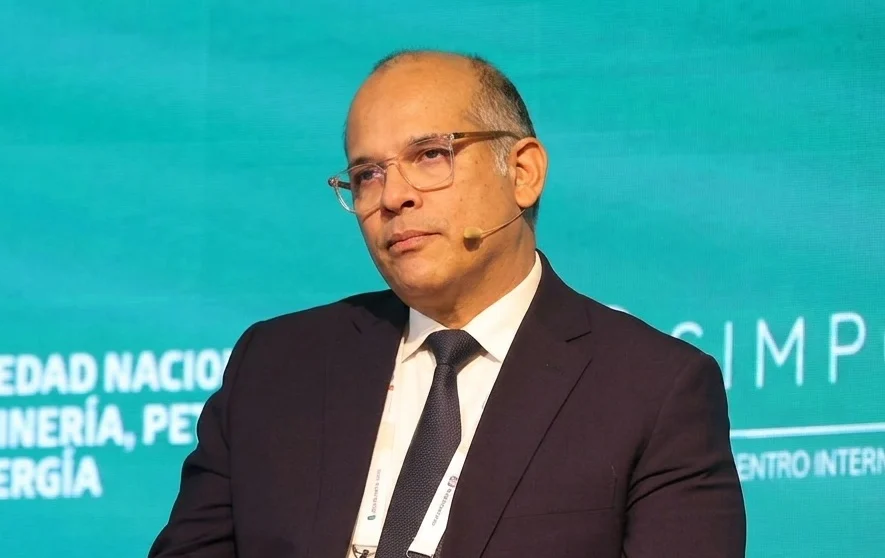
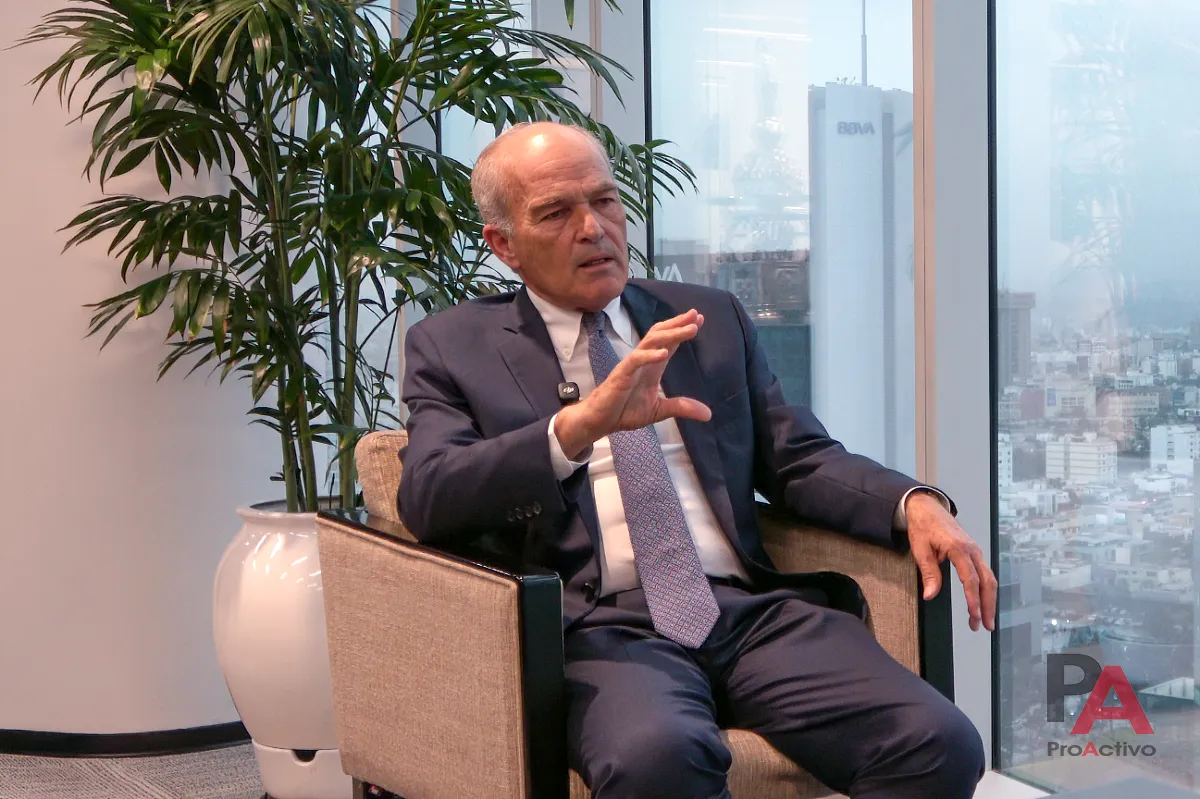
In an exclusive and in-depth interview with ProActivo, conducted by Mónica Belling, Director of Revista ProActivo, Benavides, a figure of immense influence within Peru’s business and academic spheres, dissects the immediate priorities for the new administration’s first 100 days. He candidly addresses the shortcomings of the formalization process, the precarious financial state of Petroperú, and the strategic development of Buenaventura’s ambitious projects.
Benavides’ insights offer a critical examination of Peru’s economic landscape, emphasizing the imperative for decisive action and a paradigm shift in governance. His proposals, rooted in decades of experience and a deep understanding of the nation’s potential, aim to unlock growth, foster investment, and ultimately improve the lives of Peruvian citizens.
H2: Streamlining the State: A Bold Proposal for "Super-Ministries"
A cornerstone of Benavides’ reformist agenda is the urgent need to address the inherent inefficiencies plaguing Peru’s public administration. He identifies an overextended governmental structure as a significant impediment to effective operational oversight and swift decision-making. Drawing inspiration from successful international management models, Benavides proposes a radical consolidation of the Ministerial Cabinet.
"No organization can effectively function with 19 second-level managers reporting directly to the general manager – I am referring to the ministers," Benavides stated with conviction. "The State needs simplification. What is one alternative? Five ‘super-ministries,’ each overseeing four subordinate ministries. This reorganization is essential for genuine control and accountability."
This proposed restructuring aims to create more agile and focused government entities, capable of responding more effectively to the complex challenges facing the nation. The current proliferation of ministries, he argues, leads to fragmentation, duplication of efforts, and a dilution of responsibility, hindering the government’s ability to implement impactful policies.
While specific portfolio assignments were not detailed in the provided text, the underlying principle is to create integrated ministerial bodies capable of addressing broad policy areas with greater coherence and efficiency. This approach could potentially lead to better coordination between related government functions, reducing overlaps and streamlining the delivery of public services.
H2: The Digital Single Window: MINEM’s Crucial Role in Unlocking Mining Potential
The mining sector, a vital engine of Peru’s economy, frequently finds itself ensnared in a labyrinth of fragmented permits, a process that has historically stalled critical projects for decades. Benavides champions the urgent implementation of a Digital Single Window, spearheaded by the Ministry of Energy and Mines (MINEM), as a top-tier, short-term priority to expedite the development of the country’s key mining deposits.
"When I began my career 45 years ago, we dealt primarily with the Ministry of Energy and Mines. Today, we navigate a complex web of procedures that is simply not working," Benavides lamented. "We need a single point of contact at MINEM, strengthening and modernizing it, to simplify processes. We cannot continue to be supplicants, passing through every ministry."
The current system, characterized by a multitude of bureaucratic hurdles and inter-agency approvals, creates significant delays and increases project costs, deterring much-needed investment. A centralized digital platform, as envisioned by Benavides, would consolidate all necessary permits and approvals into a single, accessible online portal. This would not only expedite the permitting process but also enhance transparency and reduce opportunities for corruption.
The benefits of such a system extend beyond mere efficiency. By accelerating project development, it would stimulate job creation, boost regional economies through increased mining activity, and ensure a more consistent flow of revenue for the state and local communities. The MINEM, with its central role in the mining sector, is ideally positioned to lead this crucial initiative.

H2: Reforming REINFO and Tackling the Shadow Economy
The suffocating grip of excessive red tape and an overbearing permitting regime has inadvertently fueled a burgeoning informal economy, which now accounts for an estimated 70% of Peru’s national activity. Benavides draws a clear distinction between the legitimate aspirations of small-scale miners seeking formalization and the destructive impact of illegal extraction operations that operate outside the law and infringe upon private concessions. He unequivocally declares the current Integral Registry of Mining Formalization (REINFO) process to be a failure.
"The REINFO has only succeeded for 2% of those seeking formalization. It was enacted as a temporary measure, but we have had it since 2012 – 14 years have passed, and only 2% have been formalized. Clearly, it has not worked, and we must seek alternative mechanisms," Benavides emphasized. "Regarding illegality – those who operate on concessions that are not theirs or steal minerals – the law and the rule of law must be applied."
The stark reality is that the REINFO, intended to guide informal miners into legal operations, has proven to be an ineffective and protracted process. This failure has not only hindered formalization efforts but has also allowed illegal mining to flourish, often with devastating environmental consequences and by undermining legitimate businesses. Benavides’ call for new mechanisms suggests a need for a more streamlined, accessible, and perhaps more targeted approach to formalization, coupled with a robust enforcement strategy against illegal operations.
The informal economy represents a significant loss of tax revenue for the state, limits access to financial services for a large segment of the population, and often operates with substandard safety and environmental practices. Addressing this pervasive issue requires a multi-pronged strategy that tackles both the demand for informality (through easier formalization) and the supply of illegal activities (through stricter enforcement).
H2: National Priorities and the Indispensable Power of Private Capital
In analyzing the pressing demands of the Peruvian populace, Benavides identifies four critical areas that require the Executive’s immediate and unwavering attention: corruption, informality, centralism, and citizen insecurity. He highlights how historical centralism has created a stark disparity between Lima and the regions, a gap that mining, with its capacity to generate revenue and "canon" (royalties), can effectively bridge. He points to the positive indicators in Moquegua as a testament to mining’s catalytic role.
"In Peru, of the total investment, 20% is public and 80% is private. And of that 80% private investment, 20% is foreign investment, and 80% is national investment," Benavides revealed, underscoring the crucial role of domestic entrepreneurs. "It is we Peruvians who must champion our country. As Winston Churchill said, the private sector is the draft horse that must be fed because it has to pull the heavy cart of the national economy."
This assertion powerfully frames the private sector not as a mere participant, but as the primary driver of Peru’s economic prosperity. Benavides’ emphasis on national investment is particularly significant, highlighting the potential and responsibility of Peruvian business leaders to contribute to their nation’s development. The government’s role, therefore, becomes that of creating an environment conducive to this private sector dynamism, characterized by stability, clear regulations, and a commitment to combating the aforementioned national challenges.
The stark contrast between public and private investment underscores the critical need for policies that foster a favorable investment climate. Addressing corruption and insecurity, for instance, are not just matters of social justice but are essential prerequisites for attracting and retaining private capital.
H2: Geopolitics, Copper, and Hydrocarbons: Navigating Global Currents
In the face of intensifying global competition for strategic resources, Benavides advocates for a pragmatic and open commercial diplomacy. His guiding principle is clear: "Neither with Washington, nor with Moscow, nor with Beijing, but with all of them." He emphasizes that Peru’s 23 signed Free Trade Agreements (FTAs) provide a robust framework for expanding its national market to over 3 billion global consumers.
This strategic approach to international relations positions Peru to capitalize on its natural resource wealth and diverse export potential. By maintaining balanced relationships with major global powers, Peru can avoid entanglement in geopolitical rivalries and instead focus on maximizing trade opportunities and attracting investment across a broad spectrum of partners. The extensive network of FTAs further amplifies this advantage, opening doors to new markets and fostering economic diversification.
The global demand for critical minerals like copper, essential for the green energy transition, presents a significant opportunity for Peru, one of the world’s leading copper producers. Benavides’ stance suggests a recognition that Peru can leverage its resource endowment to its economic advantage by engaging strategically with all major economic blocs, rather than aligning itself with any single power. This pragmatic approach is crucial for securing favorable trade terms and ensuring continued access to global markets for its exports.

H2: Petroperú’s Financial Woes and the Imperative of Auditing Técnicas Reunidas
A particularly critical segment of the interview delves into the substantial financial losses incurred by the state-owned oil company, Petroperú, the escalating fiscal cost of the Talara Refinery, and its operational shortcomings. Benavides vociferously questions the disproportionate expenditure relative to declining local production and demands that the Spanish contractor, Técnicas Reunidas, be held accountable through the application of its contractual obligations and technical responsibilities.
"A refinery has been built at a cost of 7 billion dollars to do, theoretically, what Repsol did for 800 million. We are producing 30,000 barrels per day in the Pacific for a refinery with a capacity of 95,000 barrels. Petroperú must be privatized, partially or totally. We cannot have a state-owned company that hemorrhages money that all Peruvians have to subsidize," he declared.
The stark disparity in cost and output between the new Talara refinery and the previous Repsol facility raises serious questions about project management, cost overruns, and the overall economic viability of the state-owned enterprise. Benavides’ call for privatization, whether partial or total, reflects a deep-seated concern that Petroperú’s current trajectory is unsustainable and represents a significant drain on public resources.
Regarding the refinery’s failure to operate at optimal capacity, the President of Buenaventura was unequivocal: "Técnicas Reunidas must be called to account. An audit must be conducted, and if the relevant insurance policies are to be applied, they must clarify this. We have just had a problem with some machinery at San Gabriel, and we are investigating which part of the engineering failed to apply the insurance. If there are responsibilities to be assumed, they must be assumed; the same applies to the Talara refinery."
This strong stance highlights the need for transparency and accountability in large-scale infrastructure projects. The contractor’s responsibility for ensuring the refinery’s functionality and for any design or construction flaws must be thoroughly investigated. The application of insurance policies, as suggested by Benavides, would be a mechanism to recoup potential losses and ensure that financial burdens are not solely borne by the Peruvian taxpayer.
H2: Operational Competitiveness and Buenaventura’s Project Pipeline
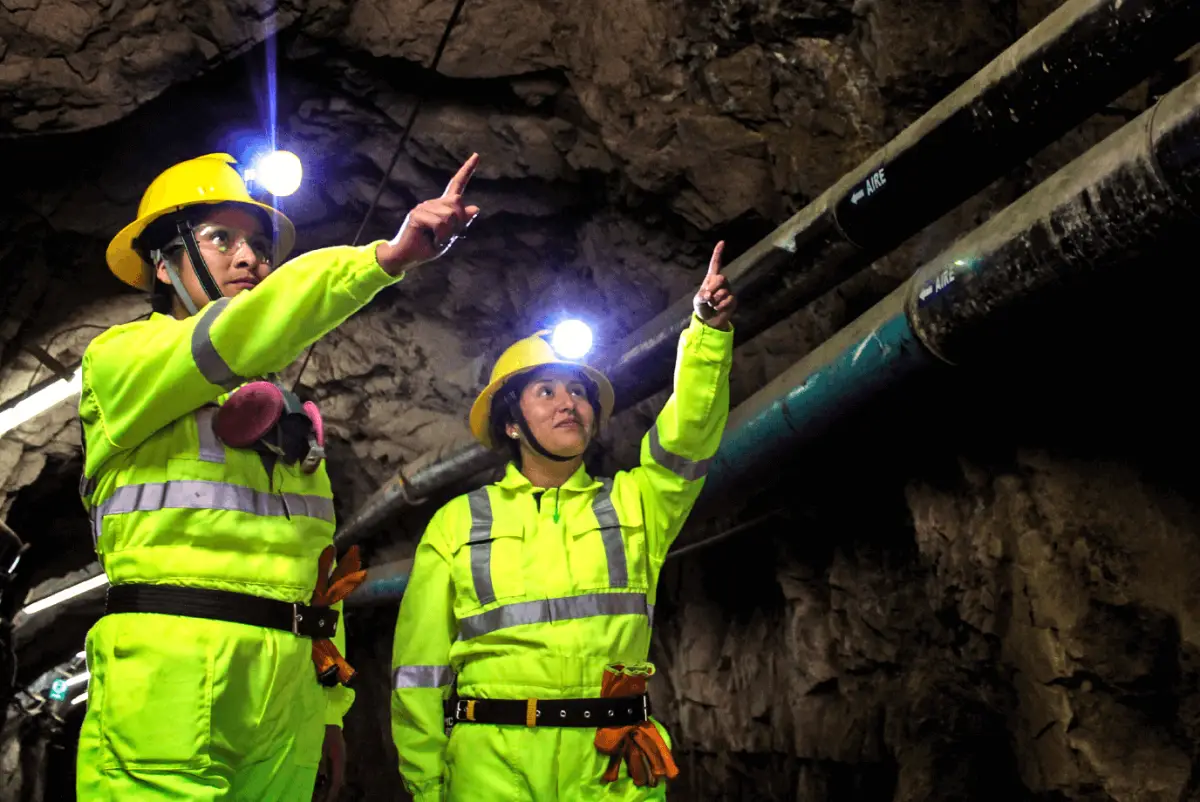
Despite a favorable international price cycle for gold, silver, and copper, Benavides reiterates that mining profitability is fundamentally contingent upon rigorous cost discipline and internal operational efficiency. He emphasizes the strategic adoption of advanced technologies such as robotics, drones, and underground connectivity to drive these efficiencies.
Buenaventura’s forward-looking approach, as described by Benavides, involves a commitment to technological innovation to maintain a competitive edge. This includes investing in automation and digital solutions to optimize extraction processes, enhance safety, and reduce operational costs. In the context of fluctuating commodity prices, such a focus on internal efficiency is paramount for ensuring long-term viability and shareholder value.
The company’s strategic development of projects, while not detailed in this excerpt, is clearly guided by a philosophy of disciplined execution and technological advancement. This proactive stance positions Buenaventura to navigate market volatility and capitalize on emerging opportunities within the global mining landscape.
H2: Academia and Industry: Cultivating the Next Generation of Leaders
Drawing from his extensive experience in both academia and industry, including receiving an Honorary Doctorate from the National University of Engineering (UNI) and teaching at prestigious institutions like PUCP and the National University of Moquegua (UNAM), Benavides concludes by stressing the vital necessity of integrating university curricula with the realities of the business world.
"The intelligence of each region is linked to its national university. At the National University of Moquegua, we have invited companies like Anglo American and Southern Peru to conduct sessions on real mining projects. It is fundamental to integrate the real world of business with the world of academia to train the young people who will lead Peru’s future," he stated passionately.
This emphasis on the synergy between education and industry is crucial for developing a skilled workforce that is equipped to meet the evolving demands of the Peruvian economy. By fostering collaboration between universities and businesses, Peru can ensure that its educational institutions are producing graduates with the practical knowledge and innovative mindset required to drive national development. This approach not only benefits students by enhancing their employability but also provides businesses with a pipeline of qualified talent, ultimately strengthening the nation’s overall competitiveness.
Key Takeaways from the Interview:
- Governmental Reform: A proposal for five "super-ministries" to streamline public administration and improve decision-making.
- Mining Sector Efficiency: Urgent need for a Digital Single Window, led by MINEM, to expedite mining project approvals.
- Formalization Challenges: The REINFO process has failed to formalize a significant portion of the informal mining sector, necessitating new approaches.
- Private Sector Dominance: The private sector, particularly national investment, is the primary engine of Peru’s economy, requiring supportive government policies.
- Pragmatic Diplomacy: Advocating for balanced international relations to maximize trade and investment opportunities.
- Petroperú’s Financial Strain: Concerns over the high cost and operational inefficiencies of the Talara Refinery, leading to calls for privatization and contractor accountability.
- Technological Integration: Emphasis on robotics, drones, and connectivity for enhanced operational competitiveness in mining.
- Academia-Industry Link: The critical importance of bridging the gap between university education and real-world business needs for future leadership development.