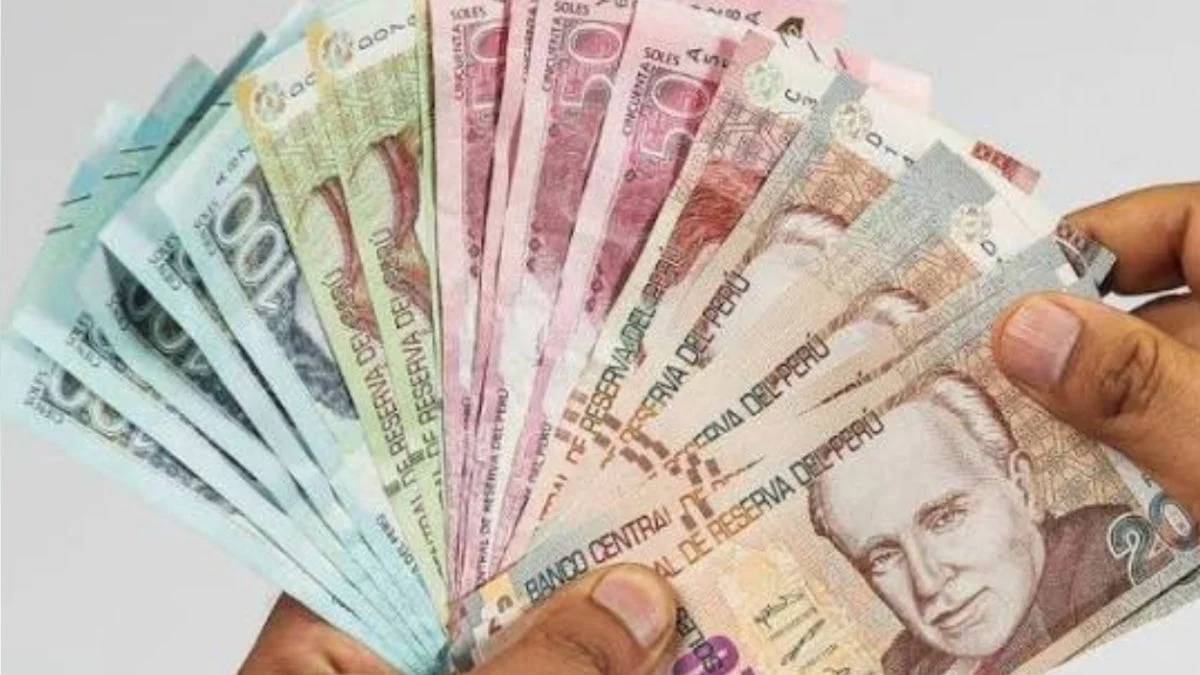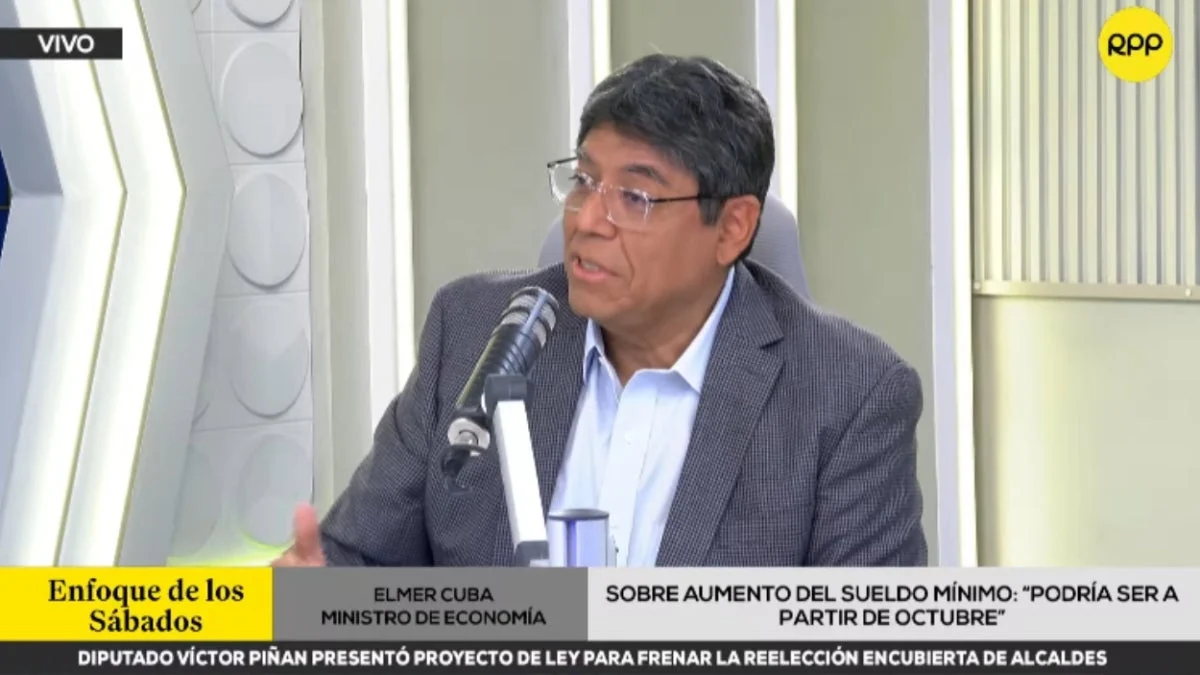
In a significant policy shift aimed at balancing the purchasing power of the workforce with the structural realities of the Peruvian economy, Minister of Economy and Finance Elmer Cuba has announced a strategic plan to increase the Remuneración Mínima Vital (RMV)—the national minimum wage. Currently set at S/ 1,130, the proposed adjustment is designed to be implemented in two distinct phases, carefully calibrated to mitigate inflationary pressures and the potential economic disruption caused by the looming El Niño climate phenomenon.
The proposal, which has been presented as a cornerstone of the current administration’s labor policy, seeks to provide immediate relief to low-income workers while simultaneously offering fiscal protections to the nation’s micro-enterprises.
The Roadmap: A Phased Approach to Wage Growth
The government’s strategy is rooted in a "gradualist" approach. Rather than imposing a single, abrupt increase that could shock the labor market or trigger a rapid rise in prices, the Ministry of Economy and Finance (MEF) has opted for a tiered structure.
Phase One: The October Implementation
Minister Cuba confirmed that the first stage of the salary adjustment is targeted for October. This initial increase of S/ 100 is intended to provide a swift injection of liquidity into the household budgets of formal workers. By choosing an October start date, the government hopes to stabilize the wage floor ahead of the year-end fiscal cycle.
Phase Two: Post-El Niño Adjustment
The second phase, consisting of an additional S/ 70, is contingent upon the conclusion of the El Niño weather event. The government maintains that the unpredictability of the climate, which often disrupts supply chains and agricultural output, requires a cautious approach. By deferring the second tranche until after the climatic impact has been assessed, the Ministry aims to ensure that the economy is resilient enough to absorb the full adjustment without triggering structural instability.
Chronology of the Decision-Making Process
The path to this announcement has been marked by extensive internal debate and an emphasis on tripartite dialogue.
- Preliminary Analysis: Over the past fiscal quarter, the MEF conducted rigorous modeling to determine the maximum sustainable increase in the RMV that would not lead to increased informality.
- The Dialogue Phase: Central to the process is the National Labor Council (CNT), the institutionalized space for dialogue between the government, labor unions, and business representatives. Minister Cuba emphasized that the government is committed to presenting the proposal to the CNT for review before the executive decree is finalized.
- Legislative Review: While the executive has the authority to adjust the RMV, the government is treating this as a high-stakes consultative process to ensure buy-in from the private sector.
- Anticipated Timeline: Barring unforeseen economic shifts, the government expects the CNT to deliberate on the proposal in the coming weeks, clearing the path for the October implementation of the first S/ 100 increase.
Supporting Data: Balancing Labor Costs and Business Sustainability
A critical component of this announcement is the government’s acknowledgment of the vulnerability of micro-enterprises. Recognizing that small businesses operate on thin margins, the MEF has introduced a targeted support mechanism.
The Micro-Enterprise Subsidy
To cushion the impact of the RMV hike, the government is proposing a subsidy—a bonus of S/ 100—for every worker currently earning the minimum wage within registered micro-enterprises. This initiative is strictly limited to formal businesses that comply with the electronic payroll system.
The objective here is twofold:
- Protecting Employment: Preventing layoffs that often follow mandatory wage hikes.
- Promoting Formalization: By making the subsidy contingent on the use of the electronic payroll, the government creates a powerful incentive for informal businesses to register their staff, thereby expanding the social security and tax base.
Official Responses and Stakeholder Dynamics
The announcement has triggered a wave of reactions across the political and economic spectrum. While worker advocacy groups have largely welcomed the increase, many have questioned whether the S/ 170 total increase is sufficient to offset the rising cost of living, particularly given recent inflationary trends in food and energy prices.
Conversely, some representatives of the business community have expressed concerns regarding the timing. While the subsidy for micro-enterprises is viewed as a positive development, larger businesses—which do not qualify for the bonus—are wary of the cumulative impact on their operational costs.
Minister Cuba has maintained a firm stance, characterizing the policy as a "responsible middle ground." He noted in his interview with RPP that the government’s priority is to avoid "populist" measures that might satisfy short-term political demands but fail in the long term by causing unemployment. "We are looking at the health of the labor market holistically," Cuba stated.
Macro-Economic Implications: Beyond the Wage Floor
The decision to link the second phase of the increase to the El Niño phenomenon highlights the vulnerability of the Peruvian economy to environmental shocks. Historically, climate events in the region have led to spikes in food prices, which effectively erode the purchasing power of the very workers the RMV is intended to protect.
Inflationary Considerations
Economists are closely watching whether the increase will trigger a wage-price spiral. However, the government’s strategy of spreading the increase over a significant period is designed to dampen such effects. By keeping the first increase at a modest level and deferring the remainder, the central bank and the MEF hope to keep inflation expectations anchored.
Social Impact and Poverty Alleviation
For the thousands of workers currently earning the minimum, an extra S/ 170 per month represents a significant portion of their disposable income. This increase is expected to boost domestic consumption, particularly in the retail and service sectors, potentially creating a "multiplier effect" that could stimulate moderate economic growth.
The Legal and Institutional Context
Beyond the wage debate, the Ministry is currently managing a complex portfolio of labor issues, including ongoing disputes regarding pension systems for teachers and military personnel, as well as the CAFAE (Administrative and Service Staff Incentive Fund) issues currently headed toward the Constitutional Court. The handling of the RMV is therefore a test of the government’s ability to manage broad-based social demands while maintaining fiscal discipline.
Conclusion: A Delicate Balancing Act
The government’s plan to increase the minimum wage in two phases reflects a pragmatic response to the complexities of the Peruvian economy. By integrating a subsidy for micro-enterprises and conditioning the second phase of the increase on climate stability, the Ministry of Economy and Finance is attempting to thread a needle between social equity and macroeconomic stability.
As the proposal moves to the National Labor Council, the focus will shift to whether the stakeholders can reach a consensus. For the administration, the success of this policy will not only be measured by the nominal increase in the RMV but by its ability to protect the most vulnerable workers without sacrificing the progress made in business formalization and price stability.
In the coming months, all eyes will be on the CNT discussions and the evolving data regarding the El Niño phenomenon, both of which will serve as the ultimate arbiters of when and how this wage policy is executed. Whether this plan will satisfy the competing interests of labor and capital remains to be seen, but it is clear that the government is aiming for a measured, evidence-based transition in its national wage policy.