A significant diplomatic and political dispute has erupted in Peru, centering on the procurement of rolling stock intended for the long-awaited Lima-Chosica train project. At the heart of the tension is a stark disagreement over the legal nature of the transaction: was the arrival of 93 rail cars and nearly 20 locomotives a philanthropic gift from the United States, or was it a commercial acquisition?
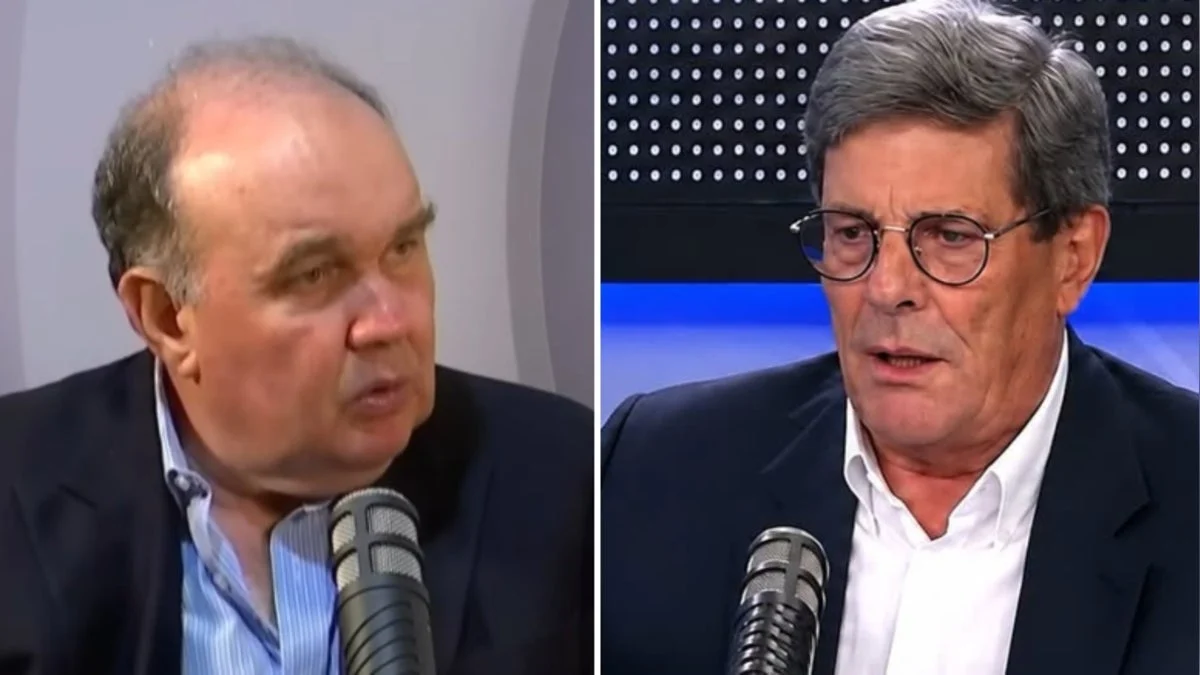
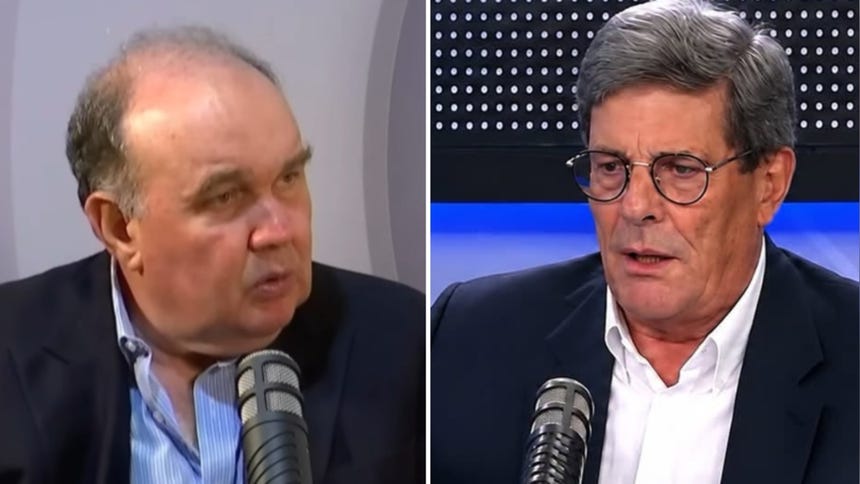
The conflict has pitted former Lima Mayor Rafael López Aliaga against the current Minister of Transport and Communications, Rafael Rey. The disagreement has transcended local municipal politics, with López Aliaga warning that the minister’s recent public statements risk causing a "grave diplomatic incident" with the United States government.
Main Facts: A Dispute Over Definitions
The core of the controversy lies in the categorization of the equipment transferred from the California-based transit agency, Caltrain, to the Metropolitan Municipality of Lima (MML).
Minister Rafael Rey recently asserted in a high-profile media appearance that the equipment was not a donation, but rather a purchase. He argued that there are clear financial records indicating that the Municipality of Lima paid for the assets, thereby characterizing the transaction as an acquisition rather than a humanitarian or institutional gift.
Conversely, former Mayor López Aliaga, who oversaw the initial stages of the procurement, maintains that the transaction was legally defined as a "donation with a burden" (donación con carga). In international law and civil contracts, a "donation with a burden" is a common mechanism where the recipient accepts the gift but assumes the operational costs associated with it—in this case, the logistics, transportation, and specialized preparation required to move the heavy machinery from California to Peru.
López Aliaga contends that by dismissing the transaction as a simple purchase, Minister Rey is effectively discrediting the official documentation signed by high-level U.S. officials, including the then-Secretary of State, Antony Blinken.
Chronology of the Controversy
The saga of the Lima-Chosica train has been marked by ambition and delays. The timeline of events highlights the complexities of international infrastructure transfers:
- Initial Agreement: During his tenure as mayor, Rafael López Aliaga spearheaded the initiative to acquire decommissioned Caltrain rolling stock to address Lima’s chronic transportation crisis. The agreement was negotiated under the premise of a "donation with a burden."
- Approval Phase: The contract received multi-layered institutional backing, including endorsements from the Peruvian Ministry of Transport and Communications (MTC), the Metropolitan Council of Lima, the U.S. Embassy in Peru, and the Government of California.
- Arrival of Assets: Between July and August 2025, the equipment arrived in Peruvian ports. Despite the fanfare surrounding the arrival, the trains have remained non-operational to date, sparking criticism from transport experts and political opponents.
- The Conflict Escalates (August 2026): Minister Rafael Rey publicly challenged the narrative of the donation, labeling it a "purchase" on a prominent news program.
- The Rebuttal: Following the minister’s remarks, López Aliaga responded, characterizing the minister’s words as reckless and potentially harmful to bilateral relations between Peru and the United States.
Supporting Data: Understanding the "Donation with a Burden"
To understand the friction, one must examine the nuances of the contract. Supporters of the donation model argue that the financial outlays made by the Municipality of Lima were not the "purchase price" of the equipment itself, but rather the necessary expenditures to fulfill the "burden" of the donation.
According to documents cited by the former mayor, these costs included:
- Logistical Costs: The international maritime and terrestrial freight required to transport the massive locomotives and wagons.
- Environmental and Technical Preparation: The extraction of fluids and specialized maintenance required to clear the equipment for international transport and safety compliance.
- Operational Integration: The necessary modifications to adapt the U.S.-standard equipment to the specific conditions of the Peruvian rail infrastructure.
López Aliaga argues that the value of the assets—high-quality stainless steel, climate-controlled, two-story cars with designated bicycle compartments—far outweighs the logistical costs incurred by the municipality. He maintains that framing this as a commercial "purchase" undermines the generous nature of the initial offer and creates unnecessary tension with Washington.
Official Responses and Political Repercussions
The response from the Ministry of Transport has been one of fiscal scrutiny. Minister Rey maintains that transparency is paramount, and that the public has a right to know the exact nature of the expenditure of municipal funds. He noted that regardless of whether it is termed a "donation" or a "purchase," the primary concern remains the lack of operational status for the trains.
The Autoridad de Transporte Urbano (ATU) has previously stated that the train project is still in its infancy, with multiple stages of technical validation and infrastructure upgrades required before the system can be considered safe for public use.
López Aliaga, however, continues to link the project to his political platform. He referenced promises made during the election cycle, noting that prominent political figures, including Keiko Fujimori, had expressed support for the project, suggesting that the initial phase of the train’s operation was considered a viable and near-term reality.
The Diplomatic and Economic Implications
The most concerning aspect of the dispute, according to observers, is the potential for diplomatic fallout. By suggesting that the documentation signed by Secretary of State Antony Blinken was being misrepresented or utilized in a fraudulent manner, Minister Rey has prompted a reaction that extends beyond the borders of Peru.

1. Risk to Future Bilateral Agreements
If a high-ranking government official casts doubt on the integrity of a contract signed by the U.S. State Department, it may create a "chilling effect" on future public-private or inter-governmental agreements. Foreign entities may become hesitant to donate or transfer technology to Peruvian municipal governments if they fear their agreements will be retroactively re-characterized or politically weaponized.
2. Legal and Administrative Uncertainty
The discrepancy between the "purchase" vs. "donation" labels could have significant legal ramifications. If the transaction was legally a purchase, it would be subject to a different set of tax and import regulations than a donation. If the government determines that the municipal funds were misclassified, it could lead to audits and investigations into the previous administration’s handling of public finances.
3. Public Trust and Urban Mobility
For the citizens of Lima, the political posturing offers little comfort. The Lima-Chosica corridor remains one of the most congested routes in the city, and the sight of imported, high-tech train cars sitting idle in storage has become a symbol of the broader inefficiencies in the capital’s public transport system. The debate over terminology is, for the commuter, secondary to the need for a functional, rapid, and safe rail service.
Conclusion: A Path Forward
The situation remains fluid. As the Ministry of Transport continues to audit the logistics of the Caltrain acquisition, and as political figures trade barbs over the legitimacy of the contract, the actual implementation of the train service remains stalled.
The resolution of this conflict will likely require a technical review of the original contract by a neutral third party or a formal diplomatic clarification to ensure that the relationship between the municipal government, the Peruvian state, and the United States remains on stable ground. Until then, the Lima-Chosica train stands as a testament to both the potential for international cooperation and the fragility of long-term infrastructure projects in the face of political volatility.