Executive Summary: A Discrepancy in the Heart of the Andes
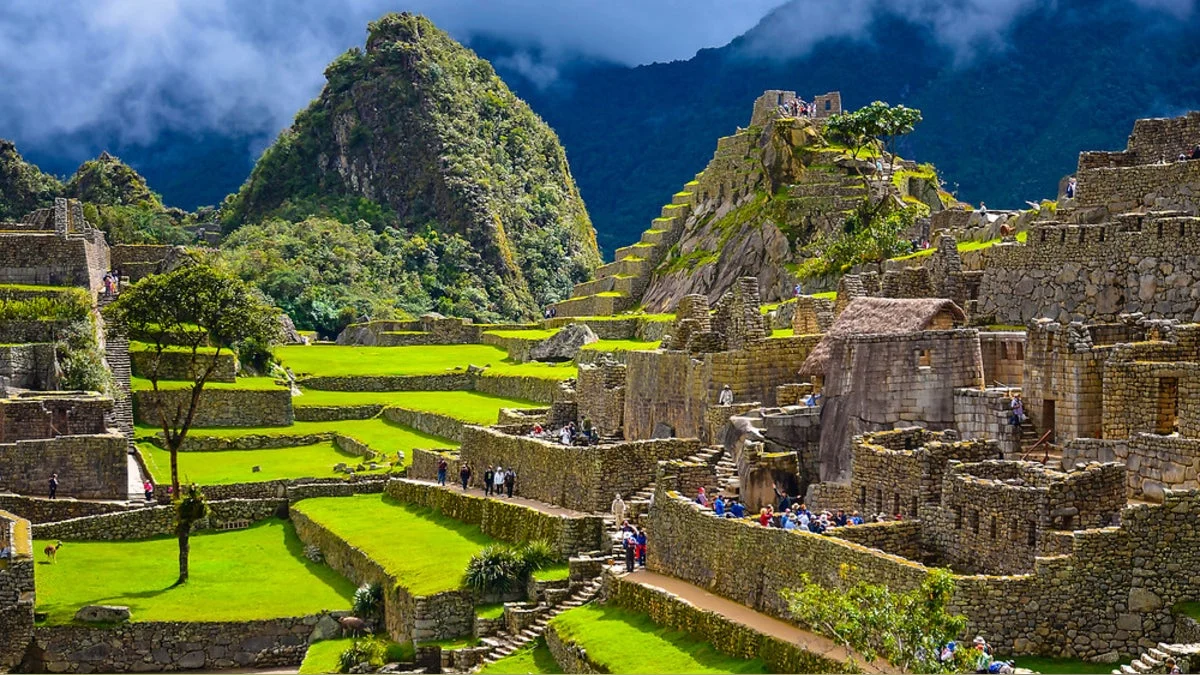
The integrity of the world’s most iconic archaeological site is under intense scrutiny following a damning report by the Office of the Comptroller General of the Republic (Contraloría General de la República). According to the findings of Audit Report No. 007-2026-2-5765-AC, the digital platform TuBoleto.cultura.pe—the official state-mandated portal for managing entries to the Llaqta of Machu Picchu—is failing to provide an accurate representation of the total human traffic entering the historic sanctuary.
The audit, which analyzed data between August 2024 and December 2025, reveals a systemic flaw in how visitor capacity is monitored. By failing to register significant cohorts of visitors, the Ministry of Culture has inadvertently allowed the daily capacity limits to be breached, leading to a "hidden" surge of tourists that threatens the preservation of the site. The report identifies administrative responsibility among three high-level officials within the Decentralized Directorate of Culture (DDC) of Cusco, casting a shadow over the management of Peru’s primary tourist asset.
The Core Issue: The Myth of the "Controlled Aforo"
Machu Picchu operates under a strictly regulated capacity framework, designed to protect the fragile stone structures and pathways of the Inca citadel. Under current regulations, the maximum daily capacity is set at 4,500 visitors during the low or regular season, scaling up to 5,600 during the high season to accommodate global demand.
However, the Contraloría’s investigation discovered that these thresholds are often mere illusions. The audit reveals that thousands of individuals are physically entering the site without being recorded in the TuBoleto system. These "invisible" visitors fall into several categories:
- Local and Regional Residents: Citizens from Cusco accessing the site for free, particularly on designated Sundays.
- Institutional Agreements: Visitors entering through special arrangements between the DDC Cusco and the Regional Directorate of Foreign Trade, Tourism, and Crafts (GERCETUR).
- Educational Delegations: Large groups of primary and secondary students from across Peru.
- Inca Trail Hikers: Trekkers arriving via the historic Inca Trail, who are funneled directly into the "Royal Route" (Ruta 3-B), which encompasses the most significant royal sectors of the city.
Because these groups are not processed through the centralized digital ticketing platform, the official daily statistics fail to reflect the true physical load on the monument.
Chronology of Excessive Loads (2024–2025)
The data provided by the audit highlights specific dates where the surge in visitors reached alarming proportions, far exceeding the legally established limits. The lack of integrated accounting meant that when these "hidden" groups were added to the ticketed visitors, the total daily foot traffic reached dangerous peaks:
- October 20, 2024: The site experienced a surge of 1,138 visitors beyond the permissible limit.
- April 20, 2025: An additional 1,040 visitors were recorded over the capacity threshold.
- October 12, 2025: The site faced a further overload of 1,031 visitors.
These spikes represent more than just a logistical challenge; they represent a sustained failure to manage the "carrying capacity" of a site designated as a UNESCO World Heritage treasure.
Physical Evidence: The Toll on the Stonework
Beyond the administrative failures, the audit team conducted a comprehensive field inspection of the three primary tourist circuits within the Llaqta. The physical observations reported by the auditors serve as a stark warning of the environmental and mechanical stress being placed on the 15th-century structures.
The report details:
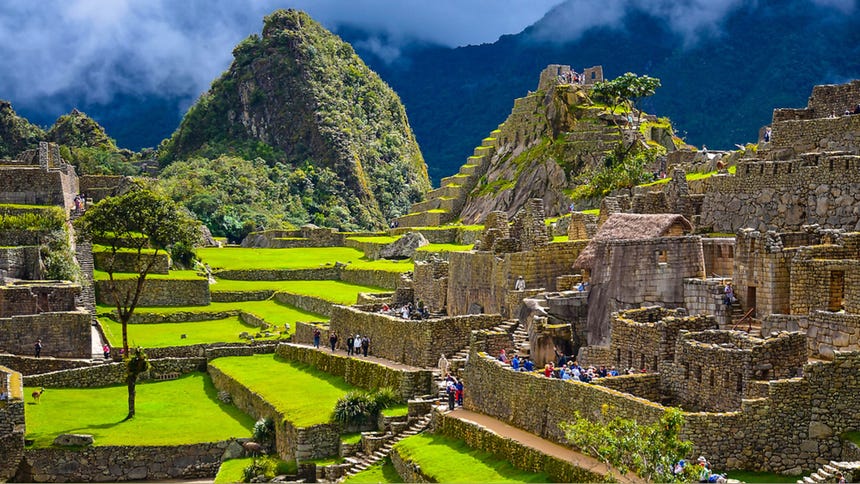
- Degradation of Original Flooring: The heavy foot traffic is causing visible wear on the original, ancient stone floors.
- Erosion of Pre-Hispanic Platforms: The constant pressure from large groups is leading to the erosion of the agricultural and structural terraces that support the city.
- Linguistic and Material Wear: The escalinatas (stone stairways) are suffering from the combined effects of extreme weather and the constant friction of thousands of boots, leading to the rounding and loss of the original lithic edges.
The inspectors noted that the current management strategy does not adequately account for the "restoration time" required for these stone elements, which are not designed to sustain such high-volume, continuous traffic.
Implications for Heritage Status and International Relations
The findings of the Contraloría have far-reaching implications, extending well beyond the domestic political sphere. During the 47th session of the UNESCO World Heritage Committee, held in May 2025, international experts expressed grave concern regarding the management of Machu Picchu.
UNESCO’s stance has been clear: the "Outstanding Universal Value" of the site is contingent upon its conservation. If the Peruvian state cannot demonstrate control over the influx of visitors, the site faces the risk of being placed on the "List of World Heritage in Danger." Such a designation would not only be a blow to Peru’s international reputation but could also trigger a significant decline in high-end tourism, as the global community monitors the site’s preservation status with increasing severity.
Official Responses and Administrative Responsibility
The Office of the Comptroller General has moved to hold specific individuals accountable. The report explicitly cites the "presumed administrative responsibility" of three public servants within the DDC Cusco. The nature of these responsibilities ranges from the negligent implementation of the digital ticketing system to the failure to coordinate with regional authorities to ensure all visitors are counted within the official quota.
The results of the audit have been formally communicated to the Minister of Culture. This move places the Ministry in the uncomfortable position of having to justify why the platform TuBoleto.cultura.pe was promoted as a comprehensive, transparent solution when, in reality, it served only as a partial ledger.
The Challenge of Modernization
The transition to a digital ticketing system was intended to modernize and sanitize the ticket sales process, which had previously been marred by corruption and ticket hoarding. However, the audit suggests that while the corruption of the past may have been mitigated, a new form of "administrative invisibility" has emerged. By failing to integrate the various entry channels (local, student, and trail-based) into the digital portal, the DDC Cusco has effectively created a blind spot in the heart of the Llaqta.
Looking Ahead: A Call for Reform
To address the findings of Report No. 007-2026-2-5765-AC, the Contraloría has recommended immediate corrective actions. These include:
- Systemic Integration: Integrating all free-access categories (students, residents, and Inca Trail hikers) into the TuBoleto digital dashboard in real-time.
- Capacity Re-calibration: Conducting a new, science-based study to determine if the 4,500/5,600 visitor limits are still appropriate given the documented erosion of the site.
- Enhanced Maintenance Protocols: Implementing a stricter maintenance schedule that corresponds directly to the actual, rather than the "reported," number of visitors.
- Institutional Accountability: Initiating disciplinary proceedings against the officials identified in the audit to ensure that future management decisions are guided by data rather than political or administrative convenience.
The Fragile Future of a Global Icon
Machu Picchu is more than a tourist destination; it is a cultural legacy that belongs to humanity. The current findings suggest that while the state has invested in the digital infrastructure to sell tickets, it has failed to invest in the administrative discipline required to protect the stone itself.
As the Ministry of Culture reviews the Comptroller’s findings, the eyes of the world remain fixed on the Andes. The balance between economic necessity, tourism demand, and the absolute requirement to preserve the Inca legacy for future generations is currently tipped in the wrong direction. The question now is whether the authorities have the political will to implement the necessary, and perhaps unpopular, restrictions required to ensure that Machu Picchu survives the next century.
For the people of Cusco and the millions of visitors who dream of visiting the Llaqta, the message of the Contraloría is clear: transparency in counting is the first step toward the responsible management of one of history’s greatest achievements. Without it, the very stones of Machu Picchu are being slowly, silently worn away by the weight of their own popularity.