By Technology Desk
In an era defined by instant digital communication, the stability of messaging platforms has become a cornerstone of both personal connectivity and global commerce. On Monday, August 3, 2026, this digital reliance was put to the test as users of Meta’s flagship messaging platform, WhatsApp, experienced a significant, albeit partial, service disruption. The outage, which primarily affected the ability to send and receive multimedia files, sparked widespread frustration across the Americas and beyond.
The Nature of the Disruption
Starting at approximately 4:00 p.m. (Peruvian time), users across several countries began reporting persistent errors when attempting to share visual content. While text messages appeared to transit the network with minimal delay, the backbone of modern social interaction—photos, videos, and voice notes—began failing to upload or download.
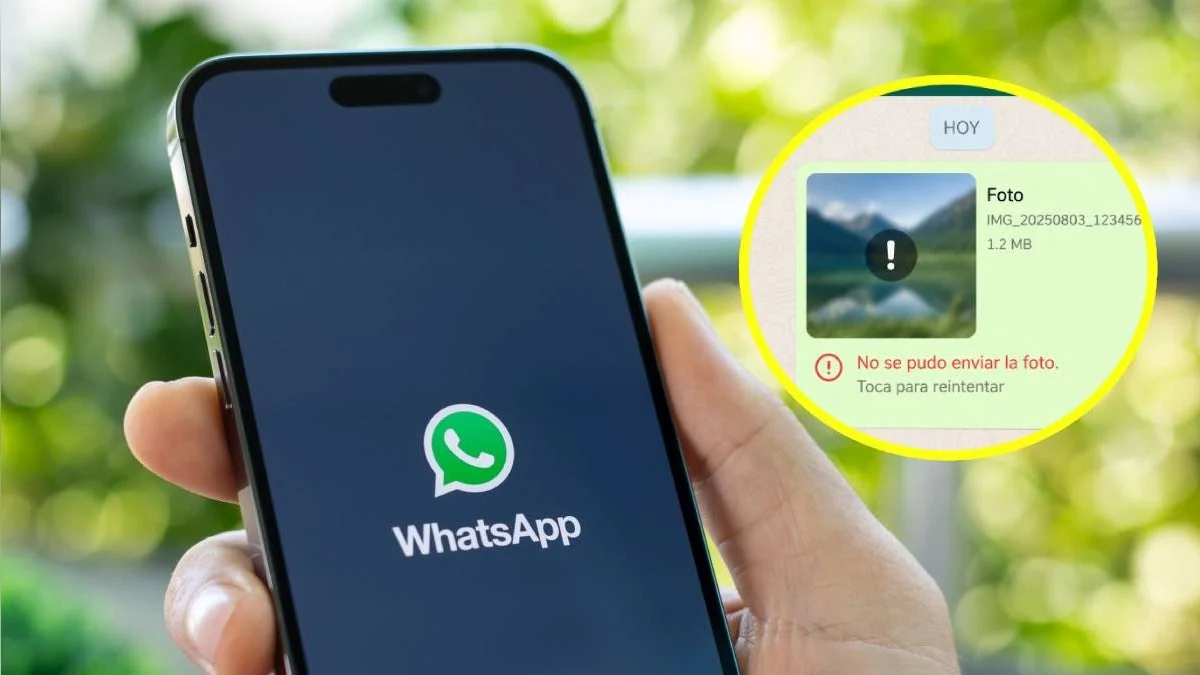
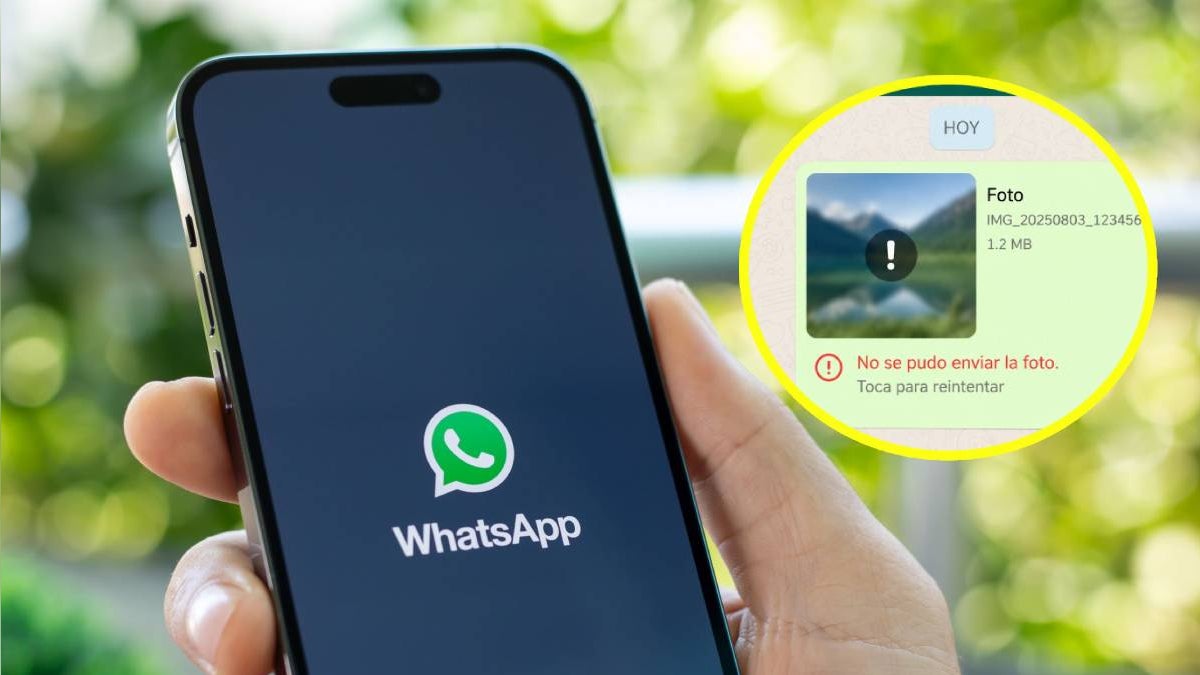
According to logs from the popular service-monitoring platform Downdetector, the issue was not isolated to a single region or server cluster. Users attempting to send a file were met with a persistent "error" prompt, followed by a system request to retry the transmission. Curiously, this cycle of failure repeated itself regardless of the user’s network environment, affecting both cellular data and Wi-Fi connections.
The malfunction did not discriminate between hardware platforms. Reports flooded in from users on both Android and iOS devices, as well as those utilizing the browser-based WhatsApp Web and the standalone desktop application. This ubiquity suggested a core server-side failure within the Meta infrastructure, rather than a localized bug within a specific application version.
Chronology of the Outage
The timeline of the disruption paints a picture of a cascading technical failure that rippled through global time zones:
- 3:45 p.m. (PET): Initial sporadic reports of "media loading issues" began appearing on social media platforms, including X (formerly Twitter) and Reddit.
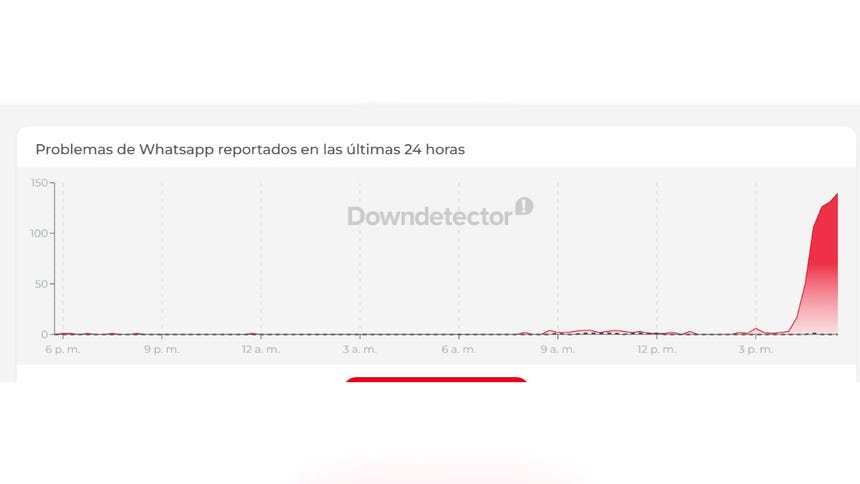
- 4:00 p.m. (PET): Downdetector registered a sharp spike in incident reports. The surge was categorized as a "confirmed service disruption," with the primary complaint shifting from "connection issues" to "media upload failures."
- 4:30 p.m. (PET): The outage reached its peak intensity. Data visualization from monitoring sites showed heavy concentrations of user reports originating from Peru, Colombia, and Mexico, with smaller but significant clusters appearing in parts of the United States and Canada.
- 5:15 p.m. (PET): Users began reporting that while some static images were finally beginning to transmit, video files remained stuck in an indefinite "loading" state.
- 6:00 p.m. (PET): As of the time of writing, service restoration appeared to be underway in a staggered fashion, though intermittent errors continued to plague a significant portion of the user base.
Supporting Data and Regional Impact
The scale of the disruption was evidenced by the volume of reports logged by Downdetector. In Mexico, the intensity of the service failure triggered a massive influx of reports, leading to a "red alert" status on the platform’s regional dashboard. Users in Colombia reported similar difficulties, with many noting that the failure to load images also affected the "Status" feature, which relies heavily on media hosting services.
This is not the first time WhatsApp has faced such challenges. However, the nature of this specific outage—where the chat interface remains functional but the data-heavy components fail—points to a potential issue with the Content Delivery Network (CDN) or the media compression and encryption servers that sit behind the main messaging API.
The reliance on these media features has grown exponentially over the last decade. WhatsApp is no longer just an SMS replacement; it is a primary tool for small business operations, news dissemination, and family archival. When these systems falter, the impact is felt far beyond mere inconvenience, affecting workflows and real-time information sharing.
The Ecosystem of Digital Dependency
The current outage serves as a stark reminder of the vulnerability of centralized communication platforms. When a single entity like Meta experiences a backend error, the digital lives of billions are momentarily paused.
Industry analysts have long pointed to the "monoculture" of messaging, where WhatsApp, Telegram, and Signal dominate the market. When the primary choice fails, users are forced to pivot to alternatives, yet the migration of entire social networks is rarely instantaneous. During the downtime, many users took to social media to discuss alternative communication protocols, highlighting a growing public consciousness regarding the need for decentralized or diversified communication strategies.
Official Responses and Corporate Silence
As of late Monday, neither WhatsApp nor its parent company, Meta, had issued a formal statement regarding the root cause of the disruption. In the corporate world of Big Tech, silence is often a strategy used while engineering teams work toward a resolution. Typically, such issues are attributed to "routine server maintenance gone wrong," "database migration errors," or "unexpected load balancing issues."
The lack of communication from the company, however, left millions of users in the dark. For professional users who utilize WhatsApp for business, the absence of a status update page that provides granular detail on which servers are failing is a point of significant contention. Unlike some enterprise cloud services that provide a live, detailed status dashboard, WhatsApp’s public-facing communication remains rudimentary, often relying on generic social media posts after the fact.
Implications for the Future
The implications of this incident are threefold:
- Economic Impact: Thousands of small and medium-sized enterprises (SMEs) that conduct transactions, send invoices, and share product imagery via WhatsApp were effectively shuttered for the duration of the outage.
- Infrastructure Resilience: The incident will likely prompt a review of Meta’s current server architecture. If a media-loading failure can trigger such a widespread disruption, it suggests that the integration between the messaging layer and the media storage layer may be too tightly coupled.
- User Trust: Reliability is the currency of the digital age. Recurring outages, even if they are partial and temporary, slowly erode the foundational trust that users place in a platform. As competitors continue to refine their feature sets, Meta cannot afford to treat these outages as minor technical hiccups.
Conclusion
While service began to stabilize for many by the early evening, the events of August 3, 2026, serve as a poignant case study in digital fragility. The "error" message that plagued users from Lima to Mexico City was a stark reminder that our global connectivity is managed by complex, fallible systems.
As we move toward a more integrated digital future, the demand for transparency and resilience in our communication infrastructure will only grow. For now, users are advised to clear their application cache and remain patient, as these global systems typically require a period of "propagation" before full functionality is restored to every user in every region.
Whether this was a minor glitch or a sign of deeper underlying issues within the Meta infrastructure remains to be seen. Until an official post-mortem is released by the company, the global user base is left to navigate the temporary silence of a platform that has become the world’s most essential town square.