In a significant move to bolster the financial security of Peru’s aging population, the Oficina de Normalización Previsional (ONP) has reaffirmed its commitment to the "Bonificación por Edad Avanzada" (BEA). This automatic benefit serves as a vital economic lifeline for thousands of retirees under the Decree Law 19990 system. As inflation fluctuates and the cost of living for senior citizens rises, this 25% increase represents more than just a bureaucratic adjustment; it is a recognition of the lifelong contributions made by Peru’s workforce.
This article provides a comprehensive deep dive into how this bonus functions, who qualifies, and why the "automatic" nature of the program is a landmark achievement in social security administration.
Main Facts: What is the BEA and Who Benefits?
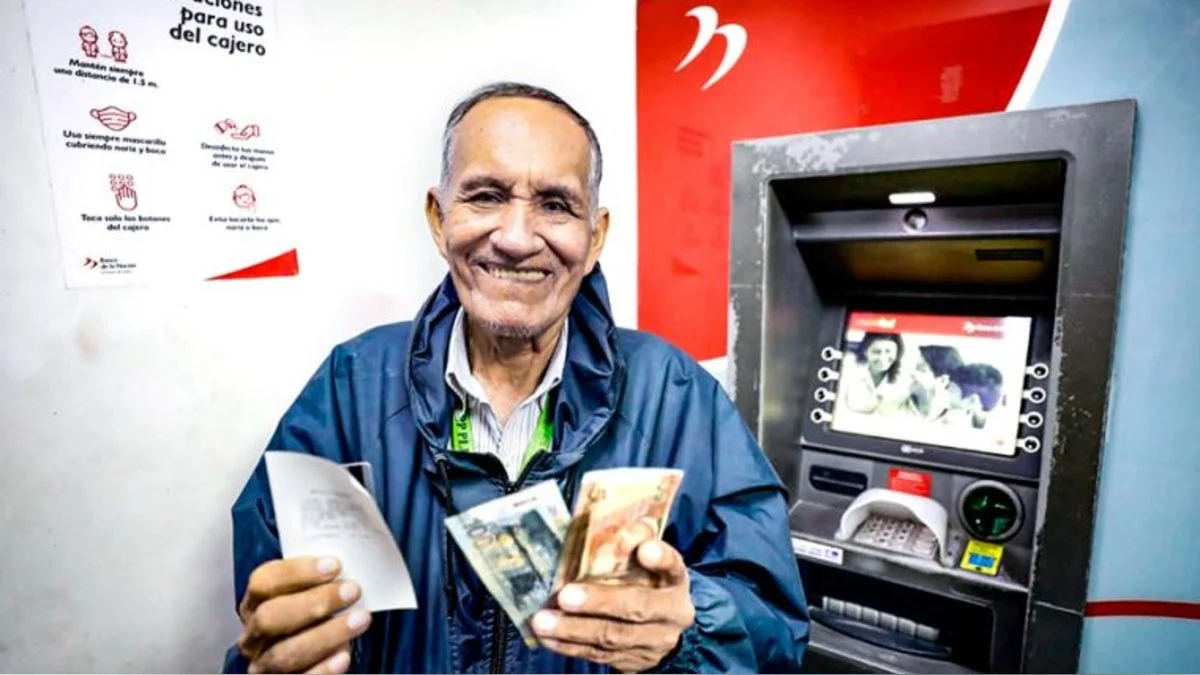
The Bonificación por Edad Avanzada (BEA) is a supplementary payment granted to retirees under the Decree Law 19990 who have reached the milestone of 80 years of age. The core principle of this benefit is simple: upon turning 80, the pension amount the individual was previously receiving is increased by a fixed percentage of 25%.
Key Highlights of the Benefit:
- Automatic Activation: Perhaps the most critical aspect of the BEA is that it requires no application. There are no forms to fill out, no lines to wait in, and no need to visit an ONP office. The system identifies the age of the pensioner and triggers the increase automatically.
- Permanent Addition: Once activated, this 25% increase is added to the monthly pension for life. It is not a one-time bonus but a structural increase to the individual’s regular monthly income.
- Eligibility Scope: The bonus applies to both regular pensioners (those with 20 or more years of contributions) and those receiving proportional pensions (those with 10 to 19 years of contributions).
However, it is crucial to note that the BEA is strictly tied to retirement pensions. It does not apply to beneficiaries of derivative pensions, such as those receiving payments for widowhood, orphanhood, or ascendancy.
Chronology: The Timeline of Implementation and Distribution
The administration of these payments follows a rigorous schedule, ensuring that the 145,318 beneficiaries across the nation receive their funds in a timely manner.
The August 2026 Payment Cycle
As of August 2026, the ONP has streamlined the disbursement process. The payment schedule is organized by the first letter of the retiree’s surname and their specific pension regime. This systematic approach reduces congestion at banking institutions and ensures that funds are deposited securely into the retirees’ accounts starting from the second Monday of the month—in this instance, August 10.
The Transition to Age 80
The transition to receiving the BEA follows a "trigger" event. The month following the retiree’s 80th birthday, the system registers the change in status. The internal processing by the ONP’s actuarial department ensures that the adjustment is reflected in the next payment cycle. This efficiency is a result of years of digital transformation within the ONP, moving away from manual record-keeping to a centralized, automated database.
Supporting Data: By the Numbers
To understand the scale of this initiative, one must look at the demographic data provided by the ONP. As of the latest reporting period in August 2026, the breakdown of the 145,318 beneficiaries is as follows:
- Regular Pensioners (20+ years of contributions): 133,370 individuals.
- Proportional Pensioners (10 to 19 years of contributions): 11,948 individuals.
Economic Impact Illustration
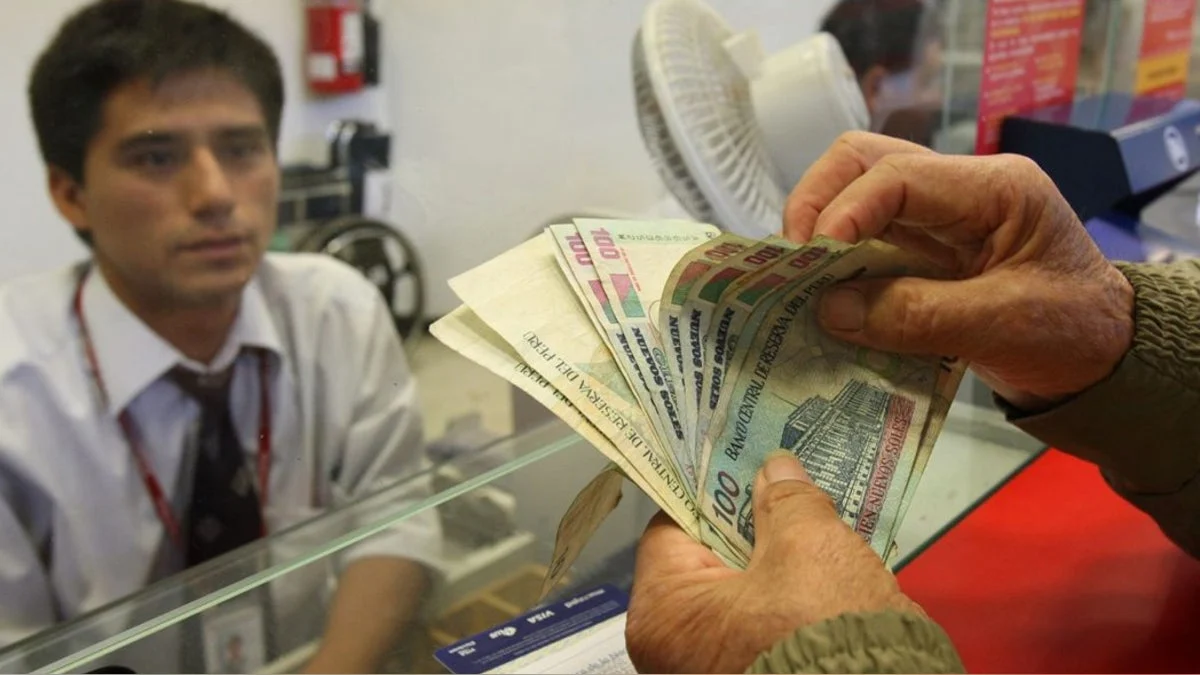
The math behind the BEA is designed to be transparent and easy to calculate. If a retiree was receiving a pension of S/ 800 before reaching the age of 80, the 25% calculation results in an additional S/ 200. Consequently, the pensioner’s new monthly base becomes S/ 1,000.
This percentage-based model is highly beneficial because it scales with the individual’s pension level. It ensures that those who contributed more throughout their working lives—and thus earned a higher pension—receive a proportionally higher bonus, maintaining a degree of parity in their increased purchasing power.
Official Responses and Administrative Guidance
The ONP has emphasized that the "automatic" nature of the BEA is intended to prevent fraud and reduce the burden on elderly citizens who may have mobility challenges. By removing the requirement for physical documentation or in-person appearances, the state protects vulnerable seniors from potential exploitation by intermediaries or scammers.
How to Verify and Inquire
While the process is automated, the ONP recognizes that retirees and their families may have questions regarding the specific timing of the increase or the calculation of their total pension. To address this, the institution has provided several channels for support:
- "ONP Te Escucha" (ONP Listens): A dedicated phone line, (01) 634-2222, is available for direct consultation. Operators are trained to provide guidance on option 1, specifically for existing pensioners.
- Service Hours: To ensure the quality of service, the support center operates from Monday to Friday, between 8:00 a.m. and 5:30 p.m.
- Digital Portal: The "ONP Virtual" platform allows users to check their payment status, download receipts, and confirm if the BEA has been correctly applied to their account.
The ONP advises that if a pensioner has reached the age of 80 and does not see the increase reflected, they should use the ONP Virtual platform to verify their data or call the support line to ensure that their birth date and contribution history are correctly updated in the system.
Implications: The Social and Economic Impact
The implementation of the Bonificación por Edad Avanzada carries significant implications for the Peruvian pension system and the socioeconomic stability of its elderly citizens.
Reducing "Old-Age Poverty"
As individuals reach their 80s, medical expenses and the need for specialized care often increase. By providing a 25% boost, the state acknowledges the "cost of aging." This extra liquidity allows retirees to better manage the rising costs of medication, basic nutrition, and home maintenance.
Building Trust in the System
In many pension systems globally, the lack of transparency or the difficulty of accessing benefits leads to public disillusionment. By making the BEA automatic, the ONP fosters a sense of trust. It demonstrates that the state is monitoring the needs of its pensioners and fulfilling its promises without requiring a complex administrative battle.
Future-Proofing the Pension Fund
While the cost of the BEA is significant, the ONP has structured it as a sustainable element of the Decree Law 19990. By maintaining a clear distinction between regular pensioners and proportional pensioners, the state manages the fiscal impact while ensuring that the most vulnerable—those who did not reach the full 20-year contribution threshold—are still supported.
A Model for Regional Social Policy
The Peruvian model of an automatic age-related bonus is increasingly being looked at by other Latin American nations. The simplicity of the "trigger at 80" mechanism serves as a blueprint for how social security systems can provide targeted support to the oldest segment of the population without creating bureaucratic bottlenecks.
Conclusion
The Bonificación por Edad Avanzada (BEA) is a vital component of the social safety net for thousands of Peruvian retirees. By providing an automatic 25% increase to those who have reached the age of 80, the ONP provides both financial relief and a measure of dignity to those who have spent their lives contributing to the nation’s development.
For those approaching this milestone, the message from the ONP is clear: your contribution is recognized, your needs are monitored, and your benefits will be delivered automatically. In an era where digital systems often complicate life, this initiative remains a refreshing example of how technology and policy can work in tandem to support the most vulnerable. As the August 2026 payment cycle rolls out, over 145,000 families will see the tangible impact of this policy—a small but meaningful contribution to the quality of life for Peru’s seniors.