Executive Summary: A Diplomatic Standoff
The Peruvian Ministry of Foreign Affairs has taken a firm stance against the Russian Federation, summoning Ambassador Alekséi Ushakov to Lima to address a growing humanitarian crisis involving Peruvian citizens caught in the crossfire of the ongoing war between Russia and Ukraine. As the conflict intensifies, the Peruvian government has escalated its diplomatic efforts to locate 114 nationals who remain missing, amidst harrowing reports of forced recruitment and human rights abuses.
This diplomatic intervention marks a critical juncture in Peru’s foreign policy, as the government seeks to balance international relations with the fundamental duty to protect its citizens. With 459 Peruvians having been identified as having enlisted in the conflict—many under deceptive pretenses—the situation has evolved from a consular issue into a major humanitarian emergency that is straining the bilateral relationship between Lima and Moscow.
The Chronology of a Humanitarian Crisis
The path to this diplomatic confrontation has been paved by months of uncertainty and mounting evidence of exploitation. The crisis began to unfold when reports surfaced that dozens of young Peruvian men were being targeted by illicit human trafficking networks. These networks, operating under the guise of legitimate employment agencies, promised lucrative roles in security or logistics within Russia.
The Recruitment Trap
Once on Russian soil, these individuals found themselves stripped of their passports and coerced into military service. The "bait and switch" tactic involved signing contracts in a language they did not understand, effectively trapping them in a cycle of forced labor and combat.
- Initial Discovery: Families in Peru began reporting that their relatives had suddenly ceased all communication.
- The First Wave of Repatriation: Following persistent pressure from the Ministry of Foreign Affairs (Torre Tagle), authorities managed to facilitate the return of 27 individuals. Among the most recent successes were four young men who escaped from the front lines, providing testimony about the deceptive nature of their recruitment.
- Diplomatic Escalation: Following the failure of lower-level consular inquiries to yield consistent data, the government officially summoned Ambassador Ushakov to provide an exhaustive accounting of all Peruvians currently under Russian custody or in military units.
Supporting Data: The Scale of the Tragedy
The figures provided by the Peruvian Ministry of Foreign Affairs are stark and underscore the gravity of the situation. As of the latest update, the statistical breakdown of the Peruvian presence in the conflict zone is as follows:
- Total Identified Enlistees: 459
- Confirmed Fatalities: 11
- Total Missing: 114
- Captured by Ukrainian Forces: 3
- Successfully Evacuated/Repatriated: 31 (28 of whom have returned to Peru with assistance from the Ministries of Health and Vulnerable Populations).
These numbers, while precise, do not capture the psychological trauma endured by the families. For the 114 families of the missing, the lack of information from the Russian Ministry of Defense is not merely an administrative hurdle; it is a profound violation of the right to information and human dignity.
Official Responses and Diplomatic Pressure
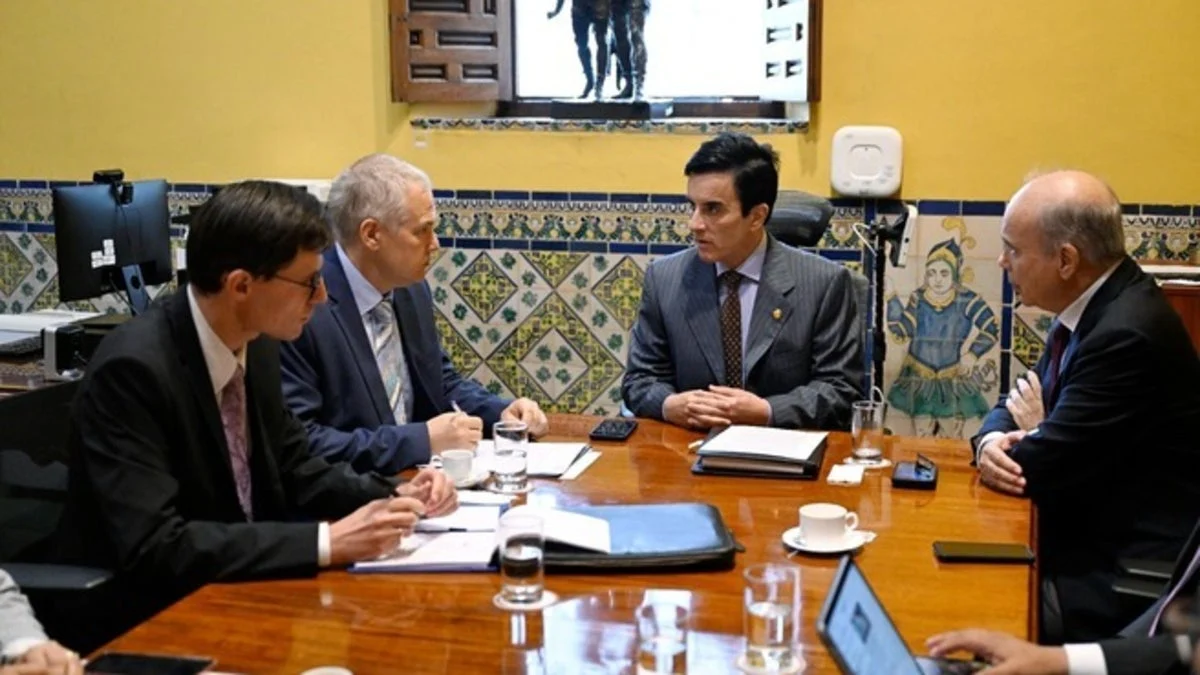
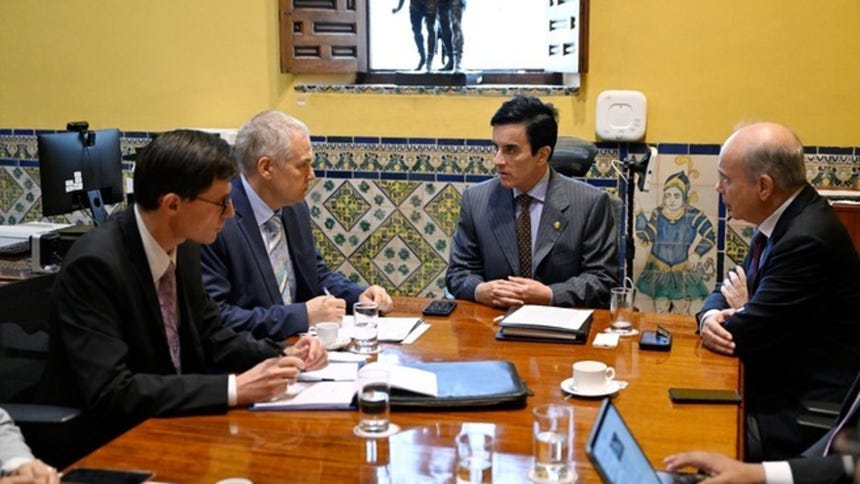
During the high-level meeting at the Foreign Ministry, Chancellor Carlos Espá articulated the government’s position with unprecedented clarity. Speaking on behalf of the administration, he emphasized that the request for information is not only a matter of sovereign concern but a moral imperative.
The Stance of the Executive
The Chancellor relayed a formal request from President Keiko Fujimori, demanding that Moscow grant immediate access to information regarding the current status and location of all Peruvian nationals. The Ministry argued that this request is grounded in international humanitarian law and the universal right to information regarding the status of missing persons during armed conflicts.
The Role of Torre Tagle
The Peruvian Foreign Ministry, historically known as "Torre Tagle," has mobilized significant resources to address this issue:
- Direct Diplomatic Engagement: The Ministry has held over 25 separate working sessions with the families of the victims to ensure their voices are heard and that their specific concerns are relayed to the Russian embassy.
- Special Envoy: A dedicated special delegate has been dispatched to Moscow. This envoy’s primary mission is to bypass bureaucratic delays and conduct on-the-ground inquiries into the whereabouts of the missing.
- Cross-Ministerial Collaboration: The Ministry of Foreign Affairs is working in tandem with the Ministry of Women and Vulnerable Populations and the Ministry of Health to ensure that those who do return are provided with the necessary psychological and physical medical care to reintegrate into Peruvian society.
Implications: A Darker Reality Behind the Front Lines
The situation is further complicated by testimonies emerging from those who have successfully escaped. Families of the victims have gathered outside the Russian embassy in Lima to voice allegations that are deeply disturbing to the international community.
Allegations of Mistreatment
According to accounts provided by the families, the conditions for those held in military hospitals are dire. Reports suggest that wounded Peruvian nationals are being denied adequate medical care and, in some cases, are being forcibly returned to the front lines while still recovering from severe injuries. These claims, if verified, would constitute clear violations of the Geneva Conventions and international norms regarding the treatment of combatants and non-combatants alike.
The Moral and Ethical Debate
The presence of Peruvian citizens in a distant European conflict has sparked a national debate within Peru. Critics of the government’s initial response argue that more should have been done to warn citizens of the dangers of accepting "too good to be true" job offers in conflict zones. Conversely, supporters of the current diplomatic push argue that the government is now fulfilling its primary obligation to its citizens by refusing to accept the "silence" often afforded to such cases in the fog of war.

The ongoing crisis has also drawn attention to the "moral bankruptcy" of international oversight. As noted by experts in global affairs, the disparity in international response to various conflicts highlights the difficulty for smaller nations like Peru to secure transparency from major world powers during wartime.
Future Outlook: The Road Ahead
The Peruvian government has made it clear that its commitment to its nationals is not contingent upon their location. Deputy Foreign Minister Eric Anderson reiterated that the state will continue to track every individual until they are either accounted for or returned to their homes.
The diplomatic standoff with Russia presents a litmus test for Peru’s international influence. Whether Moscow will choose to cooperate and provide the requested data, or whether it will continue to prioritize its wartime agenda over consular obligations, remains to be seen. In the meantime, the families of the 114 missing men remain in a state of suspended animation, waiting for a word from the Russian authorities that could mean the difference between hope and closure.
The Ministry of Foreign Affairs has promised that the next phase of its intervention will involve taking the case to international human rights bodies if the Russian Federation continues to withhold critical information. For now, the focus remains on the "diplomatic track," with the hope that continued, persistent pressure will compel Moscow to fulfill its obligations under international law.
As the situation evolves, the international community watches closely. The plight of these Peruvian citizens serves as a grim reminder of the human cost of modern warfare, where vulnerable individuals from across the globe are frequently caught in the machinery of conflicts they did not start and often do not understand.