Lima, Peru – February 2026 – In a significant move to enhance environmental stewardship within its vital mining industry, Peru’s Ministry of Energy and Mines (MINEM), with crucial technical input from the Environmental Assessment and Enforcement Agency (OEFA), has approved two pivotal normative instruments. These new regulations mandate specific content for mine closure plans and establish standardized requirements for semi-annual progress reports on these plans. The overarching goal is to bolster OEFA’s supervisory capabilities, ensuring greater transparency, uniformity, and effectiveness in monitoring the environmental commitments made by mining operations.
The approval of Ministerial Resolution No. 257-2026-MINEM/DM, which details the minimum content of Mine Closure Plans, and Ministerial Resolution No. 256-2026-MINEM/DM, outlining the requirements for progress reports on these plans, marks a critical step forward. These measures are designed to elevate the quality of environmental management information submitted by mining companies from the initial formulation stages of closure plans. By standardizing the information required, OEFA can conduct more rigorous technical evaluations, leading to a more uniform, transparent, and efficient oversight process. This, in turn, will strengthen the monitoring of environmental commitments aimed at preventing, mitigating, and controlling the potential impacts of mining operations upon their conclusion.
OEFA’s Technical Prowess Driving Regulatory Advancement
The technical proposal that formed the bedrock of these new regulations was the product of a dedicated, multidisciplinary team within OEFA. Comprised of specialists from both technical and legal departments, this team worked collaboratively to meticulously draft and consolidate the requirements for both the Mine Closure Plans and their subsequent progress reports. The engineering expertise was provided by José Farfán, Homero Mejía, Christian Díaz, Richard Tipula, and Adriana Martínez. Complementing their technical insights were the legal contributions of Sandra Echevarría, José Pando, Karen Quintana, and Gabriela Salvador. Their collective efforts ensured that the proposed framework was robust, legally sound, and technically feasible for implementation.
The development of the final proposal was a collaborative endeavor, involving OEFA, the General Directorate of Mining Environmental Affairs (DGAAM), and the General Directorate of Mining (DGM) – all integral components of MINEM. This inter-agency cooperation underscores a unified commitment to improving environmental governance in the mining sector. Furthermore, the proposed regulations underwent a thorough public consultation process. This crucial phase allowed stakeholders, including industry representatives, environmental organizations, and the general public, to provide valuable input, which was then carefully considered and incorporated to enrich the final approved instruments. This transparent and participatory approach is a testament to OEFA’s dedication to developing regulations that are not only effective but also broadly accepted and understood.
A Chronicle of Enhanced Environmental Governance
The journey towards these new regulations is a testament to Peru’s evolving approach to environmental management in its crucial mining sector. Historically, the closure of mining operations has presented significant environmental challenges, often leaving behind legacies of pollution and ecological degradation if not managed meticulously. Recognizing this, Peruvian authorities have progressively sought to strengthen the regulatory framework governing mine closure.
Early Frameworks and the Genesis of Closure Plans:
In the nascent stages of modern mining regulation in Peru, the concept of formal mine closure plans was less developed. While environmental considerations were present, the specific requirements for detailed closure planning and ongoing reporting were often less prescriptive. This led to a variability in the quality and comprehensiveness of plans submitted by different mining companies, making consistent oversight challenging.
The Emergence of OEFA and Increased Scrutiny:
The establishment and subsequent empowerment of OEFA marked a turning point. As the primary environmental enforcement agency, OEFA began to play a more assertive role in monitoring compliance with environmental regulations. This included a growing focus on the post-operational phase of mining, where the long-term environmental impacts are most pronounced. OEFA’s increased capacity for technical assessment and its mandate to enforce environmental laws created a demand for more detailed and standardized information from mining companies.
The Need for Standardized Documentation:
The need for standardized Mine Closure Plans became increasingly apparent. Without clear guidelines on what information should be included, the evaluation process was often ad-hoc. This meant that the effectiveness of closure plans could vary significantly, depending on the company’s internal expertise and the specific requirements of the regulatory bodies at the time of submission. Similarly, the reporting of progress on these plans lacked uniformity, making it difficult for OEFA to track the implementation of crucial environmental mitigation and rehabilitation measures effectively.
Collaborative Development and Public Consultation:
The development of the current resolutions can be traced back to a concerted effort by MINEM and OEFA to address these systemic issues. Recognizing that robust environmental closure requires a detailed, technically sound plan and consistent monitoring, the agencies embarked on a path of collaborative development. The formation of a multidisciplinary OEFA team, comprising engineers and legal experts, was a strategic move to ensure that the proposed regulations were both technically rigorous and legally robust.
The decision to involve DGAAM and DGM within MINEM was critical for ensuring alignment across different governmental bodies responsible for mining regulation. This integrated approach aimed to create a seamless regulatory pathway from planning through to execution and oversight. The subsequent public consultation phase was a crucial democratic and participatory element. It allowed for a broader dialogue, incorporating diverse perspectives and ensuring that the final regulations were well-informed and broadly supported, a critical factor for successful implementation.
The Present Moment: A Leap Forward in Environmental Protection:
The approval of Ministerial Resolutions No. 257-2026-MINEM/DM and No. 256-2026-MINEM/DM represents the culmination of this multi-year effort. These resolutions are not merely incremental updates; they signify a qualitative leap forward in Peru’s commitment to responsible mining. By defining the minimum content of closure plans and standardizing progress reporting, Peru is establishing a more robust and transparent framework for managing the environmental legacy of its mining sector, ensuring that operations conclude with a clear and actionable plan for environmental restoration and long-term protection.
Supporting Data and the Technical Rationale
The technical rationale underpinning the new regulations is multifaceted, drawing on best practices in environmental management and the specific challenges observed in Peru’s diverse mining landscape. The core objective is to ensure that Mine Closure Plans are comprehensive, scientifically sound, and clearly outline the steps necessary to achieve post-mining environmental stability.
Key Components of Enhanced Mine Closure Plans (Resolution No. 257-2026-MINEM/DM):
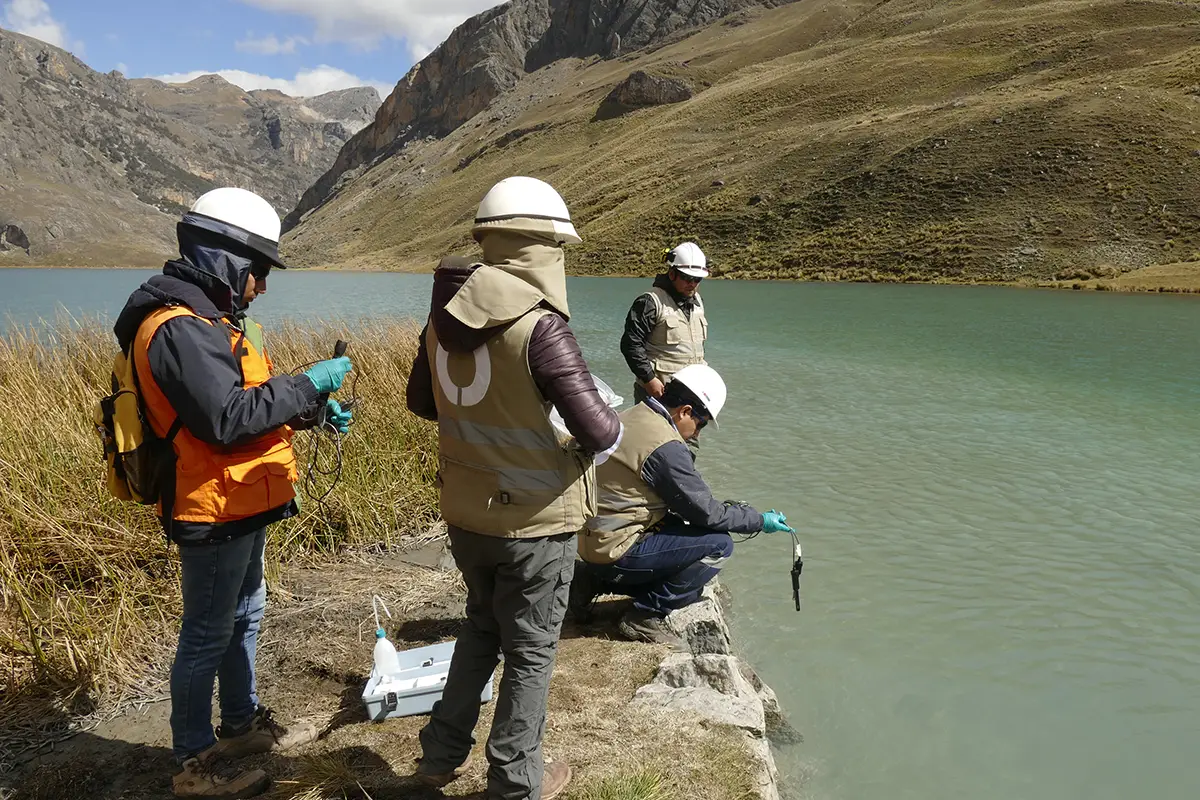
- Detailed Baseline Environmental Characterization: The regulations now require a more in-depth baseline study of the environmental conditions at the mine site prior to closure. This includes comprehensive data on soil quality, water resources (surface and groundwater), air quality, biodiversity, and socio-economic conditions. This detailed baseline serves as the critical reference point against which the success of closure and rehabilitation activities will be measured. Without accurate baseline data, it is impossible to determine if environmental restoration has been achieved.
- Risk Assessment and Management: A mandatory component is a thorough environmental risk assessment, identifying potential hazards associated with the mine’s closure, such as the release of acid mine drainage, dust generation, slope instability, and potential contamination of water sources. The plan must then detail specific mitigation and management strategies for each identified risk. This proactive approach aims to prevent future environmental problems rather than reacting to them.
- Rehabilitation and Restoration Strategies: The resolutions demand detailed, site-specific strategies for the physical and ecological rehabilitation of disturbed areas. This includes plans for re-vegetation using native species, soil stabilization, landform reshaping to mimic natural topography, and the management of mine waste facilities to ensure long-term stability and minimize environmental impact. The emphasis is on achieving functional ecological restoration where possible.
- Post-Closure Monitoring and Maintenance Plan: A critical addition is the requirement for a comprehensive post-closure monitoring and maintenance plan. This plan outlines the long-term surveillance activities needed to ensure the continued effectiveness of closure measures, the stability of rehabilitated areas, and the absence of ongoing environmental contamination. It specifies the parameters to be monitored, the frequency of monitoring, and the responsible parties for an extended period, often decades, depending on the nature of the mine and its potential impacts.
- Financial Assurance Mechanisms: While not explicitly detailed as a new requirement in the provided text, robust financial assurance mechanisms are intrinsically linked to effective closure plans. The regulations implicitly push for plans that are adequately funded, ensuring that the financial resources are available to implement all closure and post-closure activities.
Standardized Progress Reporting (Resolution No. 256-2026-MINEM/DM):
The standardization of semi-annual progress reports is equally vital for effective oversight. These reports will provide OEFA with consistent, up-to-date information on the implementation status of the approved Mine Closure Plans.
- Consistent Reporting Format: The new regulations will mandate a uniform template for these reports, ensuring that all mining companies submit information in a standardized format. This simplifies the review process for OEFA and allows for direct comparison of progress across different operations.
- Key Performance Indicators (KPIs): The reports will likely require the inclusion of specific Key Performance Indicators (KPIs) related to the execution of closure activities. These might include the area rehabilitated, volume of waste managed, water quality monitoring results, and progress in implementing specific mitigation measures.
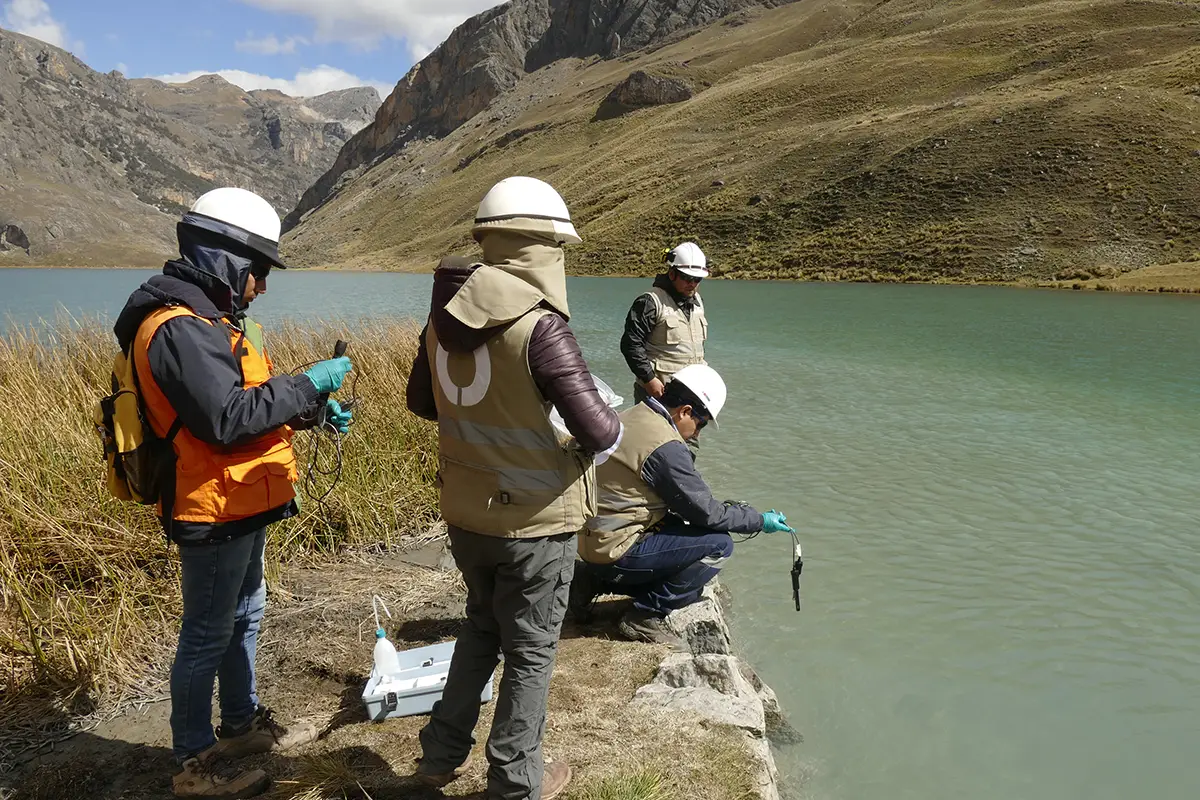
- Documentation of Activities: Companies will be required to provide clear documentation of all closure activities undertaken during the reporting period, supported by photographic evidence, laboratory results, and technical reports where applicable.
- Identification of Deviations and Corrective Actions: The reports must also highlight any deviations from the approved closure plan, along with detailed explanations for these deviations and the proposed corrective actions. This transparency is crucial for identifying potential issues early and addressing them proactively.
The technical expertise of the OEFA team, including engineers like José Farfán and Homero Mejía, was instrumental in defining these technical requirements. Their understanding of mining processes, environmental science, and engineering principles ensured that the proposed content was practical, scientifically defensible, and aligned with the goal of achieving genuine environmental remediation. The legal input from professionals such as Sandra Echevarría and José Pando was crucial in translating these technical requirements into legally binding obligations, ensuring clarity and enforceability.
Official Responses and the Path Forward
The Ministry of Energy and Mines, through the issuance of these Ministerial Resolutions, has signaled a clear and unwavering commitment to elevating environmental standards within Peru’s mining sector. The proactive involvement of OEFA in developing the technical underpinnings of these regulations demonstrates a strong inter-agency collaboration aimed at achieving tangible improvements in environmental protection.
Ministerial Statements and Commitments:
While specific direct quotes from MINEM officials were not provided in the source material, the action of approving these resolutions speaks volumes. The Ministry’s decision to enact these new regulations signifies:
- Recognition of Environmental Imperatives: MINEM acknowledges the critical importance of responsible mine closure for safeguarding Peru’s natural heritage and the well-being of its citizens. The resolutions represent a proactive response to the potential long-term environmental liabilities associated with mining.
- Strengthening Regulatory Frameworks: The Ministry is actively working to modernize and strengthen its regulatory apparatus to meet contemporary environmental challenges. The focus on detailed planning and robust reporting indicates a move towards a more preventative and less reactive approach to environmental management.
- Support for OEFA’s Mandate: By adopting OEFA’s technical proposals, MINEM is endorsing the agency’s crucial role in environmental oversight and enforcement. This strengthens OEFA’s capacity to fulfill its mission effectively.
OEFA’s Perspective and Future Role:
OEFA, through its technical contributions and the public affirmation of its role, has clearly articulated its dedication to enhancing environmental governance. The agency views these new regulations as essential tools for:
- Improving Transparency and Accountability: The standardized requirements for Mine Closure Plans and progress reports will make it easier for OEFA to assess compliance and hold mining companies accountable for their environmental commitments. This transparency benefits not only regulatory bodies but also the public, who can have greater confidence in the environmental management practices of the mining industry.
- Facilitating Efficient Oversight: By streamlining the information gathering and review process, OEFA can dedicate more resources to in-depth technical analysis and field inspections, rather than spending excessive time deciphering inconsistent or incomplete reports. This leads to more targeted and effective enforcement actions.
- Promoting Best Practices: The clear definition of what constitutes an acceptable closure plan encourages mining companies to adopt higher environmental standards and invest in best available technologies and practices for rehabilitation and long-term environmental protection.
Looking Ahead:
The successful implementation of these new regulations will depend on several factors:
- Effective Communication and Training: MINEM and OEFA will need to ensure that mining companies fully understand the new requirements and have access to adequate training and guidance on how to comply.
- Adequate Resource Allocation: OEFA will require sufficient financial and human resources to effectively process, review, and enforce the new regulations. This includes specialized technical staff capable of evaluating complex closure plans and monitoring their implementation.
- Continuous Review and Adaptation: The mining sector is dynamic. OEFA and MINEM should establish a mechanism for periodically reviewing the effectiveness of these regulations and adapting them as needed to address emerging challenges and incorporate advancements in environmental science and technology.
The commitment demonstrated by both MINEM and OEFA in developing and approving these comprehensive regulations marks a significant stride towards a more sustainable and environmentally responsible mining future for Peru.
Implications for the Mining Sector and Environmental Protection
The introduction of these enhanced normative instruments by MINEM, with significant technical contributions from OEFA, carries profound implications for Peru’s mining sector and the broader landscape of environmental protection. These changes are not merely bureaucratic adjustments; they represent a fundamental strengthening of the framework governing the responsible closure of mining operations, a critical phase that often presents the most enduring environmental challenges.
For the Mining Industry:
- Increased Planning Rigor and Investment: Mining companies will need to allocate greater resources and expertise to the development of their Mine Closure Plans. This will necessitate more thorough baseline studies, detailed risk assessments, and comprehensive rehabilitation strategies. Companies will likely need to engage specialized environmental consultants and invest in advanced technologies to meet the elevated standards.
- Enhanced Financial Provisions: The emphasis on comprehensive closure and post-closure plans implicitly demands robust financial assurance mechanisms. Companies will need to ensure that adequate funds are set aside to cover all closure and long-term monitoring obligations, potentially leading to increased financial liabilities but also greater certainty in the execution of these plans.
- Long-Term Stewardship and Accountability: The requirement for detailed post-closure monitoring and maintenance plans signifies a shift towards a longer-term view of environmental responsibility. Mining companies will be held accountable for the environmental performance of their sites for extended periods, even after operations have ceased. This fosters a culture of continuous stewardship.
- Potential for Streamlined Permitting Processes (in the long run): While initial planning might become more intensive, companies that develop high-quality, compliant closure plans may eventually benefit from more predictable and efficient regulatory processes, as OEFA will have clearer guidelines for evaluation.
For Environmental Protection and Public Well-being:
- Reduced Legacy Pollution: The most significant implication is the potential for a substantial reduction in the environmental legacy of mining. By mandating comprehensive plans for remediation, waste management, and ecological restoration, Peru is actively working to prevent the long-term contamination of soil, water, and air that has historically plagued former mining sites.
- Improved Water Resource Management: Mining operations can have significant impacts on water resources. The enhanced focus on baseline water quality, risk assessment related to acid mine drainage, and post-closure monitoring will contribute to the protection of both surface and groundwater, ensuring the availability of clean water for ecosystems and communities.
- Biodiversity Conservation and Habitat Restoration: The requirement for rehabilitation using native species and the reshaping of landforms aims to restore ecological functions and habitats, contributing to biodiversity conservation in areas impacted by mining. This moves beyond mere stabilization to active ecological recovery.
- Enhanced Public Health and Safety: By mitigating environmental risks such as dust generation, slope instability, and water contamination, the new regulations directly contribute to safeguarding the health and safety of nearby communities. Reduced environmental hazards translate into a healthier living environment.
- Increased Transparency and Public Trust: The standardized reporting and the public consultation process foster greater transparency in mining operations. This can help build public trust and confidence in the government’s ability to effectively regulate the industry and protect the environment.
Broader Economic and Social Implications:
While the immediate focus is environmental, these regulations also have broader implications:
- Sustainable Resource Development: By integrating robust environmental closure into the lifecycle of mining projects, Peru is promoting a more sustainable model of resource development, ensuring that economic benefits from mining do not come at the irreversible cost of environmental degradation.
- Attracting Responsible Investment: A strong and consistently enforced environmental regulatory framework can attract international mining companies that prioritize environmental, social, and governance (ESG) principles, potentially leading to higher quality investments in the sector.
- Strengthening the Rule of Law: The effective implementation and enforcement of these regulations reinforce the rule of law in Peru, demonstrating the government’s capacity to regulate powerful industries and uphold environmental standards.
In conclusion, the technical contributions of OEFA and the regulatory actions of MINEM represent a pivotal moment in Peru’s journey towards responsible mining. These new regulations are not merely a set of rules; they are a strategic investment in the long-term health of Peru’s environment, the sustainability of its vital mining sector, and the well-being of its people. The success of these initiatives will hinge on consistent implementation, ongoing vigilance, and a continued commitment to adapting to the evolving challenges of environmental stewardship.