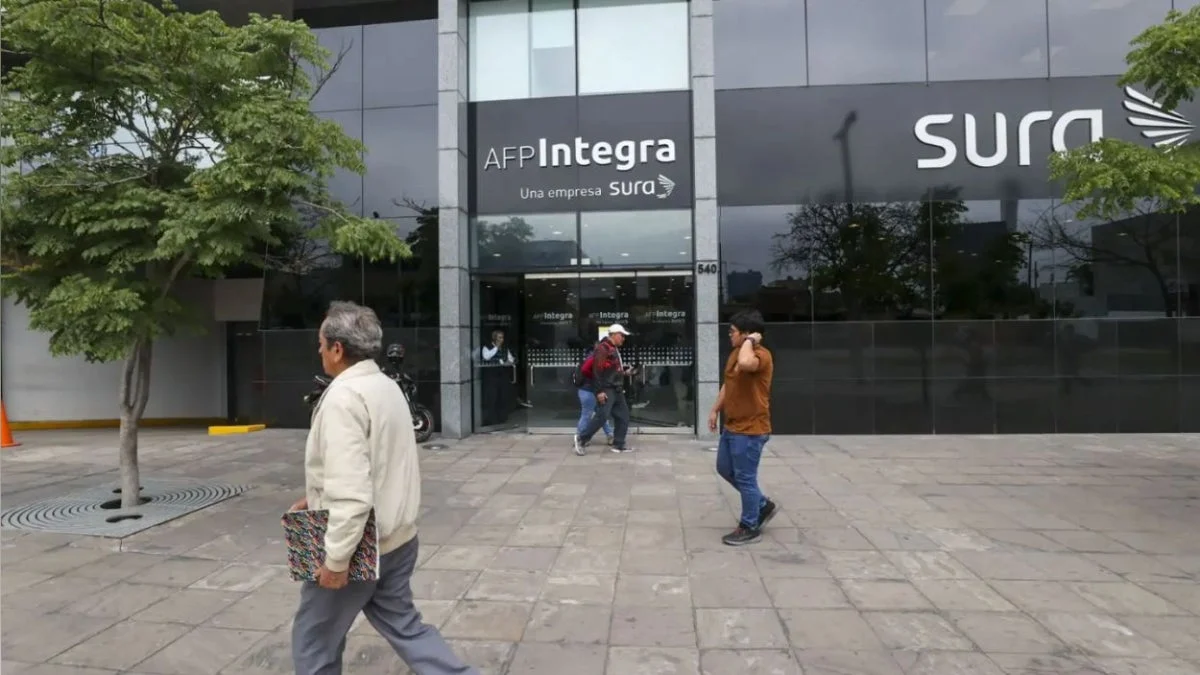
The Peruvian financial landscape is undergoing a structural transformation of historic proportions. In a move that signals the beginning of a new epoch for the private pension system, AFP Integra has officially requested authorization from the Superintendencia de Banca, Seguros y AFP (SBS) to incorporate "private annuities" (rentas particulares) into its service portfolio.
This strategic maneuver, facilitated by the recently enacted Law No. 32123 (Law for the Modernization of the Peruvian Pension System), marks a pivotal departure from the traditional model. If approved, AFP Integra will transition from being a specialized pension fund administrator into a dual-purpose insurance and pension entity. This evolution represents more than a regulatory update; it is a fundamental shift in how retirement, savings, and long-term financial stability will be managed for over 10.5 million affiliates across the country.
Main Facts: A Strategic Pivot
The request submitted by AFP Integra to the SBS is the first of its kind under the new legislative framework. For decades, Peruvian AFPs have operated under a rigid mandate: to manage individual capitalization accounts for retirement. By seeking to offer private annuities, Integra aims to diversify its business model, moving beyond the standard accumulation-and-payout cycle to offer broader, more integrated insurance and retirement solutions.
The company has emphasized that this transition is a long-term strategic play. By leveraging more than three decades of experience in the market, the firm intends to place the client’s comprehensive financial health at the center of its operations. Crucially, the company has provided formal assurances that the core functions of the AFP—such as the administration of individual pension funds and client support—will remain unaffected and continue with full operational continuity.
Chronology of the Pension Reform
To understand the significance of this move, one must examine the timeline of the Peruvian pension reform:
- 2023–2024 (Legislative Process): Extensive debates took place within the Peruvian Congress regarding the systemic inefficiencies of the current pension model, characterized by high volatility and limited competitive options for retirees.
- September 2024 (Enactment of Law 32123): The Peruvian government officially enacted the "Law for the Modernization of the Peruvian Pension System." This legislation created the legal bedrock for the entry of new market players, including banks and insurance companies, into the pension management space.
- Late 2024 (The Request): AFP Integra formally filed its application with the SBS to expand its business scope, effectively testing the limits of the new law.
- 2025–2026 (The Transition Period): Regulators are expected to define the technical specifications and capital requirements for entities seeking to operate as both pension and insurance providers.
- 2027 (The Market Opening): The year marks the formal "go-live" for the expanded competitive market. Banks and other financial institutions will be fully eligible to enter the pension management arena, breaking the long-standing oligopoly of the four major AFPs.
Supporting Data and Market Dynamics
The Peruvian private pension system currently oversees the savings of approximately 10.5 million citizens. The market is currently dominated by four major players, each backed by substantial financial conglomerates:
- AFP Integra: Owned by the Grupo SURA, a regional powerhouse in insurance, investment, and pensions.
- Prima AFP: A subsidiary of Credicorp, the holding company for the Banco de Crédito del Perú (BCP).
- Profuturo AFP: Part of the Scotiabank group, which provides the fund with significant cross-selling and infrastructure capabilities.
- AFP Habitat: Linked to the Chilean conglomerate Inversiones La Construcción (ILC) and Prudential Financial.
The data suggests that the sector is ripe for consolidation. With the new law, the SBS anticipates that at least three major economic groups are actively evaluating an entry into the pension market. The synergy between banking platforms and pension administration is the clear future trend. By leveraging existing branch networks, digital banking platforms, and established customer bases, banks are expected to significantly lower the operational costs of managing pension accounts.
Official Responses and Regulatory Outlook
Sergio Espinosa, the Superintendent of the SBS, has been instrumental in shaping the public discourse regarding this transition. In recent interviews, Espinosa underscored that the goal of the reform is to foster a "competitive environment that incentivizes efficiency and better returns for the affiliate."
Espinosa highlighted the potential for "vertical integration" within financial groups. For example, banks that own AFPs may choose to fully absorb the pension administration unit into their broader banking structure. This would allow them to utilize their existing technological infrastructure to provide a "one-stop-shop" experience for users.
Regarding the application from AFP Integra, the SBS has adopted a cautious, rigorous approach. The regulator is currently evaluating the risk management protocols, capital adequacy, and the technical capacity of the entity to manage annuity products alongside pension funds. The regulatory stance is clear: any expansion of services must not compromise the solvency or the security of the existing pension funds.
Implications of the Shift
For the Individual Affiliate
The most immediate impact for the average worker will be the diversification of choice. Currently, the relationship between an affiliate and their AFP is largely transactional and mandatory. Under the new model, affiliates may find themselves in a position where they can manage their savings, their insurance policies, and their future retirement income through a single, integrated platform. This could potentially reduce the "friction" involved in planning for long-term financial security.
For the Financial Market
The entry of banks and specialized insurance companies starting in 2027 will likely exert downward pressure on management fees and commissions. As seen in other Latin American markets, when the "pension-only" barrier is removed, the resulting competitive intensity forces firms to innovate. We may see new, hybrid investment products that combine fixed-income annuities with variable-return pension funds, offering more tailored profiles for different stages of a worker’s career.
For the Corporate Sector
The move by AFP Integra to "rebrand" itself as an insurance and pension entity is a defensive and offensive maneuver simultaneously. By securing a first-mover advantage, Integra is signaling to its shareholders that it intends to remain the dominant player in the post-2027 landscape. Other firms are now effectively on the clock. If they do not prepare for the integration of services, they risk losing market share to agile banking groups that can offer a superior digital experience.
Conclusion: The Road to 2027
The request filed by AFP Integra is the first domino to fall in a broader structural transformation of the Peruvian economy. While the immediate operations of the AFP will remain stable, the underlying strategic orientation of the firm has changed irrevocably.
As we approach 2027, the Peruvian pension system will shift from a legacy of "captive" administration to a dynamic, competitive market where the lines between banking, insurance, and social security blur. For the millions of Peruvians contributing to their future, the promise is one of greater choice and, hopefully, more robust retirement outcomes. However, the success of this transition rests entirely on the SBS’s ability to maintain high regulatory standards while fostering the innovation that the law intended to spark.
The journey has just begun, and as AFP Integra waits for the regulatory green light, the rest of the financial sector is watching closely, preparing for a landscape that will never look the same again.