By IDLADS | May 15, 2017
In the delicate architecture of a Constitutional and Democratic State, the primary measure of legitimacy is the protection of vulnerable groups. Among the most critical of these protections are the collective rights of Indigenous peoples—rights that mandate consultation whenever legislative or administrative measures directly affect their territories, legal standing, or ancestral heritage.
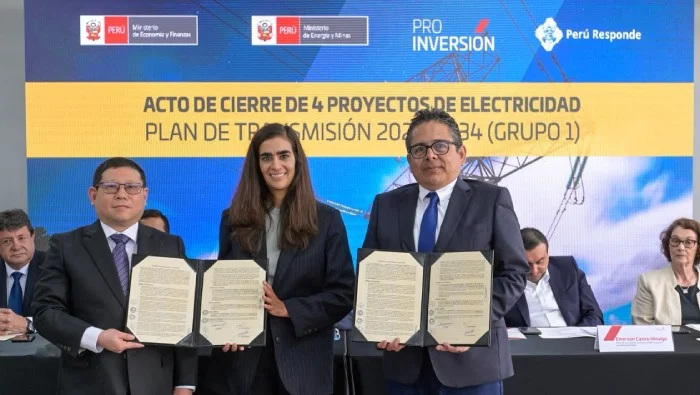
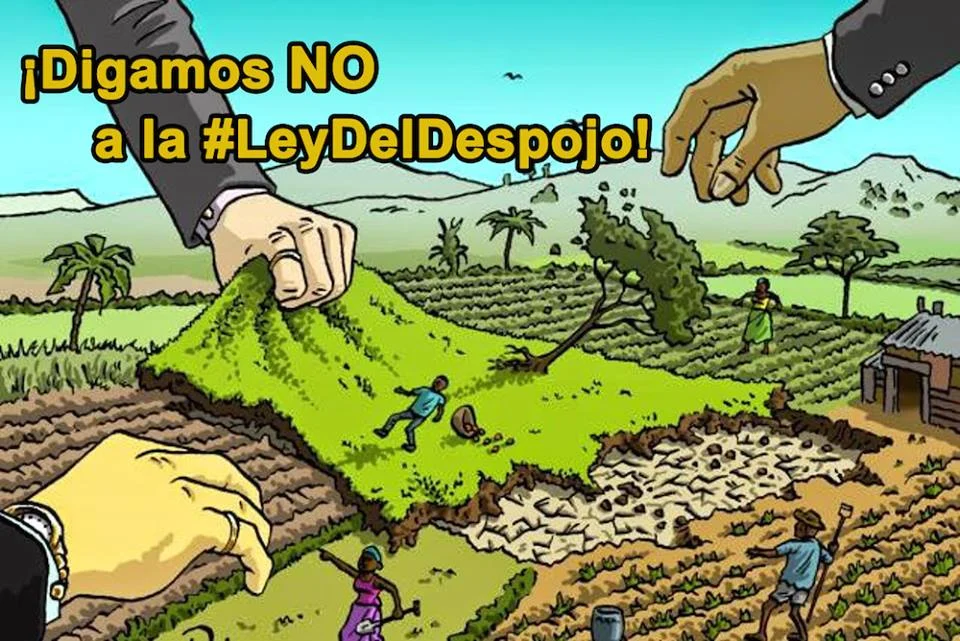
Yet, in May 2017, the Peruvian legislative agenda found itself at a crossroads. At the center of this controversy lies Legislative Decree 1333, which established the Special Project for Access to Land for Prioritized Investment Projects (APIP) within the agency ProInversión. What was presented by the Executive branch as a mere administrative "land clearing" process has been decried by legal experts, human rights defenders, and Indigenous organizations as a systemic assault on communal property rights. As the Congressional plenary session approaches, eyes are turned toward Congresswoman Úrsula Letona Pereyra and her colleagues, who have previously signaled support for the decree’s repeal. The question remains: will the legislature uphold the rule of law, or will it succumb to the pressure of an economic agenda that prioritizes corporate interests over fundamental human rights?

The Genesis of the Conflict: Decoding Decree 1333
The Executive branch framed Legislative Decree 1333 as a technical necessity. Its stated purpose was to "sanitize" land titles in favor of the State to facilitate prioritized investment projects. The government coined this the "zero process," arguing that before a property is bought or expropriated, its legal status must be clarified.
However, beneath this veneer of administrative efficiency lies a more troubling reality. By prioritizing State ownership over non-registered land, the decree effectively creates a mechanism to seize property without the requirement of "justiprecio" (fair market compensation). The groups most vulnerable to this policy are clear:
- Smallholders: Possession-holders who are currently in the process of seeking prescriptive acquisition of their land.
- Indigenous Peoples: Communities whose ancestral territories remain untitled—a significant demographic, considering that nearly 50% of these lands are already impacted by government-granted concessions.
A Chronology of Controversy and Missteps
The path to the current crisis has been marked by a profound lack of "good faith" on the part of the Executive.

- Initial Enactment: The government bypassed constitutional requirements for prior consultation, treating the decree as a routine administrative matter rather than a policy that fundamentally alters the legal landscape for Indigenous territories.
- Congressional Intervention: The Congress of the Republic’s Constitution Commission, recognizing the potential for constitutional overreach, recommended the decree’s repeal. They identified that the Executive had exceeded its delegated powers by ignoring the mandatory requirement of prior consultation for measures affecting Indigenous rights.
- The "Consultation" Facade: In response to the backlash, the Ministry of Economy and Finance (MEF) attempted to "fix" the decree. They held sporadic meetings with national Indigenous organizations, but these efforts were widely criticized as superficial. The Pact of Unity (a coalition of major organizations) stated they were never formally presented with the revised proposals.
- Current Standstill: As of mid-May 2017, the decree remains a point of intense legal and social contention, with organizations like the National Agrarian Confederation (CNA) and the National Organization of Andean and Amazonian Indigenous Women of Peru (ONAMIAP) filing an amparo action to block its implementation.
The Thirteen Pillars for Repeal: A Legal and Ethical Case
The arguments for the total repeal of Decree 1333 are multifaceted, grounded in international law and the constitutional mandate of the Peruvian state.
1. The Violation of Prior Consultation
The decree directly affects communal property rights without the mandatory prior consultation process. As the Ombudsman’s Office (Defensoría del Pueblo) has noted, Indigenous communities already face an arduous, 24-step process to secure their land titles. Adding a decree that facilitates the alienation of their territory without consultation is a recipe for social conflict.
2. The "Subsanación" Myth
The MEF has suggested that the legislative errors can be "repaired" through subsequent laws. Legal experts warn that if the Congress validates an "inconsult" (unconsulted) decree after the fact, it sets a dangerous precedent. It would signal that the Executive can bypass the law and rely on the Legislature to provide retroactive cover, effectively rendering the right to prior consultation optional.

3. The Fiction of "Voluntary" Reallocation
The Executive claims that any relocation of Indigenous populations necessitated by APIP would be "voluntary." This is a fundamental misunderstanding of Indigenous reality. When a community is forced to choose between their ancestral home and a new, smaller, or less fertile plot because the state has "sanitized" their original land, the choice is not voluntary—it is coerced.
4. Judicial and Administrative Impunity
Perhaps most alarming is the protection afforded to APIP officials. The decree mandates that criminal complaints against these officials require the prior "reasoned opinion" of the APIP itself. This creates a "judge and jury" scenario, weakening the authority of the Public Ministry and the judiciary. Furthermore, the provision of administrative and criminal liability insurance for these officials suggests a culture of impunity, shielding those who make discretionary decisions that might violate human rights.
Official Responses and the "Development" Fallacy
The Ministry of Economy and Finance has consistently attempted to reframe the debate, arguing that the urgency of economic development necessitates streamlined land processes. They argue that "prior consultation" is a hurdle that delays progress.

However, this narrative ignores the reality that social instability—often caused by the disregard for Indigenous rights—is the greatest inhibitor of long-term economic development. The "Baguazo" (the 2009 social conflict in Bagua) stands as a somber reminder of what happens when the state treats Indigenous territories as "empty space" to be auctioned off. True development, as evidenced by successful models elsewhere, relies on consensus and intercultural dialogue.
Implications: The Legacy of a Parliamentary Choice
The impending vote in the Congressional plenary is not merely about a single legislative decree; it is about the soul of the Peruvian democracy.
If Congress allows Decree 1333 to stand, it effectively tells the country’s Indigenous citizens that their ancestral relationship with the land is secondary to the needs of foreign and domestic investment. It suggests that the "rule of law" is a flexible concept that can be bent to serve the immediate, short-term interests of the Ministry of Economy.

The Role of the Congresswoman
The pressure on Congresswoman Úrsula Letona Pereyra and the members of the Constitution Commission is immense. Having recognized the unconstitutionality of the decree in committee, they now face the challenge of maintaining that stance on the floor. Their decision will determine whether the current legislature acts as a check and balance on Executive power or as a passive collaborator in its excesses.
The Path Forward
To avoid a deepening of the social chasm between the government and its people, the following actions are imperative:
- Immediate Repeal: The plenary must move to repeal Decree 1333 to stop the immediate threat to Indigenous land security.
- Strict Adherence to ILO Convention 169: Any future legislation regarding land use must be subjected to a 120-day consultation process, including educational workshops and an honest, good-faith dialogue aimed at reaching a consensus.
- Restoration of Public Trust: The government must cease its practice of "cabinet-level" policy making and start engaging with the legitimate leadership of the Indigenous movements.
In conclusion, the history of Peru is littered with the consequences of top-down mandates that disregard the rights of those who have inhabited the land for millennia. The current Congress has the opportunity to break this cycle. They can choose to honor the collective rights of Indigenous peoples, thereby securing a future where development and human dignity coexist. Or, they can continue the path of colonial-era paternalism, which only serves to sow the seeds of future conflict and institutional decay. The eyes of the nation, and the international human rights community, are watching.