Introduction: A Strategic Milestone for Southern Peru
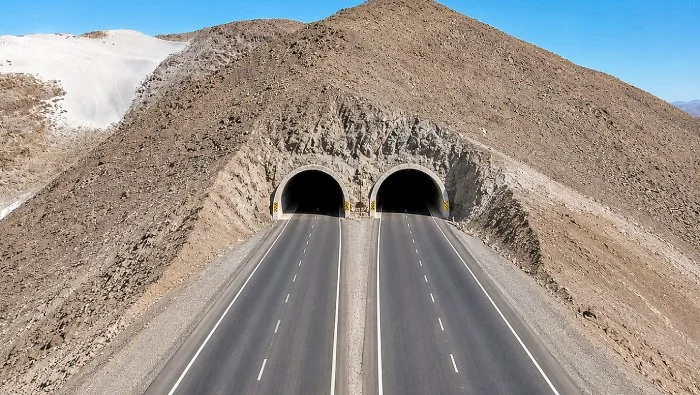
In a significant development for regional connectivity and international trade, the Arequipa region has officially embarked on the construction of the "Twin Tunnel" project as part of the Arequipa-La Joya highway. This ambitious infrastructure undertaking represents more than just a road expansion; it is a critical component of the Southern Logistics Corridor, designed to integrate the Peruvian economy with global markets, specifically bolstering connections to Brazil and the burgeoning markets of Asia.
The project, which represents a substantial investment of S/ 217 million, was inaugurated by Luis Del Carpio, Executive Director of the Private Investment Promotion Agency (PROINVERSIÓN), and Rohel Sánchez, Governor of the Arequipa Region. By utilizing the Obras por Impuestos (OxI) mechanism—a public-private partnership model that has become a cornerstone of regional development in Peru—the project stands as a testament to what can be achieved when the public and private sectors align their interests for the common good.
Main Facts: Scope and Engineering Excellence
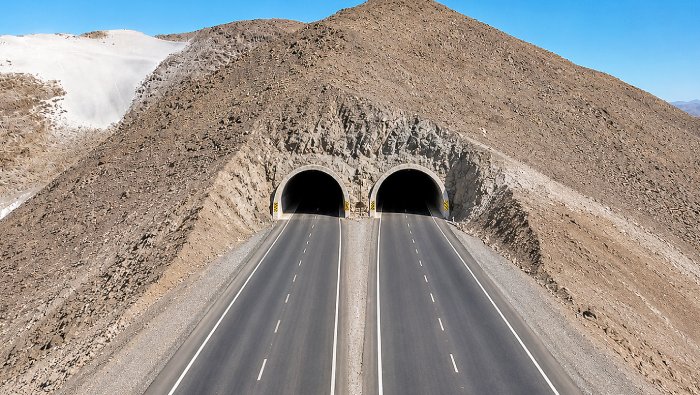
The Twin Tunnel is a feat of modern engineering, spanning a total length of 1.5 kilometers. It is designed to serve as a parallel artery to the existing infrastructure, effectively doubling capacity and ensuring that the Arequipa-La Joya highway can handle the projected increase in traffic volume for the next several decades.
Technical Specifications and Safety Standards
The project is not merely about moving traffic; it is about doing so safely and efficiently. The design includes:
- Ventilation Systems: State-of-the-art airflow management to maintain air quality, even during peak congestion.
- Advanced Drainage: Engineered to withstand the unique geographical and climatic challenges of the Arequipa region, preventing flooding and structural degradation.
- Smart Lighting: High-efficiency, automated lighting systems designed to reduce energy consumption while maintaining optimal visibility for motorists.
- Modern Signaling and Security: A comprehensive surveillance and communication system to ensure rapid emergency response and real-time traffic management.
These features ensure that the tunnel meets international safety standards, making it one of the most sophisticated pieces of infrastructure in southern Peru.
Chronology: The Journey to Construction
The realization of the Arequipa-La Joya Twin Tunnel did not happen overnight. It is the result of years of strategic planning, negotiations, and the successful navigation of bureaucratic processes.
- Initial Conceptualization: Recognizing the bottlenecking of the existing road, regional authorities identified the need for a high-capacity tunnel to bypass the geographical challenges between Arequipa and La Joya.
- Financial Structuring: PROINVERSIÓN played a pivotal role in facilitating the Obras por Impuestos model, identifying private sector partners willing to allocate their tax liabilities toward this specific project.
- Stakeholder Alignment: Negotiations involved the Regional Government of Arequipa and a robust consortium including Urbi Proyectos, Yura S.A., Sociedad Minera Cerro Verde, and Interbank.
- Groundbreaking: In July 2026, the formal commencement of construction marked the transition from administrative planning to physical execution, signaling a new chapter for the local construction industry.
Supporting Data: Why This Tunnel Matters
The impact of the Twin Tunnel goes beyond the physical structure. It is backed by data that highlights the socio-economic necessity of the project:
- Direct Beneficiaries: More than 1.2 million inhabitants in the Arequipa region will directly experience improved transit times, reduced vehicle maintenance costs, and better access to markets.
- Economic Integration: By acting as a key link in the Southern Logistics Corridor, the tunnel facilitates the movement of goods from the interior of the continent toward the Pacific ports. This is a vital step in the Brazil-Peru-Asia trade axis, significantly reducing logistics costs.
- Employment Generation: The construction phase alone is expected to generate hundreds of direct and indirect jobs, stimulating the local economy during the build process.
- Efficiency Gains: The reduction in travel time between Arequipa and La Joya is expected to be significant, allowing for higher turnover of cargo vehicles and increased productivity for local businesses.
Official Responses and Strategic Vision
During the inauguration ceremony, leadership from both the national and regional levels emphasized the broader implications of the project.
Luis Del Carpio, Executive Director of PROINVERSIÓN
Del Carpio framed the project as a model for national development. "Today we initiate a new stage for the development of the south of the country," he stated. "This tunnel will be a key piece to consolidate integration with Brazil and open greater opportunities for trade with Asia. At PROINVERSIÓN, we continue working so that investments reach the regions and are transformed into infrastructure that improves competitiveness, generates employment, and transforms people’s lives."
Rohel Sánchez, Governor of Arequipa
Governor Sánchez underscored the regional commitment to modernization. He highlighted that Arequipa’s ability to successfully leverage the Obras por Impuestos mechanism is a result of consistent, transparent, and collaborative governance. The regional government sees the tunnel as a catalyst for industrial growth in the La Joya area, which is poised to become a hub for agro-industrial and manufacturing activities.
Implications: The Future of the Southern Corridor
The construction of the Twin Tunnel has profound implications for the future of the Peruvian economy.
Closing the Infrastructure Gap
One of the most persistent challenges in Peru’s development has been the "infrastructure gap"—the disparity between the growing demands of the economy and the aging or insufficient public services. The OxI model has emerged as the primary solution to this. By bypassing traditional budgetary delays and engaging private expertise, the region is accelerating its modernization.

Enhancing Global Competitiveness
As Peru continues to position itself as a strategic gateway for South American trade, the quality of its internal logistics is paramount. The Twin Tunnel ensures that Arequipa—a city that serves as a nexus between the mountains and the coast—remains competitive. The ability to move products efficiently to ports translates to lower prices for consumers and higher margins for exporters.
A Model for Public-Private Synergy
The collaboration between the public sector and private entities like Yura S.A. and Sociedad Minera Cerro Verde provides a blueprint for other regions in Peru. It demonstrates that when private industry is incentivized to invest in public works, the risks are shared, the projects are completed with greater efficiency, and the social license to operate for these private companies is strengthened.
Conclusion: A Pathway Toward Prosperity
The Arequipa-La Joya Twin Tunnel is more than just a road project; it is a catalyst for regional integration and a bridge to the future. As construction progresses, the eyes of the nation will be on Arequipa to see how this project transforms the local landscape.
By integrating technological sophistication with strategic economic planning, the project addresses the immediate needs of the local population while simultaneously preparing the region for the global trade demands of the coming decades. With the support of PROINVERSIÓN and the continued cooperation of private sector partners, the Twin Tunnel stands as a beacon of progress, proving that through collaborative effort, Peru is well-equipped to tackle the infrastructure challenges of the 21st century.