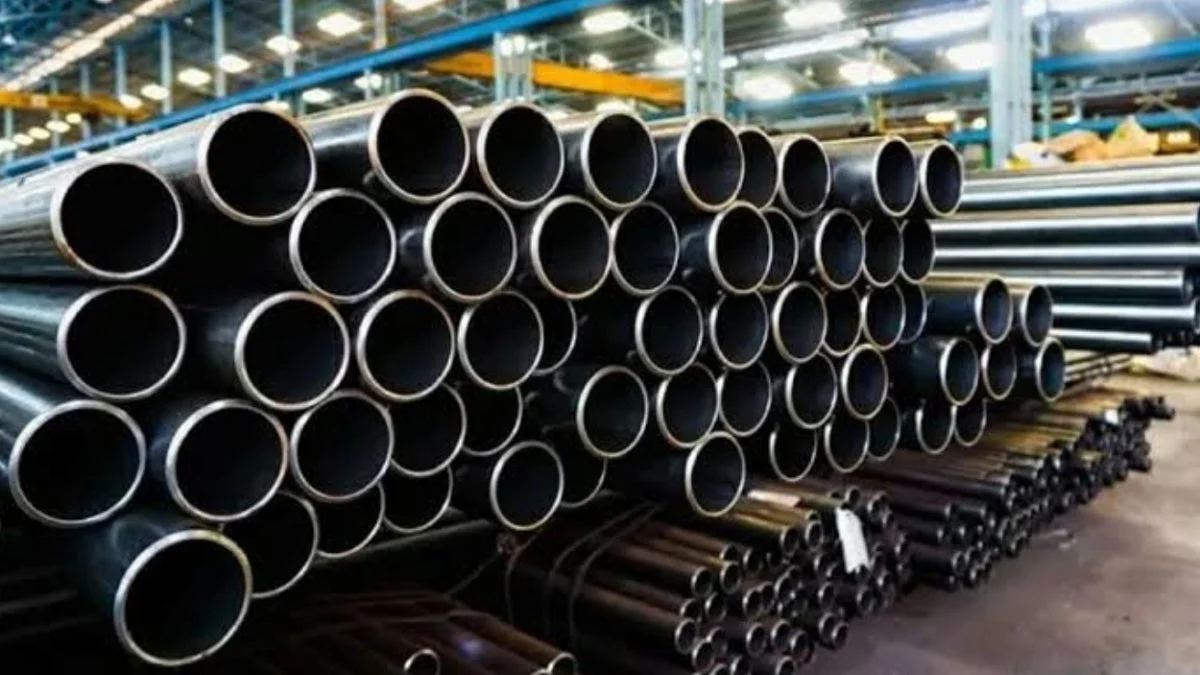
In a significant move to safeguard the integrity of the domestic manufacturing sector, the Peruvian National Institute for the Defense of Competition and Intellectual Property (Indecopi) has officially implemented definitive antidumping duties on imports of carbon steel tubes—specifically those laminated in hot conditions (LAC)—originating from the People’s Republic of China. This decision, formalized under Resolution No. 156-2026/CDB-INDECOPI, marks a critical turning point for Peruvian industrial policy, aiming to rectify market distortions that have long plagued local producers.
Siderperú, a cornerstone of Peru’s industrial infrastructure and a subsidiary of the Gerdau Group, has emerged as the primary advocate for this regulatory intervention. The company, which operates a massive industrial complex in Chimbote capable of producing 750,000 tons of liquid steel annually, has lauded the move as a vital step toward restoring fair trade practices.
The Core Conflict: Addressing Unfair Competition
The investigation, which culminated in the current resolution, centered on allegations that Chinese steel products were entering the Peruvian market at prices significantly below their fair market value—a practice commonly referred to as "dumping."
According to the findings presented by Indecopi’s Commission on Dumping, Subsidies, and Elimination of Non-Tariff Trade Barriers, these low-cost imports were not merely a result of efficient production but were rather a predatory pricing strategy. The influx of these artificially cheap products forced domestic manufacturers into a disadvantageous position, eroding profit margins, reducing market share, and threatening the viability of thousands of jobs within the local steel value chain.
"This decision is an essential advancement for restoring fair and honest competition within the Peruvian market," stated representatives from Siderperú in an official release. The company emphasized that the regulatory intervention was not designed to shut out international trade, but rather to ensure that all participants—whether domestic or foreign—adhere to the same international rules of commercial conduct.
Chronology of the Investigation
The road to the current resolution was neither short nor simple. It was the result of a rigorous, evidence-based process that spanned several months of intense data collection and legal analysis.
- Initial Complaint: The process began when domestic producers, led by industry leaders like Siderperú, formally petitioned Indecopi to initiate an investigation. They provided extensive evidence suggesting that the surge in imports of LAC carbon steel tubes from China was directly correlated with a decline in domestic production metrics.
- Preliminary Findings: Indecopi launched a formal probe, during which auditors examined pricing structures, production costs, and export data from Chinese manufacturers. The preliminary reports confirmed that a significant price gap existed between the landed cost of Chinese steel and the production costs of Peruvian firms.
- Public Consultation and Hearings: Throughout the investigation, stakeholders, including domestic manufacturers, importers, and legal representatives, were invited to submit their arguments. This period allowed the regulator to weigh the impact on the industry against the broader economic interests of the country.
- Final Determination: Based on the comprehensive evidence, Indecopi concluded that the imports were indeed being dumped and that this practice had caused, and continued to threaten, material injury to the national steel production sector.
- Official Implementation: On the release of Resolution No. 156-2026/CDB-INDECOPI, the definitive duties were enacted. These measures are set to remain in effect for a period of five years, with periodic reviews allowed under trade law.
Supporting Data and Economic Context
The economic impact of the steel industry in Peru cannot be overstated. Siderperú, with its high-capacity facility in Chimbote, serves as the backbone for the construction, mining, and manufacturing sectors. The ability of such firms to operate at scale is contingent upon a stable market environment.
Data reviewed by Indecopi highlighted that the surge in Chinese imports was not an isolated event but part of a broader trend of global oversupply of steel, where Chinese manufacturers sought to offload surplus inventory into emerging markets. Without protective measures, the "race to the bottom" in pricing would have eventually forced Peruvian plants to reduce their capacity, potentially leading to layoffs and a decrease in tax revenue for the state.
The imposition of these duties effectively places a "floor" on the prices of these specific imported steel tubes, ensuring that the final cost to the consumer or the construction firm reflects a price that does not rely on the artificial suppression of market value.
Perspectives from the Industry
Siderperú’s active participation in the Indecopi investigation underscores the company’s commitment to transparency and legal compliance. By participating as an interested party, the company provided the regulatory body with granular data regarding cost-of-production shifts and market share erosion.
"We have always advocated for a market that rewards efficiency and quality," the company noted. "When the playing field is tilted by state-supported or predatory pricing, it is the responsibility of regulatory bodies to step in. This ruling confirms that Peru has the legal mechanisms to defend its domestic industry against unfair trade practices."
Industry analysts have observed that this move signals a more proactive stance by the Peruvian government in defending its industrial base. As global trade becomes increasingly volatile, the protection of strategic sectors like steel—which is vital for national infrastructure—is seen as a priority for economic sovereignty.
Implications for the Future
The implications of the five-year antidumping measure are manifold:
- Market Stabilization: By neutralizing the price advantage gained through dumping, domestic manufacturers will have the breathing room to stabilize their prices and long-term production planning.
- Encouragement of Investment: With a more predictable market environment, firms like Siderperú are more likely to invest in modernization and technological upgrades, potentially increasing the efficiency of the Chimbote plant.
- Compliance Awareness: The ruling serves as a warning to international suppliers that the Peruvian market will not tolerate violations of international trade agreements. It encourages fair competition rather than price manipulation.
- Economic Security: By securing the local steel supply, Peru reduces its total dependence on foreign imports for critical construction materials, thereby insulating its infrastructure projects from potential supply chain disruptions or sudden price spikes in the global market.
Challenges Ahead
While the ruling is a victory for the domestic steel industry, it does not come without challenges. Critics of antidumping measures often argue that such duties can lead to increased costs for construction companies and end-users who rely on cheap imported materials.
However, proponents argue that the long-term cost of losing a domestic industry is far higher. A country without a robust manufacturing base is vulnerable to the whims of international price cartels and supply chain fragility. Indecopi’s decision aims to strike a delicate balance: maintaining the competitiveness of the Peruvian economy while ensuring that domestic producers can survive and grow.
Conclusion
The implementation of definitive antidumping duties on Chinese carbon steel tubes is a testament to the effectiveness of Peru’s regulatory framework. By choosing to uphold the principles of fair competition, Indecopi has provided a lifeline to the domestic steel sector, ensuring that industrial giants like Siderperú can continue to supply the materials necessary for the nation’s development.
As the five-year period begins, the focus will now shift to monitoring the market. The industry, the government, and the consumers will be watching to see how these measures reshape the landscape of the Peruvian steel sector. For now, the message from the regulators is clear: the Peruvian market is open for business, but it is not open to exploitation. Through rigorous oversight and the consistent application of trade law, Peru is positioning itself to foster a more resilient, competitive, and fair industrial future.