The global mining industry is undergoing a profound transformation. Beyond the shift toward decarbonization and technological integration, the sector is experiencing a cultural revolution: the systematic dismantling of historical barriers to gender equality. At the forefront of this evolution in Peru is Compañía Minera Antamina, which is actively redefining the industry standard by placing female leadership and diverse talent at the core of its operational and strategic framework.
In collaboration with Women in Mining (WIM) Perú, Antamina is not merely advocating for diversity; it is embedding it into the structural DNA of the organization. This partnership represents a shared vision—a commitment to fostering an environment where innovation, competitiveness, and sustainability are driven by the unique perspectives of a diverse workforce.
Main Facts: The Pillars of Inclusive Mining
The core objective of Antamina’s recent initiatives is to create a transversal organizational culture where inclusion is not an auxiliary program, but a primary business driver.
Recent developments highlight two significant milestones for the company:
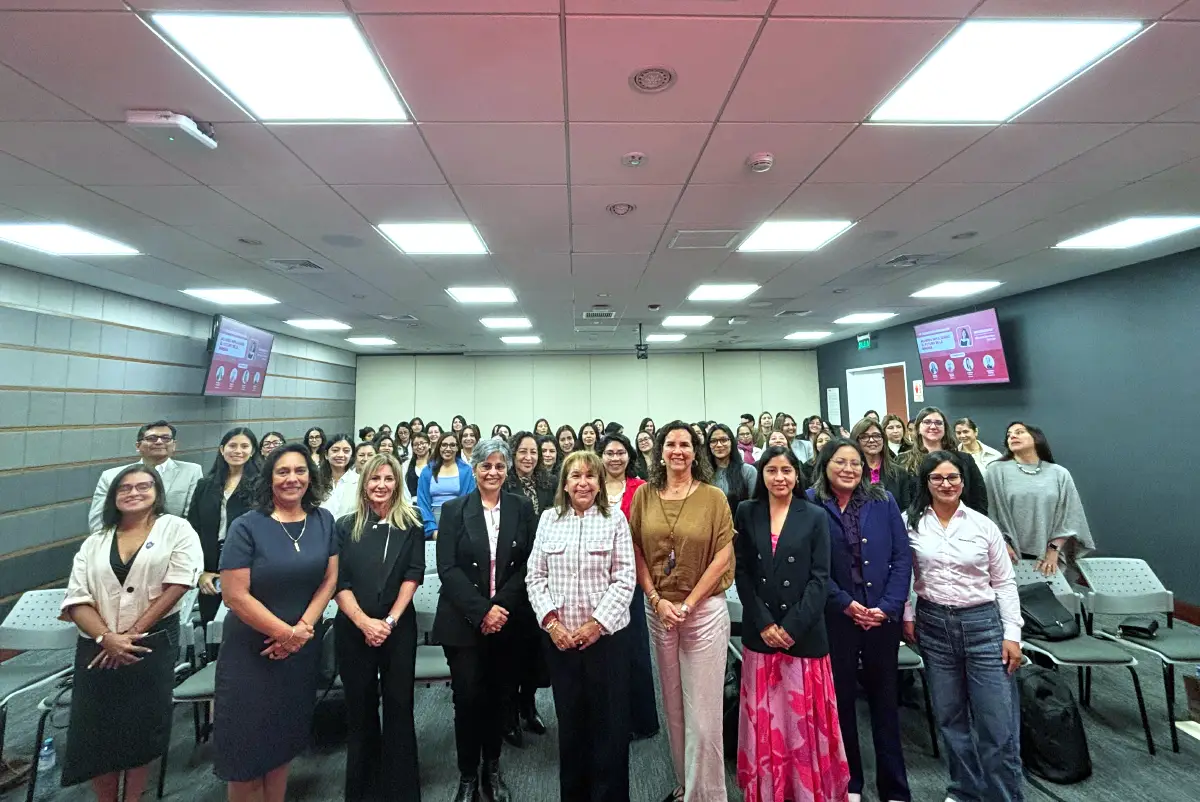
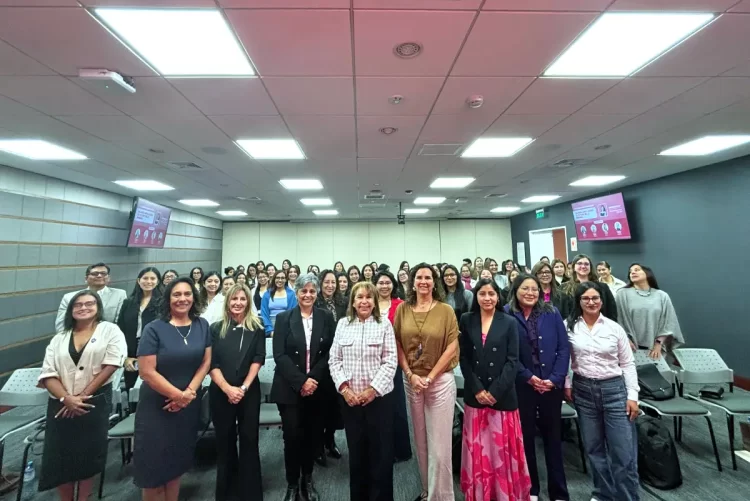
- Strategic Leadership Dialogue: Marcela Madrid, Vice President of Human Resources at Antamina, represented the company at the prestigious "Minería con M de Mujer" (Mining with an M for Woman) forum. Her participation served as a platform to share Antamina’s internal roadmap for organizational transformation, emphasizing that gender diversity is a catalyst for operational excellence.
- Technical Empowerment: Adela Mañuico, Superintendent of Internal Control at Antamina, was officially appointed as the leader of the "GreaTT" (Technical Specialized Working Group) for Risk and Internal Control for the 2026-2027 period. This appointment by WIM Perú underscores the technical competency of Antamina’s female leadership and their readiness to influence industry-wide standards.
Chronology: The Path to Institutionalized Diversity
The journey toward a more inclusive Antamina has been a multi-year effort, marked by deliberate strategic pivots.

- Pre-2024 (The Foundation): Antamina initiated internal audits regarding workforce demographics, identifying the need for better representation of women in technical and supervisory roles.
- 2025 (The Alliance): The partnership with WIM Perú was formalized, aligning Antamina’s internal goals with broader national initiatives to bridge the gender gap in the extractive sectors.
- Early 2026 (Strategic Deployment): The company launched a series of mentorship and leadership development programs aimed at preparing high-potential women for executive and technical oversight roles.
- July 2026 (Current Milestone): The appointment of Adela Mañuico to the GreaTT leadership and the high-level participation in the "Minería con M de Mujer" forum serve as current indicators of the maturity of these programs.
- Future Outlook (2027 and beyond): The mandate for the GreaTT leadership roles signals a long-term commitment to knowledge sharing and standard-setting, which will extend well into the next fiscal years.
Supporting Data and Industry Context
The mining industry has historically been one of the least gender-diverse sectors globally. However, data from international mining bodies suggest that companies with higher gender diversity in leadership roles report higher profitability and better ESG (Environmental, Social, and Governance) outcomes.
For Antamina, the data-driven approach is clear:
- Innovation: Diverse teams are statistically more likely to identify operational efficiencies in complex mine-site environments.
- Risk Management: As evidenced by the focus on Internal Control and Risk, feminine leadership in these sectors brings a different analytical lens that emphasizes long-term sustainability over short-term gains.
- Retention: By fostering an inclusive culture, companies like Antamina are better positioned to attract the "next generation" of mining talent—a demographic that prioritizes ethical and inclusive workplaces.
Official Perspectives: The Voice of Leadership
During her address at the "Minería con M de Mujer" forum, Marcela Madrid offered a compelling vision for the future of the industry. Her remarks emphasized that "advancing toward effective inclusion requires a genuine and sustained commitment."
Madrid noted that it is insufficient to simply hire more women; the challenge lies in creating an ecosystem where those women can thrive. She argued that:
- Cross-functional Strategy: Diversity must be integrated across all departments, from geological engineering and safety to corporate finance and logistics.
- Sustained Engagement: Inclusion is not a campaign with a finish line; it is a continuous process of policy adjustment, mentorship, and the removal of unconscious biases.
Similarly, the appointment of Adela Mañuico to the GreaTT for Risk and Internal Control signals that Antamina is moving beyond "awareness" and into "technical influence." By leading these specialized groups, Mañuico is tasked with:
- Standardizing best practices in risk mitigation.
- Fostering a collaborative environment where technical knowledge is shared across different mining operations in Peru.
- Setting a precedent that technical expertise and female leadership are synonymous within the organization.
Implications for the Mining Sector
The implications of these developments for the Peruvian and international mining sectors are significant.
1. Shift in Industry Perception
By elevating women to roles like Superintendent of Internal Control and Vice President of HR, Antamina is signaling to the market that the "macho" image of the mining industry is obsolete. This shift is essential for the industry’s social license to operate, as stakeholders—including local communities and international investors—increasingly demand diverse and equitable leadership.
2. Standardizing Technical Competency
The creation of the eight "GreaTTs" by WIM Perú, and Antamina’s active leadership within them, suggests a move toward a "community of practice." This is a high-level approach where companies stop competing on talent and start collaborating on knowledge. When internal controls and risk management protocols are developed through diverse committees, the resulting standards are more robust and less prone to blind spots.
3. Economic Sustainability
Diversity is increasingly viewed as an economic imperative. In an era where mining operations are becoming more complex due to environmental regulations and social expectations, the ability to leverage a broader talent pool is a competitive advantage. Antamina’s investment in its female workforce is, effectively, an investment in the company’s long-term resilience.
Conclusion: A Blueprint for the Future
The work being done by Antamina and WIM Perú provides a clear roadmap for the rest of the mining industry. It is a model that moves past superficial corporate social responsibility and dives deep into the mechanisms of operational governance.

As Antamina looks toward the 2026-2027 horizon, its strategy is clear: by empowering women, the company is not only addressing a social injustice but is actively future-proofing its operations. The leadership demonstrated by professionals like Marcela Madrid and Adela Mañuico serves as an inspiration for current and future generations of mining professionals.
In the high-stakes world of mining, where precision, safety, and innovation are the currencies of success, diversity has proven itself to be the most valuable asset. Antamina’s current trajectory suggests that the future of mining in Peru will be defined by its ability to innovate through inclusion—a commitment that, through these latest initiatives, is firmly set in stone.