Introduction: A Funeral Pre-planned at Thirty
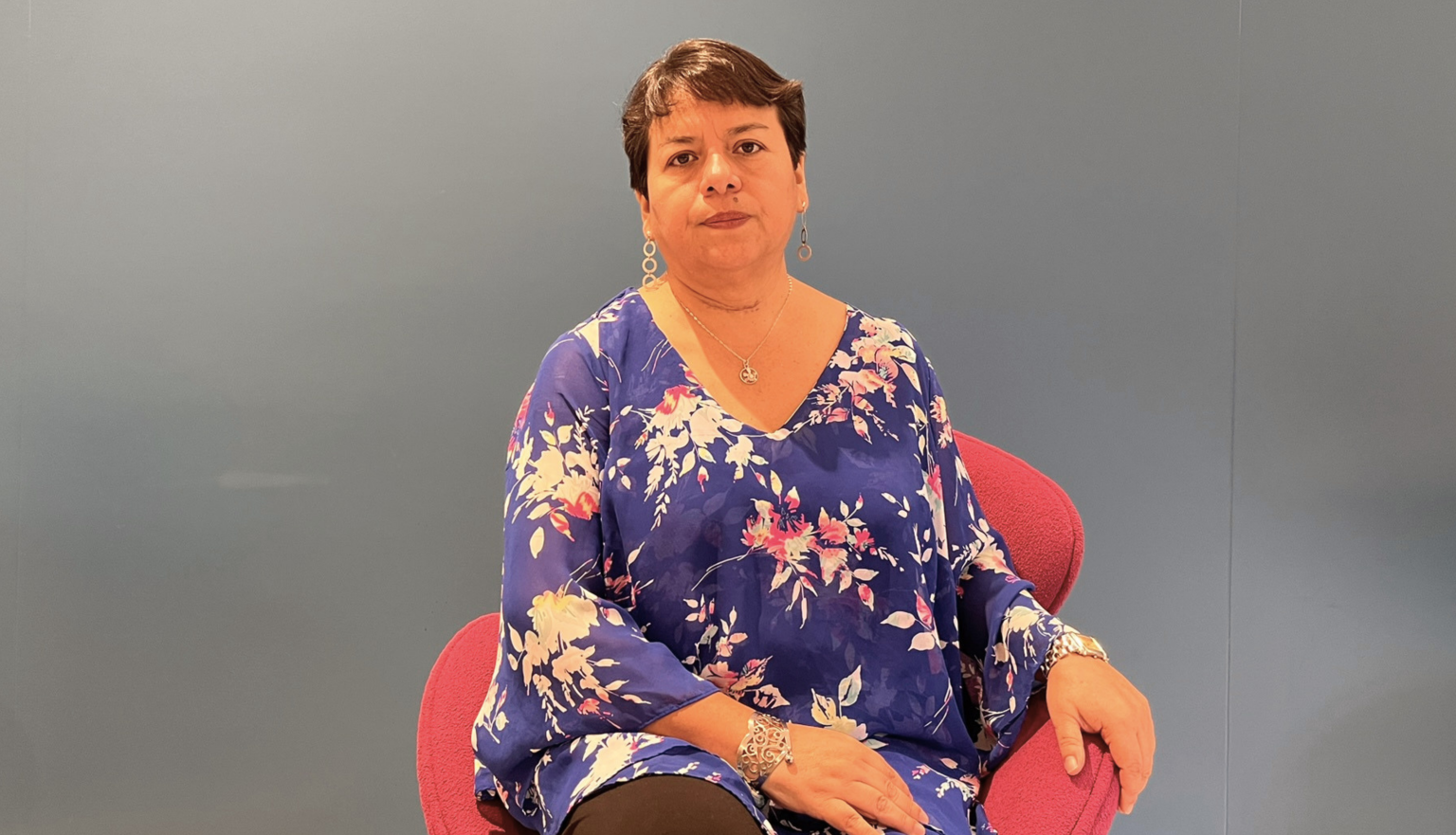
Geraldine Santos is thirty years old, an age when most young professionals are focused on career growth or personal milestones. For Santos, however, the primary objective is far more somber: she is currently planning her own funeral. A Peruvian journalist covering the illicit cocaine trade and environmental degradation in the Amazon, Santos has received so many death threats that she has taken the grim precaution of coordinating with her family to identify a government contact. The goal? To ensure that, should she be murdered, her body might be located so her parents can provide her with "a dignified burial."
This chilling reality serves as the opening statement of a comprehensive report by the Committee to Protect Journalists (CPJ). The document serves as a stark warning: the security of journalists and the fundamental pillars of press freedom in Peru are suffering a catastrophic collapse. This is not merely an isolated domestic crisis; it is a symptom of a broader democratic regression across Latin America, placing Peru alongside authoritarian regimes like Nicaragua and Venezuela, and nations in democratic decline such as El Salvador and Costa Rica.
The Chronology of a Collapsing Democracy
The erosion of press freedom in Peru did not occur overnight, but rather through a systematic, multi-year dismantling of institutional checks and balances.
The Deadly Year of 2025
The year 2025 stands as the most lethal period for Peruvian journalism since the 1980s, a time when the state was locked in a brutal internal war against the Shining Path insurgency. Four journalists—Gastón Medina Sotomayor, Raúl Célis López, Juan Fernando Núñez Guevara, and Mitzar Castillejos Tenazoa—were murdered in separate incidents. All four were based in regional areas, far from the protective bubble of Lima, where they investigated local power structures, environmental crimes, and organized criminal networks.

Political Instability and the "Musical Chairs" Presidency
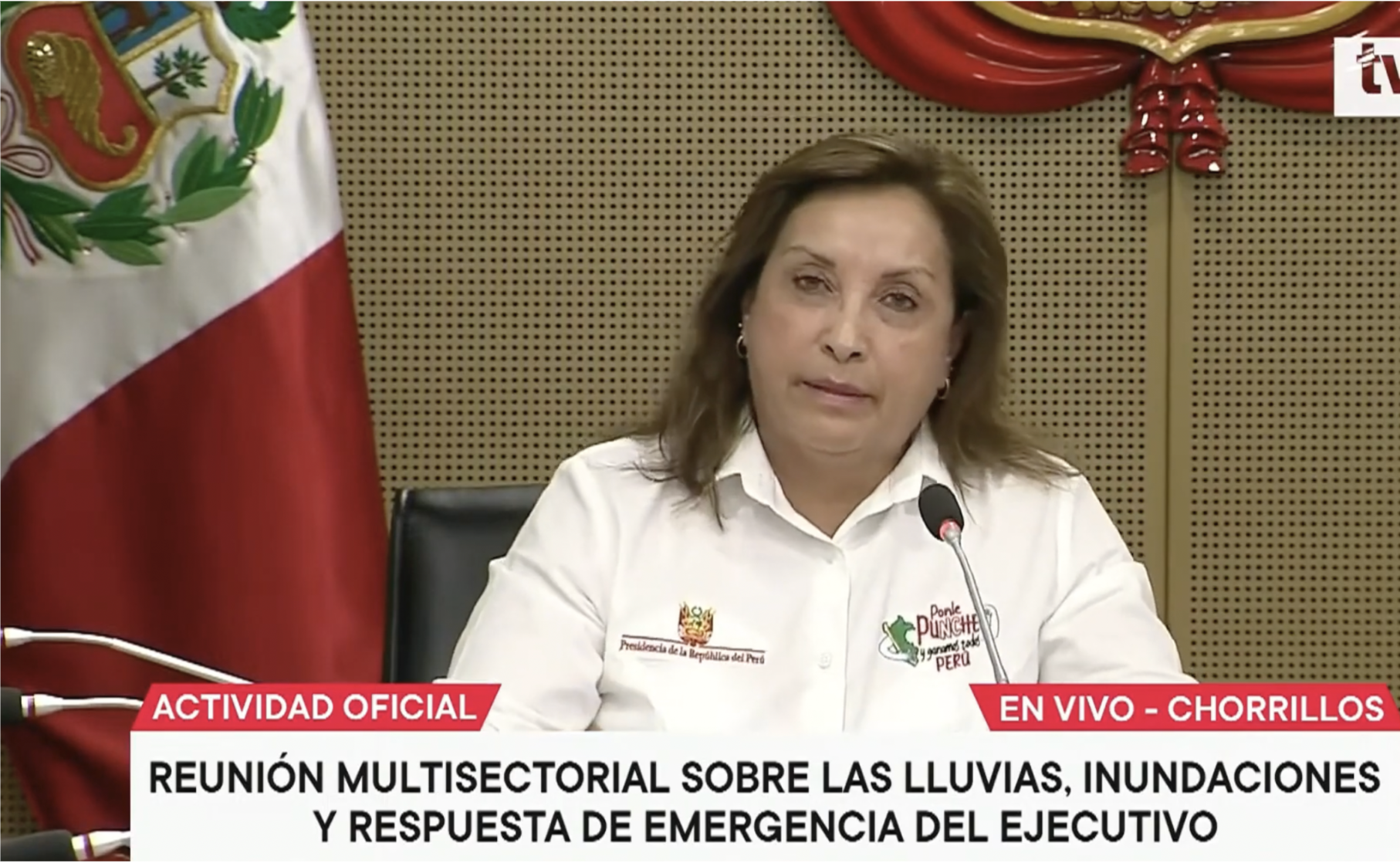
The instability of the Peruvian executive branch has acted as a catalyst for violence. In the last decade, Peru has cycled through eight presidents. Each transition brought further hostility toward the media. Former President Pedro Castillo (2021–2022) weaponized the judiciary by threatening defamation lawsuits and barring journalists from press briefings. His successor, Dina Boluarte, dismissed the media as "coup-plotters" while ignoring police violence against reporters during civil unrest.
By the time interim President José Jerí was removed in early 2026—after only four months in office—the precedent of state-sponsored harassment was deeply entrenched. During his brief tenure, presidential security personnel were caught on camera physically dragging a reporter from a press conference for the "crime" of asking an uncomfortable question.
Supporting Data: The Anatomy of Impunity
The data regarding the state of the Peruvian press is as alarming as the anecdotes. According to a report by Voces del Sur, a regional network of press freedom organizations, public officials were responsible for 61% of all attacks against media outlets in 2025.
The Rise of "Pro-Crime" Legislation
The legislative branch has compounded the danger. Human Rights Watch has highlighted that the Peruvian Congress has actively facilitated an environment where organized crime can thrive. With over half of the current legislators under investigation for corruption, influence peddling, or other crimes, the legislative agenda has shifted toward self-preservation.

Laws have been passed that effectively grant impunity to criminal actors, while simultaneously creating "legal" tools to harass journalists. The most egregious example is the modification of the APCI law. Ostensibly designed to monitor foreign funding for NGOs, the law functions as a mechanism of control, forcing independent media outlets—many of which rely on international grants—to register their investigative programs with state agencies. This creates a bureaucratic nightmare that threatens the professional secrecy of sources and enables the government to censor investigative reporting.
The Fiscal Crisis of Justice
The judicial system, tasked with investigating these attacks, is effectively starved of resources. Fiscal units responsible for crimes against human rights defenders, including journalists, are operating with a mere 25% of the necessary funding. As one prosecutor, David Jara Espinoza, noted, his office lacks basic equipment, such as functional vehicles, to conduct investigations. "When they kill a journalist, we take the case immediately," Jara said, "but it is impossible to act without resources."
Official Responses and Institutional Apathy
The government’s primary response—the "Intersectoral Mechanism for the Protection of Human Rights Defenders"—has proven to be largely performative. While the body has conducted workshops and provided basic security equipment, it has failed to build trust within the journalistic community.
Critics, including Rodrigo Salazar Zimmermann of the Council of the Peruvian Press, argue that the mechanism is not a priority for the state. "There is an unofficial policy," Salazar asserts, "that if you attack or kill a journalist, nothing will happen to you." The fact that the mechanism had no prior contact with any of the four journalists murdered in 2025 is a testament to its irrelevance in the face of escalating violence.
Furthermore, the international community, which once acted as a vital check on Peruvian state abuse, has largely retreated. With the closure of various aid missions and a rise in nationalist rhetoric from the government labeling foreign critique as "interventionism," many embassies have stopped offering the diplomatic protection that historically shielded high-profile reporters.
The Human Cost and Broader Implications
The impact of this environment is best illustrated by the case of Analí Andrade, a radio host in Andahuaylas. After reporting on local corruption, she became the target of a smear campaign that labeled her a prostitute and a criminal. When her home was not safe, she was forced to stop walking the streets entirely. Her experience reflects the "systematic" nature of the attacks: once a journalist is labeled an enemy by local powerbrokers, their life becomes a series of threats, digital doxxing, and physical intimidation.
The case of Hugo Bustíos, a journalist murdered in 1988, serves as the final, bitter chapter in this narrative of injustice. In 2023, his killer, former intelligence chief Daniel Urresti, was finally convicted. However, in February 2026, the Constitutional Court ordered his release based on a new amnesty law that conveniently limits the prosecution of human rights crimes to those committed after 2002. For the families of the victims, this was more than a legal setback; it was a "vulgar insult" to the memory of those who gave their lives for the truth.
Conclusion: A Future in the Balance
As Peru heads toward a new political cycle, the prospect of a bicameral Congress—part of a 2024 constitutional reform—threatens to concentrate even more power in the hands of legislators who have shown little regard for the rule of law. With the presidential runoff between populist candidates, the outlook for press freedom remains bleak.
Journalists like Geraldine Santos continue to work under the shadow of the grave, documenting the slow decay of their nation’s democracy. Their courage is the only thing standing between the public and a total blackout of information. Without urgent domestic reform and a renewed commitment from the international community to hold the Peruvian state accountable, the cycle of violence will not only continue—it will accelerate, ensuring that in the struggle between power and the press, the latter will continue to be silenced, one funeral at a time.