Introduction: A Commitment Beyond Extraction
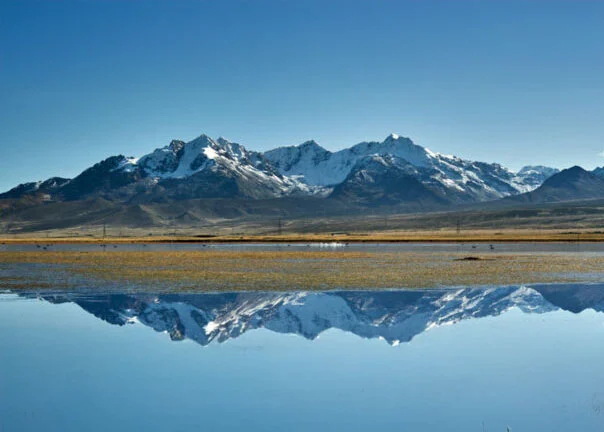
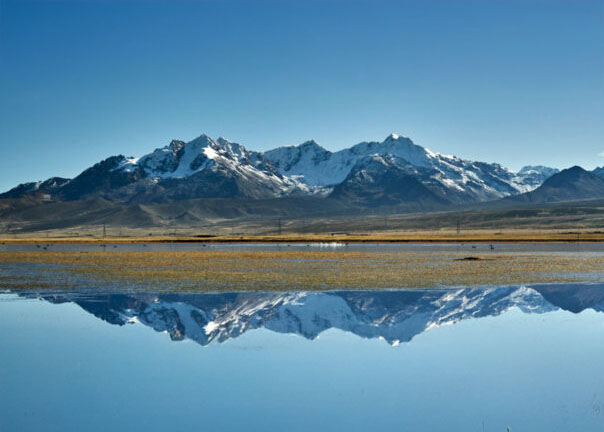
The global observance of World Environment Day on June 5th serves as a poignant reminder of the delicate balance between industrial development and ecological preservation. In the heart of Peru’s Ancash region, Compañía Minera Antamina has positioned itself at the forefront of this discourse, moving beyond mere regulatory compliance to embrace a holistic model of environmental stewardship. By integrating scientific research, community-led education, and circular economy principles, the company is actively fostering a culture of sustainability that extends from the high-altitude Andean peaks down to the coastal ecosystems of the Pacific.
Main Facts: A Multifaceted Environmental Strategy
Antamina’s operations are situated within one of the most ecologically diverse regions in the world, requiring a sophisticated approach to environmental management. The company’s strategy is built upon four primary pillars:
- Scientific Biodiversity Monitoring: Through a long-standing program conducted in partnership with academic institutions, Antamina generates evidence-based data to protect native flora and fauna.
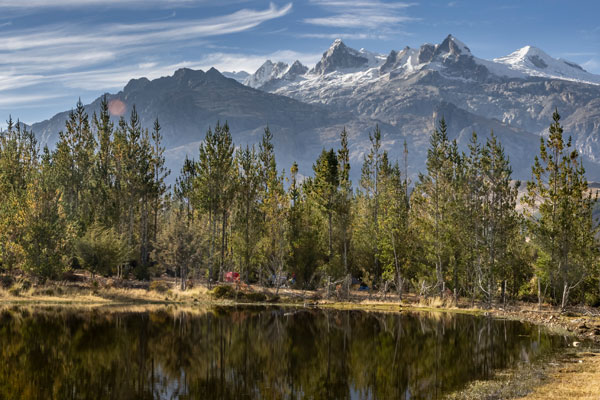
- Collaborative Conservation: Active cooperation with the National Service of Natural Protected Areas (Sernanp) to manage the fragile Huascarán National Park.
- Circular Economy Initiatives: A pioneering partnership with the Association for Aid to Burned Children (ANIQUEM), where the management of industrial waste is repurposed to fund medical rehabilitation for vulnerable children.
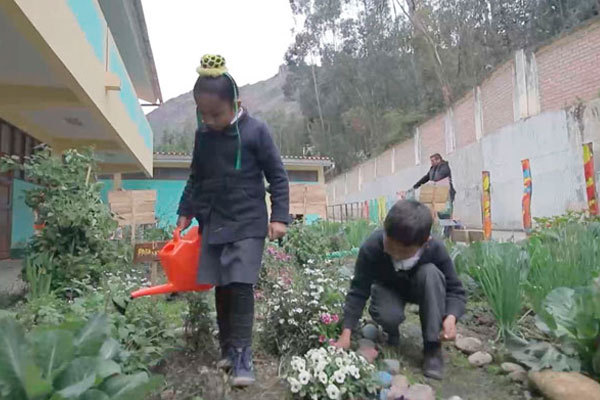
- Environmental Education: The implementation of the "TiNi" (Tierra de niñas, niños y jóvenes) program, which empowers the next generation of Ancash residents to act as guardians of their local environment.
Chronology of Environmental Milestones
The trajectory of Antamina’s environmental efforts reveals a consistent commitment to long-term sustainability rather than short-term gains:
- 2018: Launch of the formal collaboration with ANIQUEM, establishing a new benchmark for social-environmental value sharing in the mining sector.
- 2025 (July): Approval of the Master Plan for the Huascarán National Park (2025–2030), a document developed with Antamina’s strategic support to ensure the protection of the world’s highest tropical mountain range.
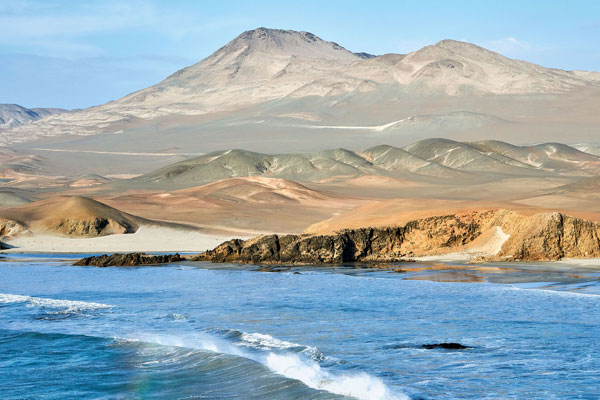
- 2026 (January): Execution of the "Salva Playas" campaign in Huarmey, focusing on the protection of marine biodiversity, including the Humboldt penguin and the guanay cormorant.
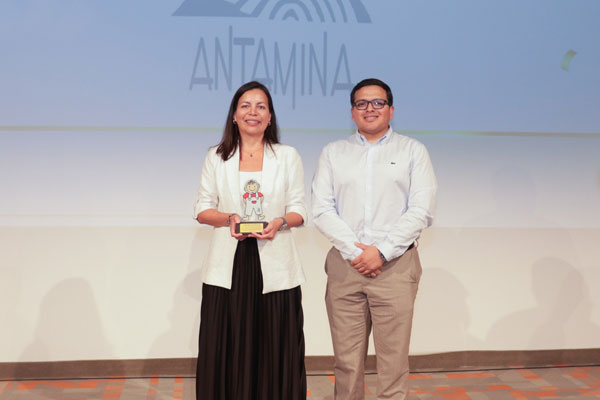
- 2026 (June): Recognition of Antamina at the Yanapay Awards for its "Environmental Initiative in Mining," underscoring the success of its circular economy model.
- 2026 (Ongoing): Discovery and classification of the Stenocercus aguilari, a new lizard species identified through joint biodiversity monitoring efforts with the National University of San Marcos.
Supporting Data: Biodiversity and Educational Impact
The effectiveness of Antamina’s environmental programs is measurable through tangible outcomes:
- Biodiversity Wealth: The Huascarán National Park, supported by Antamina’s management initiatives, sustains over 700 species of flora, 120 species of birds, and 10 species of mammals. The recent discovery of the Stenocercus aguilari at an altitude of 3,000 meters in the district of San Marcos highlights the critical need for continued, rigorous biological monitoring.
- Educational Outreach: The TiNi program has successfully engaged more than 2,000 children and 120 teachers across the region. This initiative has led to the development and maintenance of over 4,000 square meters of green spaces, effectively turning local schools and homes into living laboratories for environmental stewardship.
- Waste Management: Antamina has achieved a 65% valorization rate for its operational waste. This high efficiency is not merely an operational goal but a social one, as a significant portion of this effort directly funds the medical and psychological care of burn survivors through ANIQUEM.
Official Responses and Collaborative Governance
The success of these initiatives relies heavily on "trabajo articulado" (articulated work). Antamina has shifted away from a siloed operational model toward one of inclusive governance.
Regarding the collaboration with Sernanp, company leadership has emphasized that the preservation of the Cordillera Blanca is not just an environmental obligation but a national priority. The Master Plan 2025–2030 represents a roadmap for inter-institutional cooperation, ensuring that tourism, conservation, and research coexist without compromising the integrity of the ecosystem.
Similarly, the partnership with the Municipalities of Huarmey and local environmental committees for the "Salva Playas" campaign demonstrates a shift in corporate social responsibility (CSR). By engaging citizens in the monitoring and cleaning of coastal areas, Antamina is fostering a sense of local ownership over the region’s natural resources, moving the needle from corporate-led cleanup to community-led conservation.
Implications: Building a Sustainable Future
The implications of Antamina’s approach are significant for both the mining industry and the broader Peruvian economy. By linking industrial operations to social well-being—as seen in the ANIQUEM partnership—the company challenges the traditional perception of mining as an inherently extractive and detrimental industry.
Transforming the Narrative
The 2026 campaign, "Nuestra mejor jugada es cuidar el medio ambiente" (Our best play is to take care of the environment), utilizes the cultural resonance of the upcoming World Cup to highlight that environmental management is a team effort. This internal and external communication strategy aims to demystify technical environmental processes, making them accessible to employees and community members alike.
Scientific Advancements
The discovery of the Stenocercus aguilari serves as a powerful scientific argument for the importance of private-sector-funded biodiversity monitoring. It suggests that large-scale operations, when governed by transparent environmental policies, can act as catalysts for biological discovery, providing the resources necessary for universities and researchers to explore regions that would otherwise remain under-studied.

Long-term Socio-Ecological Resilience
Perhaps the most profound implication of these programs is the shift in perspective for the younger generation in Ancash. Through the TiNi program, students are not just learning about nature; they are actively shaping it. This long-term investment in human capital—ensuring that children grow up with an innate sense of responsibility toward their ecosystem—is perhaps the most durable legacy a mining company can leave behind.
Conclusion: A Blueprint for Industry
As the world marks World Environment Day, the actions of Antamina serve as a case study in how to navigate the complexities of environmental responsibility in high-stakes environments. The integration of the United Nations’ 2026 goals—which emphasize the transformation of systems that sustain our economies—is evident in Antamina’s pivot toward circularity and collaborative management.
Whether through the protection of the high-altitude glaciers of the Cordillera Blanca or the preservation of the coastal biodiversity in Huarmey, Antamina has demonstrated that the "best play" for the mining sector is a commitment to the environment that is as robust as the infrastructure it builds. By valuing the environment not as an obstacle, but as a stakeholder, Antamina is setting a precedent for how extractive industries can, and must, participate in the global effort to rebuild our relationship with the planet.
As we look toward the future of the Ancash region, the partnership between industry, community, and science stands as a testament to the fact that progress does not have to come at the expense of the earth. Instead, with careful management and a collaborative spirit, it can be the very foundation upon which a more resilient and sustainable future is built.