Main Facts: A Call to Transparency
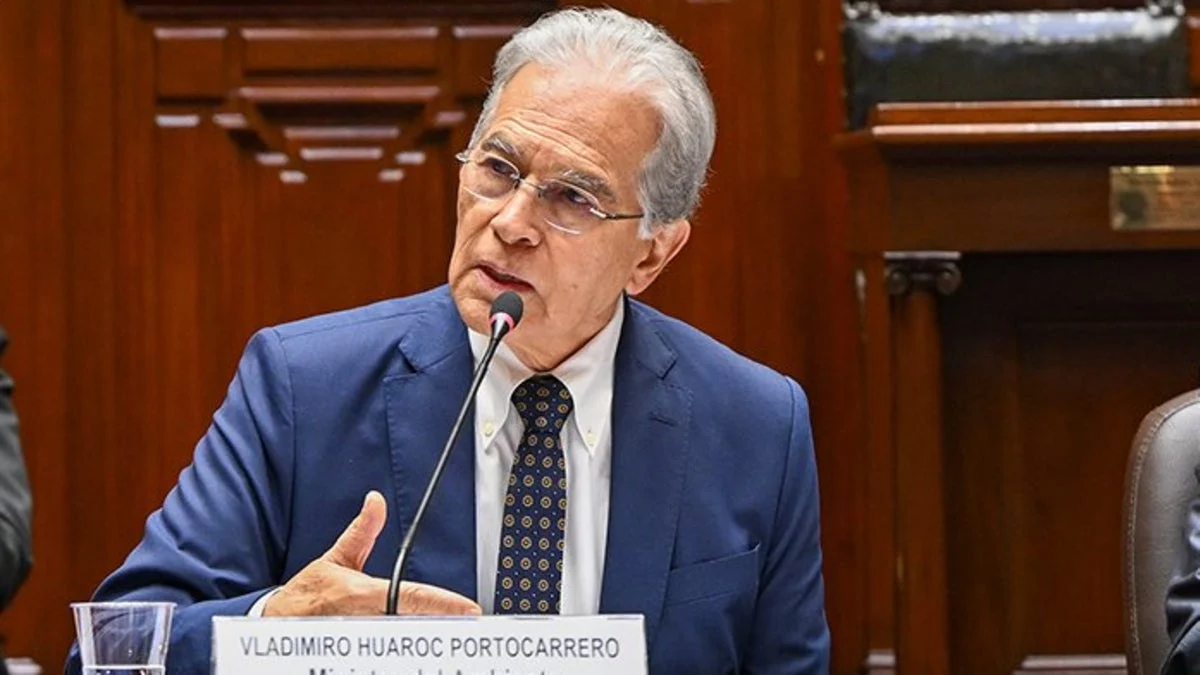
In a pivotal moment for national environmental policy, the Minister of the Environment, Vladimiro Huaroc, is scheduled to appear before the Chamber of Deputies this coming Thursday at 10:00 a.m. The session, convened by the President of the Chamber, Óscar Reto, marks a formal institutional inquiry into the state’s progress regarding climate adaptation and mitigation strategies.
As the global climate crisis intensifies, the legislative body has demanded a comprehensive breakdown of how the executive branch is aligning its current initiatives with the legally binding targets established under the nation’s environmental framework. The appearance is not merely procedural; it represents a critical intersection between administrative execution and parliamentary oversight. Minister Huaroc will be tasked with defending the government’s recent performance, clarifying budgetary allocations for climate resilience, and addressing potential gaps in the implementation of the National Strategy on Climate Change.
Chronology: The Road to the Plenary
The lead-up to this ministerial appearance has been characterized by growing pressure from civil society organizations and opposition blocs. To understand the gravity of Thursday’s session, one must look at the timeline of events that precipitated this summons:
- Early 2026: The Ministry of the Environment, under the leadership of Vladimiro Huaroc, announced a "Green Acceleration Plan," promising to fast-track reforestation and carbon-neutral initiatives.
- Mid-2026: Independent environmental monitoring groups raised concerns regarding the slow pace of implementation for urban climate adaptation projects.
- Late September 2026: Following a series of severe climate-related events, the Chamber of Deputies filed a formal request for information, citing the lack of transparent reporting on the progress of international climate treaty commitments.
- October 2026: President of the Chamber, Óscar Reto, officially confirmed the plenary session date, formalizing the request for the Minister to provide a detailed progress report.
This progression highlights a transition from routine administrative reporting to a more rigorous, high-stakes political interrogation, underscoring the urgency felt by lawmakers regarding the national environmental agenda.
Supporting Data: The Climate Landscape
The session will be governed by the mandates of Law No. 30754, the Framework Law on Climate Change. This legislation serves as the backbone for the country’s environmental policy, and the upcoming presentation will focus on the quantitative metrics mandated by this law.
Key Metrics for Discussion:
- Adaptation Metrics: The Minister is expected to present data on the resilience of critical infrastructure. This includes the progress of irrigation systems designed for drought-prone regions and the reinforcement of coastal defenses against sea-level rise.
- Mitigation Targets: Data regarding the reduction of greenhouse gas emissions will be at the forefront. Specifically, the parliament will be looking for verification of the transition toward renewable energy sources and the efficacy of current industrial emission regulations.
- Financial Transparency: A significant portion of the debate will likely revolve around how the national budget, allocated for climate adaptation, has been distributed and whether the funds have reached the regions most vulnerable to environmental degradation.
By grounding the discussion in the metrics of Law No. 30754, the Chamber of Deputies aims to move beyond political rhetoric and hold the Ministry accountable to the specific, measurable goals that were ratified in previous legislative cycles.
Official Responses and Legislative Expectations
The political atmosphere in the Chamber of Deputies remains charged. While Minister Huaroc is preparing his defense, various parliamentary factions have already signaled their intentions.
The Position of the Chamber President:
Óscar Reto has emphasized that the session will be conducted with strict adherence to parliamentary decorum. "This is a necessary exercise in democratic accountability," Reto noted in a press statement. He confirmed that the session would follow a structured format: after the Minister’s initial presentation, the floor will be opened for a one-hour debate, with time strictly partitioned among the various political parties to ensure equitable representation of concerns.
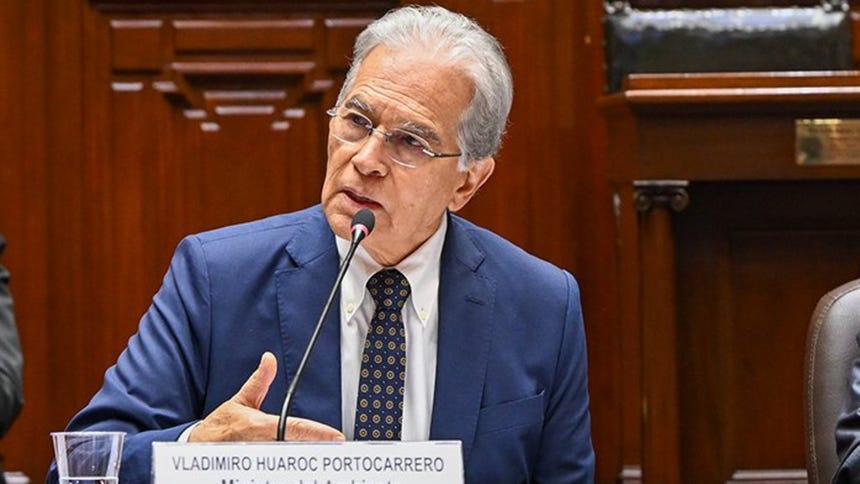
The Minister’s Stance:
Sources within the Ministry of the Environment suggest that Minister Huaroc views this as an opportunity to demonstrate the complexities of environmental governance. His team is reportedly preparing a multimedia presentation highlighting "achievements in the field," particularly focusing on localized climate adaptation projects that have received international acclaim. Huaroc is expected to frame the challenges as a result of global economic fluctuations rather than administrative inaction.
Implications: The Future of National Environmental Policy
The outcome of this session holds profound implications for the nation’s future trajectory regarding climate change.
Policy Shifts and Legislative Oversight
If the Minister’s report is viewed as insufficient by the majority of the deputies, it could trigger a series of deeper investigations. Some legislative members have already hinted at the possibility of forming a "Special Investigative Commission" on Climate Change, which would possess the subpoena power to review the Ministry’s internal documents.
Impact on International Standing
The nation’s international reputation is intrinsically tied to its ability to meet climate goals. With global summits on the horizon, the domestic performance reported by Huaroc will influence the country’s bargaining power and credibility on the international stage. Failure to demonstrate significant progress could lead to a loss of climate-related international financing or stricter conditions from development banks.
Public Trust and Engagement
Ultimately, the most significant implication is the effect on public perception. Environmental issues are no longer peripheral concerns; they are central to the well-being of the population. A transparent and productive session could bolster public confidence in the government’s capacity to protect citizens from the inevitable impacts of climate change. Conversely, a dismissive or opaque response from the Minister could widen the trust gap between the citizenry and the political establishment.
Conclusion: A Test of Democratic Accountability
As Thursday approaches, the spotlight is firmly fixed on Vladimiro Huaroc. The session is a test of both the individual Minister’s competency and the collective strength of the legislative body to act as a check on executive power.
The environment is a non-partisan issue, yet it remains one of the most contentious topics in modern politics. By invoking the Framework Law on Climate Change, the Chamber of Deputies is signaling that they will no longer accept vague promises or delays. The Minister’s presentation at 10:00 a.m. will provide the first concrete look at whether the state is truly prepared for the challenges of the coming decade or if the country’s environmental policy is destined to remain a series of unrealized goals on paper.
Regardless of the political maneuvering that will inevitably occur during the one-hour debate, the core focus remains clear: the protection of the nation’s resources and the safeguarding of its future against the backdrop of a changing global climate. All eyes will be on the Chamber of Deputies this Thursday, as the government faces a critical reckoning on the most pressing issue of our time.