Introduction: A Strategic Corridor for Regional Integration
In a landmark effort to reshape the logistical landscape of Southern and Central Mexico, the Secretariat of Infrastructure, Communications and Transport (SICT) has announced significant progress in the modernization of the Cuautla-Tlapa highway. This critical artery serves as a vital bridge connecting the states of Morelos, Puebla, and Guerrero, acting as a lifeline for economic activity and social mobility in some of the nation’s most historically isolated regions.
As of October 2026, the project has reached a critical inflection point. With a total route spanning 253 kilometers, the current focus of the initiative—which involves the expansion and structural reinforcement of the road—is yielding tangible results. By optimizing this route, the Mexican government aims to reduce travel times by up to an hour, a development that promises to transform the daily lives of over 7,750 residents and catalyze regional commerce.
Main Facts: The Scope of the Modernization
The Cuautla-Tlapa highway modernization is not merely a paving project; it is a comprehensive engineering overhaul. The project specifications dictate the expansion of the highway to two lanes, featuring a total width of 12 meters, inclusive of improved shoulders. These structural upgrades are designed to accommodate modern transit demands, allowing for safer passage of heavy goods vehicles and passenger transport alike.
During the 2026 fiscal year, the scope of the intervention encompasses 54 kilometers of the highway. The primary focus is the stretch between El Pitayo and Acatlán de Osorio. To ensure seamless connectivity, the project includes the construction of several major junctions—locally known as entronques—including Las Palomas, El Piñón, Cuahutecontla, Ahuehuetitla, Nuevos Horizontes, San Bernardo, and Amatitlán. Furthermore, critical upgrades are being executed at the Izúcar de Matamoros and Puente Blanco junctions to alleviate bottlenecking at high-traffic intersections.
Chronology: A Multi-Year Engineering Effort
The timeline of this project reflects the scale and complexity of civil engineering in diverse geographical terrains.

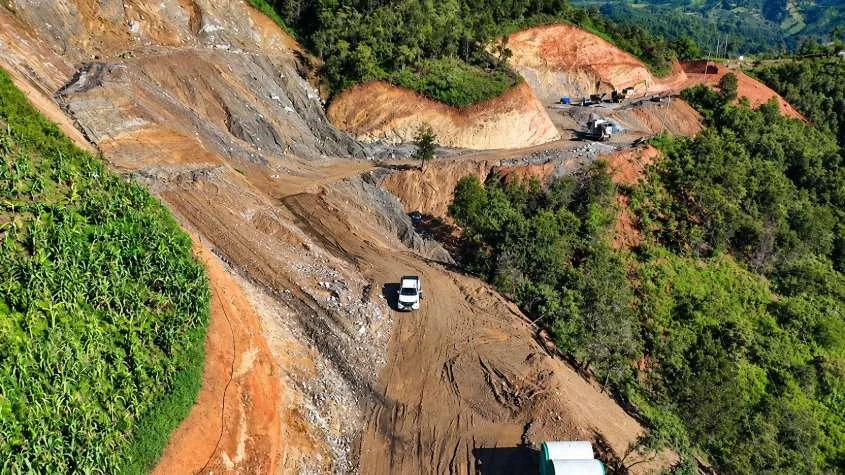
- Pre-Construction and Planning: Long before the first layer of asphalt was laid, the SICT conducted rigorous environmental and geological studies to address the challenges of connecting the mountainous topography of Guerrero with the plains of Puebla and Morelos.
- May 2025 – Commencement: The official construction phase began in May 2025, starting with the modernization of a critical three-kilometer section between the Entronque Palomas and El Papayo. This served as the pilot phase for the broader construction strategy.
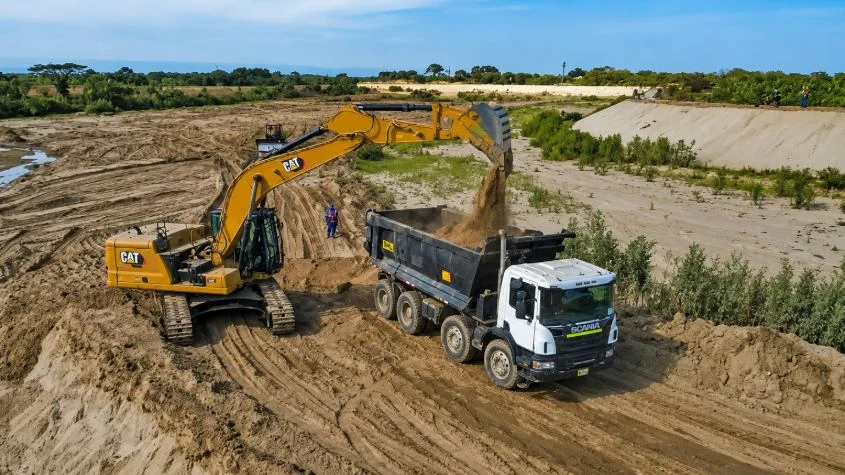
- 2026 – Accelerated Implementation: By the current year, the project shifted into high gear. With 91 distinct work fronts active simultaneously, the SICT has managed to maintain a rapid pace of construction.
- Current Status (October 2026): In the state of Puebla alone, where 49 kilometers are currently under active development, the project has officially recorded a physical completion rate of 74.3%. This milestone underscores the effectiveness of the current logistics plan and the commitment of the federal government to meet established deadlines.
Supporting Data: Economic and Social Impact
The modernization of the Cuautla-Tlapa corridor is supported by an impressive set of economic and social indicators. Beyond the immediate benefit to the 7,750 inhabitants living in the immediate vicinity of the highway, the project serves as a macro-economic engine for the states of Morelos, Puebla, and Guerrero.
Employment Generation
One of the most significant metrics associated with this project is the creation of 40,956 direct and indirect jobs. These roles range from specialized engineering and heavy machinery operation to logistics and local support services, providing a significant boost to the local labor markets during the construction phase.
Logistics and Efficiency
The reduction of travel times by one full hour is a transformative statistic for the logistics industry. By correcting dangerous, sharp curves and widening the road, the SICT is significantly lowering the fuel consumption and wear-and-tear costs for transport operators. This, in turn, is expected to lower the cost of goods transported between the regions of La Montaña and the Costa Chica of Guerrero.
Official Responses and Strategic Rationale
According to official statements from the SICT, the project’s primary objective is the enhancement of road safety and the facilitation of safe overtaking maneuvers. The original layout of the road, characterized by narrow lanes and unpredictable curvature, had long been a deterrent to efficient travel and a site of frequent accidents.
"The modernization of this road is a commitment to the citizens of the southern regions," a spokesperson for the Ministry noted. By implementing a standardized 12-meter width, the SICT is aligning this highway with modern national safety standards. The engineering teams have focused on geometric corrections that prioritize driver visibility and vehicle stability, ensuring that the route can handle the increased traffic volume that is expected once the project reaches full completion.

The initiative is also a component of a larger national strategy to bridge the "infrastructure gap" between Mexico’s central industrial hubs and the more rural, traditionally neglected southern states. By strengthening the connection between Puebla and the Guerrero coast, the government is facilitating a more equitable distribution of economic opportunities.
Implications for the Future
The completion of this highway project will have far-reaching implications for Mexico’s domestic trade.
Strengthening Regional Value Chains
The connection between La Montaña and the Costa Chica of Guerrero is crucial. Historically, these areas have struggled with connectivity, which has isolated agricultural producers from major markets. With a reliable, high-capacity road, farmers and small-scale entrepreneurs will be able to transport their goods to larger urban centers in Puebla and Morelos with greater speed and lower risk of spoilage or damage.
Tourism and Connectivity
Improved roads are synonymous with increased tourism. The Cuautla-Tlapa highway acts as a gateway to the cultural and natural wonders of the Sierra Madre del Sur. As the road quality improves, it is expected that regional tourism will see an uptick, as travelers from central Mexico find it easier to reach the coastal destinations of Guerrero, thereby diversifying the tourism income for local municipalities.
Long-term Maintenance and Sustainability
The use of 91 concurrent work fronts demonstrates a high level of project management sophistication. However, the true test will be the long-term maintenance of the infrastructure. The SICT has hinted that the current design incorporates materials and structural reinforcements intended to withstand the heavy seasonal rains typical of the region, ensuring that the investment remains durable for decades to come.

Conclusion: A Pathway to Prosperity
The modernization of the Cuautla-Tlapa highway stands as a testament to the power of targeted infrastructure investment. By addressing the physical constraints of a 253-kilometer corridor, the Mexican government is effectively unlocking the economic potential of a significant portion of its territory.
As the project nears its final stages of completion in 2026, the focus will soon shift from construction to operation and maintenance. For the thousands of residents who live, work, and commute along this route, the finished road will represent more than just asphalt and concrete; it will be a symbol of progress, safety, and a revitalized connection to the rest of the country.
As Mexico continues to navigate the complexities of regional development, projects like the Cuautla-Tlapa highway provide a blueprint for how strategic infrastructure can serve as the foundation for a more interconnected and prosperous nation. With 74.3% completion in Puebla, the finish line is in sight, and the benefits for the regions of Morelos, Puebla, and Guerrero are already beginning to materialize.