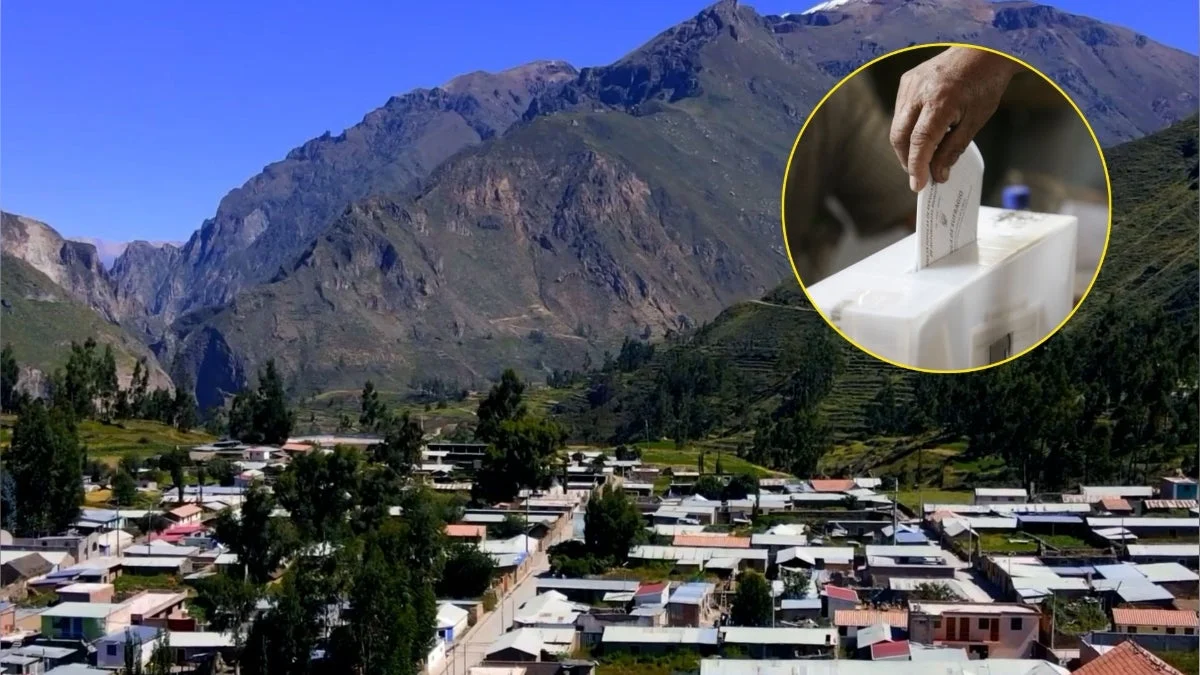
In the vast and geographically diverse landscape of Peru, the concept of "local government" extends far beyond the well-known offices of provincial and district mayors. For millions of citizens living in remote, rural, or underserved areas, the most immediate point of contact with the state is the Municipality of a Populated Center (Municipalidad de Centro Poblado). As over 3.3 million Peruvians prepare to cast their votes this November 1st to elect these local authorities, it is essential to parse the specific legal, political, and social framework that defines these unique administrative units.
While these mayors are elected by popular vote, their roles are fundamentally different from those of their provincial and district counterparts. To navigate the complexities of these elections, one must understand the legislative boundaries and the essential, albeit constrained, services these leaders provide.
The Core Facts: What Are Municipalities of Populated Centers?
Municipalities of populated centers serve as a critical bridge between isolated communities and the centralized municipal apparatus of a district or province. They are essentially decentralized organs designed to bring basic administrative services closer to the citizens.
Each populated center elects one mayor and five council members. This democratic exercise is not merely symbolic; it is a mechanism for local representation. However, the legal architecture governing them—the Organic Law of Municipalities—is very clear: these authorities do not possess the autonomous legislative or executive powers of a district mayor. Their power is delegated, not absolute.
The upcoming election involves millions of voters who will decide who occupies these pivotal, yet limited, positions. Understanding this distinction is vital for voters to manage their expectations regarding what their elected officials can and cannot achieve during their tenure.
Chronology and Evolution of the Electoral Process
The history of municipal elections in Peru is a study in the gradual expansion of local representation. For decades, the governance of small, remote settlements was handled entirely from the district capitals, often leading to a disconnect between policy and the actual needs of the population.
- Recognition of Needs: In response to the geographical challenges and the lack of basic infrastructure in rural areas, legislation was enacted to allow for the creation of municipal agencies in populated centers.
- Institutionalization: Over the last two decades, the process for electing these authorities has become increasingly formalized. The shift from appointment to popular election was a landmark move to enhance the legitimacy of these leaders.
- Modern Framework: Currently, the process is governed by the Organic Law of Municipalities, which dictates the delegation of functions from higher-level municipalities (provincial and district) to the populated centers.
- The 2026 Context: As the country approaches the November 1st elections, the focus remains on ensuring that these processes are transparent, supervised by national agencies, and reflective of the specific needs of the local constituents.
Supporting Data and Legislative Framework
The function of a mayor of a populated center is explicitly outlined in the Organic Law of Municipalities, particularly under articles 132 and 133. These articles serve as the "rulebook" for their operations.
- Article 132: This article recognizes the participation of these mayors in the drafting of participatory budgets. It empowers them to serve as the voice of their community, formally representing the needs of their neighbors to district and provincial authorities.
- Article 133: This section addresses the financial resources. While these municipalities are not independent, they are entitled to specific resources to fulfill the functions delegated to them by the provincial or district councils.
According to Óscar Matutti, a specialist in electoral law, the efficacy of a populated center mayor is almost entirely dependent on the willingness and capacity of the provincial and district mayors to delegate authority. If a provincial government refuses to transfer these functions, the mayor of the populated center remains effectively paralyzed, regardless of their popular mandate.
Official Responses and Institutional Oversight
A common point of confusion for the public is the question of who manages these elections. Unlike regional or general municipal elections, which are entirely organized by the national electoral bodies, the election of mayors for populated centers is a decentralized effort.
The Role of Provincial and District Municipalities
The process is formally called and organized by the provincial mayor, often in coordination with the district municipality. This creates a chain of responsibility that ensures the elections are grounded in local realities.
The Role of National Electoral Bodies
The Jurado Nacional de Elecciones (JNE), the ONPE, and the Reniec play specialized roles:
- JNE (National Jury of Elections): Acting as the primary supervisor, the JNE provides technical assistance, fiscalizes the process, and ensures that the election adheres to legal standards. As Roman Campos, a spokesperson for the JNE, noted, the agency’s role is to ensure that the process is not only democratic but also legally sound.
- ONPE (National Office of Electoral Processes): Responsible for the technical organization, the ONPE approves the electoral schedule and ensures the logistics of the vote are handled correctly.
- Reniec (National Registry of Identification and Civil Status): The Reniec is tasked with the critical role of maintaining the electoral roll, ensuring that all eligible voters are correctly identified and included in the census for these specific locales.
Implications: The Limits of Local Power
The most common frustration among constituents in populated centers arises from the misunderstanding of what their mayor can do. It is important to define the "red lines" of their jurisdiction.
What They Cannot Do
- Taxation: They do not have the power to create or collect taxes. This is a function reserved strictly for provincial and district governments.
- Infrastructure Autonomy: They cannot unilaterally decide on the execution of major public works. While they can and should lobby for a new bridge, a school, or a water system, the legal authority to approve and fund such projects remains with the higher-level municipalities.
- Administrative Independence: They are subject to the same financial and budgetary oversight as any public official. They are legally required to render accounts, and their spending is strictly monitored by the financial regulations governing the municipalities that delegate the funds to them.
The Mayor as a "Bridge"
If a community lacks clean water or has a crumbling schoolhouse, the mayor of the populated center is not the one who signs the final check or approves the engineering plans. Instead, their role is to act as a professional advocate. They are the link between the people and the administrative machinery that holds the budget.
Their success is measured by their ability to navigate the bureaucracy, build coalitions with district and provincial leaders, and ensure that their community’s needs are prioritized in the annual participatory budget.
Conclusion: A Vital Component of Democracy
The upcoming elections for mayors of populated centers on November 1st represent a crucial exercise in grassroots democracy in Peru. While these leaders may lack the sweeping powers of a provincial mayor, their role is arguably more intimate and essential for the daily lives of their constituents. They are the frontline responders who translate the struggles of rural and remote life into concrete demands for the state.
As the country moves forward, the success of this model depends on three pillars:
- Clear Communication: Voters must understand the limits and the potential of these offices to ensure they elect leaders capable of effective advocacy rather than empty promises.
- Cooperation: Provincial and district governments must actively participate in delegating responsibilities and resources, recognizing the populated centers as partners rather than subordinates.
- Vigilance: With the JNE, ONPE, and Reniec providing oversight, the process remains robust, but the ultimate success lies in the engagement of the 3.3 million citizens who will head to the polls.
The mayor of a populated center is not a sovereign authority, but they are the essential architect of their community’s relationship with the state. By electing informed, capable individuals, these communities ensure that their voices are not lost in the vastness of the Peruvian political landscape. As the electoral date approaches, the focus must be on fostering a civic culture that values these roles for what they are: the vital, necessary, and challenging first step in the ladder of local government.