Executive Summary: A New Chapter for Peru’s Hydrocarbon Sector
In a decisive move to bolster national energy sovereignty and stimulate regional economic growth, Perupetro S.A. has officially formalized the modification of the License Contract for Hydrocarbon Exploration and Production in Lote 192, located in the Loreto region. This milestone, facilitated by the enactment of Supreme Decree No. 023-2026-EM, marks the beginning of a strategic partnership between the state-owned oil company, Petroperú, and Petroloreto S.A.C., a subsidiary of the international energy firm Cheiron.
Under the terms of this agreement, Petroperú will retain a 25% stake in the operation, while its strategic partner, Petroloreto, will assume a 75% interest. This structural alignment is designed to leverage international technical expertise and capital to revitalize one of Peru’s most significant oil assets, ensuring the sustainable development of the region’s natural resources while strictly adhering to the nation’s evolving environmental and legal frameworks.
Chronology: The Path to the Lote 192 Agreement
The Regulatory Catalyst
The journey toward this partnership reached a critical juncture on October 23, 2026, when the Peruvian Executive Branch promulgated Supreme Decree No. 023-2026-EM. This legal instrument served as the foundational authority, greenlighting the contractual modifications and granting Perupetro the mandate to finalize the agreement with Petroperú and its chosen partner.
Selection and Due Diligence
The process leading to this signing was characterized by a distinct division of labor between the state entities. Petroperú, acting in its capacity as the state-owned energy operator, held exclusive jurisdiction over the search, evaluation, negotiation, and ultimate selection of its strategic partner. Following an exhaustive competitive process, Cheiron (through its subsidiary Petroloreto) was selected based on its proven track record in mature oil field operations and its technical capacity to navigate the logistical challenges of the Amazonian landscape.
Regulatory Oversight and Finalization
Once the partner was identified, Perupetro transitioned into its primary role: the rigorous qualification of the interested party. In accordance with the "Regulation for the Qualification of Interested Parties" and established national guidelines, Perupetro conducted an extensive audit of Cheiron’s financial statements, technical capabilities, and legal standing. By confirming that the firm possessed the necessary economic solvency and operational expertise, Perupetro provided the final administrative clearance required for the contract to be signed.
Supporting Data: Economic and Technical Scope
The reactivation of Lote 192 is not merely a symbolic gesture of national energy policy; it is a capital-intensive project grounded in precise technical requirements.
The Investment Commitment
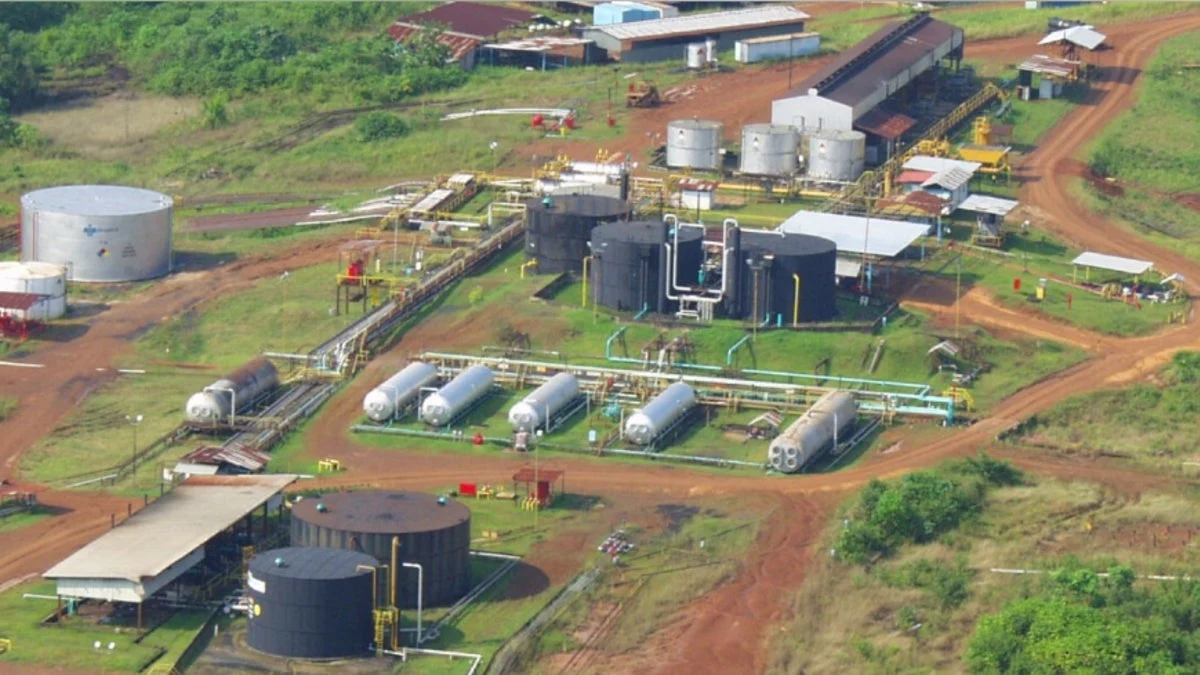
The agreement mandates a minimum investment of $230 million USD. This funding is earmarked for a comprehensive "Development Work Program" designed to transition the asset from its current state of suspended activity to full-scale production. The capital injection is planned to cover:
- Infrastructure Rehabilitation: Restoration of existing, aging infrastructure to meet modern safety and environmental standards.
- Well Reactivation: Implementing secondary recovery techniques to bring dormant wells back into production.
- New Development and Exploration: Drilling new development wells to optimize extraction rates and exploratory drilling to delineate the true potential of the block’s reserves.
Financial Solvency Requirements
The qualification process conducted by Perupetro was not a formality. It required the applicant to demonstrate a robust balance sheet capable of absorbing the volatility inherent in the global oil market. By meeting these benchmarks, Cheiron has committed to the long-term financial stability of the project, mitigating the risk of operational delays that have plagued past attempts to stabilize Lote 192.
Official Responses and Institutional Roles
Perupetro: The Technical Gatekeeper
Perupetro’s involvement was defined by a commitment to regulatory excellence. By focusing on the "Qualification of Interested Parties," the agency acted as the guardian of the state’s interests, ensuring that no partner would be permitted to undertake the risks of Lote 192 without the technical and financial credentials to guarantee success. This separation of powers—where Petroperú selects the partner and Perupetro qualifies them—ensures transparency and minimizes the risk of political interference in what is essentially a technical and commercial endeavor.
Petroperú: The Strategic Lead
For Petroperú, this agreement represents a recalibration of its business model. By retaining a 25% stake, the state company maintains a seat at the table, ensuring it retains influence over operations while sharing the massive financial burden of the investment with a partner that brings both capital and global operational experience. This "strategic partnership" model is expected to serve as a blueprint for future energy projects in Peru, balancing state control with private-sector efficiency.
Implications for the Loreto Region and Beyond
Economic Impact on Loreto
The Loreto region has long anticipated the revitalization of Lote 192. As a critical economic pillar for the region, the reactivation of the block is expected to create hundreds of direct and indirect jobs. The infusion of $230 million USD into the local economy is anticipated to stimulate local supply chains, improve infrastructure, and increase regional tax revenues, providing a much-needed boost to the local economy after years of operational uncertainty.
Energy Security and National Production
Peru’s hydrocarbon sector has faced significant headwinds in recent years, with production levels fluctuating due to regulatory delays and infrastructure maintenance challenges. The return of Lote 192 to active production is a vital component of the Ministry of Energy and Mines’ (MINEM) broader strategy to reduce reliance on imported fuel and stabilize the national energy supply. By modernizing the field’s technology, the project aims to optimize domestic crude output, which is essential for the operation of the Norperuano Pipeline.
Environmental and Social Responsibility
One of the most complex aspects of operating in the Amazon is the social and environmental sensitivity of the territory. The agreement includes stringent commitments to environmental protection. Both Petroperú and Cheiron are mandated to operate under the latest environmental impact protocols. The rehabilitation of the field includes a focus on modernizing wells to prevent leaks and ensuring that social investment programs are integrated into the project’s lifecycle, fostering a "social license to operate" among local communities.
Conclusion: A Blueprint for the Future
The signing of the modified license for Lote 192 is a watershed moment for the Peruvian energy sector. By blending the state’s strategic interest—represented by Petroperú’s 25% participation—with the technical and financial muscle of an international partner like Cheiron, the government has created a viable pathway to unlock the potential of the country’s most storied oil block.
As the industry moves from the planning phase to the execution of the $230 million development program, the success of this venture will be measured not only by the number of barrels produced but by the project’s ability to adhere to the highest standards of safety, environmental stewardship, and community engagement. If successful, this partnership could signal a new era of collaborative development in the Amazon, proving that resource extraction and sustainable regional development can coexist under the right regulatory framework.
With the legal hurdles cleared and the strategic partnership in place, all eyes now turn to the field, where the work of transforming Lote 192 from a dormant asset into a powerhouse of national energy production is set to begin in earnest. This is, in essence, a test case for Peru’s ability to revitalize its mature assets through modern, transparent, and international-standard partnerships.