As the clock ticks down to the October 4th Regional and Municipal Elections, the political atmosphere in Lima has reached a fever pitch. This Tuesday, September 22, the National Jury of Elections (JNE) will host the second and final round of the municipal debate for the Metropolitan Mayoralty of Lima. This high-stakes event, taking place at the prestigious Mario Vargas Llosa Auditorium within the National Library of Peru in San Borja, represents the last major opportunity for voters to evaluate the 13 political organizations vying for control of the city’s governance.
With just under two weeks remaining before citizens head to the polls to elect their next mayor and the Metropolitan Council, the debate is more than a mere formality; it is a critical litmus test for candidates seeking to address the mounting challenges facing the capital, including infrastructure gaps, public security, and environmental sustainability.
The Participants: A Diverse Field of Contenders
The roster for this second session reflects the fragmentation of the current political landscape. The 13 organizations participating are Elizabeth León Chinchay (Frente de la Esperanza 2021), Mónica Yaya Luyo (Partido Aprista Peruano), Juan Carlos Alvarado Mestanza (Alianza Electoral Venceremos), Rubén Bonilla Espinoza (Fuerza Ciudadana), Luis Miguel Llanos Carrillo (Progresemos), Edgardo de Pomar Vizcarra (Partido Popular Cristiano), Francis Allison Oyague (Avanza País), Carlos Tejada Noriega (Acción Popular), Santiago Abarca León (Visión Perú), Samuel Daza Taype (Fuerza Popular), and Carlos Gallardo Neyra (Partido del Buen Gobierno).
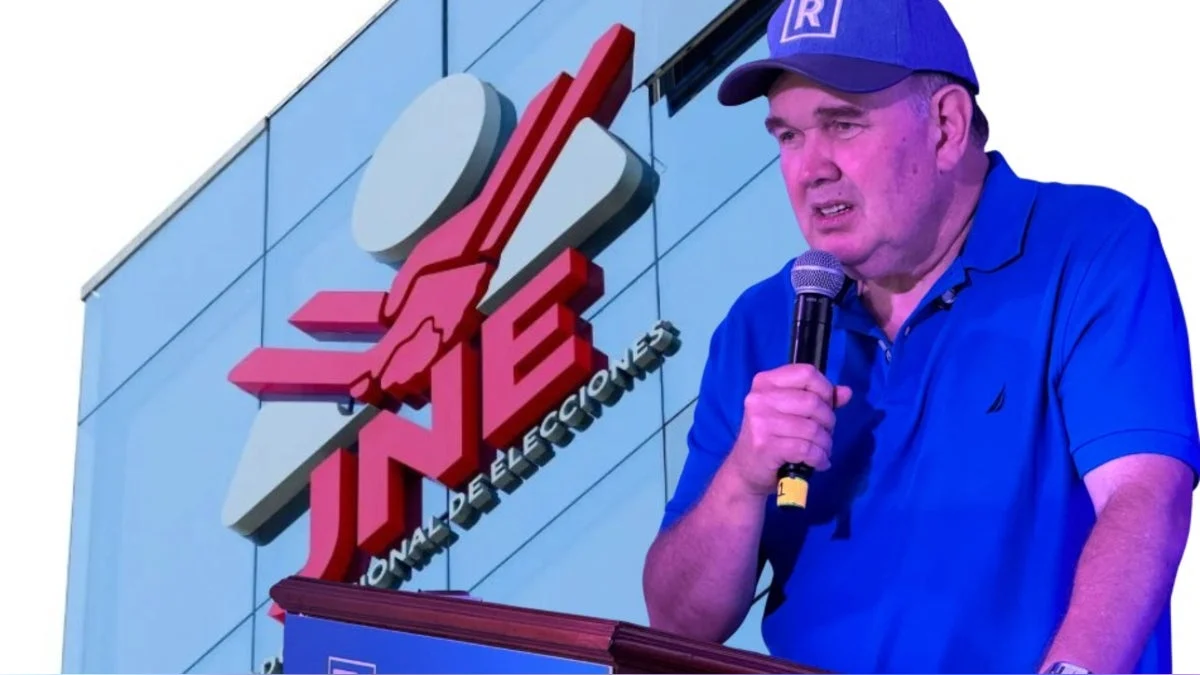
Notably, the debate features an unusual dynamic for two major political forces: Renovación Popular and Perú Libre. Due to specific legal or internal circumstances regarding their mayoral candidates, both parties will be represented by their respective candidates for first regidor: Rafael López Aliaga and Yuri Castro. Their performances will be heavily scrutinized, as they carry the electoral weight of their parties into the municipal arena, potentially influencing the final outcome despite not being the primary mayoral candidates themselves.
Chronology of the Debate: A Structured Engagement
The JNE has designed the debate with a rigorous structure to ensure that all participants have equal time to present their visions, confront their opponents, and engage with public concerns. The proceedings are set to begin at 8:00 p.m. sharp.
Block 1: The Vision for the City
The opening segment, titled "Vision for the City," serves as the introductory platform. Each of the 13 participants will be granted 90 seconds to articulate their foundational philosophy for Lima. This segment is designed to capture the essence of their campaigns—whether they favor populist measures, technocratic solutions, or radical administrative reforms. The speaking order begins with Elizabeth León Chinchay and progresses through the list, ending with Carlos Gallardo.
Block 2: The Crucible of Confrontation
Perhaps the most anticipated portion of the evening is the interaction segment focusing on the "Social and Territorial-Environmental" dimensions. The JNE has organized this into five duos and one trio. This segment moves beyond prepared speeches, forcing candidates to think on their feet.
The format is strictly timed: each candidate has three minutes for their primary argument. Their opponent then has 30 seconds to pose a sharp, pointed question. After a one-minute response, the questioner is permitted a follow-up, or "re-question." The roles are then reversed, ensuring that every participant faces the heat of cross-examination. This format is intended to strip away campaign rhetoric and expose the depth of the candidates’ understanding of Lima’s complex urban problems.
Block 3: Direct Citizen Engagement
The third block, "The Citizens Have the Floor," bridges the gap between the ballot box and the auditorium. It is divided into two distinct sub-segments:
- "Now, Answer": Candidates will respond to pre-selected questions gathered by the JNE through their "Ask Your Candidate" campaign. These questions reflect the primary concerns of the electorate, such as public transport, citizen safety, and waste management.
- "No Fluff" (Sin Rodeos): This segment imposes a strict constraint on the candidates: they must begin their answer with a categorical "Yes" or "No" before providing a brief explanation. This binary opening is designed to prevent evasive political posturing and force candidates to take definitive stances on contentious issues.
Closing Statements
The event will conclude with a final opportunity for each participant to deliver a 90-second closing statement. Francis Allison will kick off this final segment, and the night will culminate with a speech by Rafael López Aliaga, providing him with the final word in what is expected to be a dramatic conclusion to the debate cycle.
Supporting Data and Contextual Challenges
Lima, a sprawling metropolis of over 10 million people, faces systemic crises that no single administration can easily solve. The candidates’ performances on Tuesday will be evaluated against the backdrop of several key indicators:
- Public Safety: Lima continues to grapple with high rates of street crime and organized extortion. Voters are looking for concrete plans on how the Metropolitan Mayor will coordinate with the National Police.
- Transportation Infrastructure: The city’s chaotic transit system remains a primary source of daily frustration. Proposals regarding the expansion of the Metropolitano, the Metro lines, and the regulation of the informal transport sector will be the yardsticks by which many voters judge the candidates.
- Environmental Management: With increasing concerns over air quality and the management of public green spaces, the "territorial-environmental" segment of the debate will likely feature debates on urban planning, zoning, and sustainable development.
The JNE’s decision to include citizen-led questions is a strategic move to restore trust in the electoral process, which has seen declining participation rates in recent years. By forcing candidates to address the granular, everyday problems of residents—from water scarcity in the hillsides to traffic congestion in the center—the debate aims to anchor the electoral discourse in reality.
Official Responses and Implications
The JNE has emphasized that the goal of these debates is not to provide entertainment, but to facilitate informed voting. "The debate is the fundamental tool for the citizen to decide," noted a JNE spokesperson. By providing a platform where candidates must defend their proposals in real-time, the organization hopes to reduce the influence of empty promises and focus the electorate on the viability of the proposed policies.
The implications of this debate are profound. For candidates polling in the middle of the pack, this is a "make or break" moment to gain visibility. For the frontrunners, it is an exercise in damage control and strategic positioning. If a candidate stumbles under the pressure of the "No Fluff" segment or fails to articulate a coherent vision, the impact on their polling numbers could be immediate and irreversible given the short timeframe before the election.
Furthermore, the presence of candidates representing the "first regidor" positions (for Renovación Popular and Perú Libre) adds an unpredictable layer. These candidates are tasked with proving that their parties remain relevant players in Lima’s municipal politics, even in the absence of a traditional mayoral candidate. Their performance will likely dictate how their respective party bases mobilize on October 4th.
Conclusion: The Final Countdown
As the curtain rises on the second night of the debate, the eyes of Lima are fixed on the stage in San Borja. The upcoming October 4th election is not merely a contest between individuals; it is a choice between competing visions for the city’s future. The citizens of Lima are demanding clarity, accountability, and, above all, the assurance that their next mayor will be capable of navigating the city through its most difficult decade in recent history.
Tuesday night will reveal who among the 13 contenders possesses the resilience to withstand the pressure of the debate floor and the depth of policy to command the capital. Whether through the directness of the "No Fluff" segment or the intensity of the cross-examinations, the voters will finally get to see their candidates without the filter of campaign advertising. The path to the Lima Mayoralty is coming to a definitive end, and the journey begins with these final, crucial hours of public discourse.