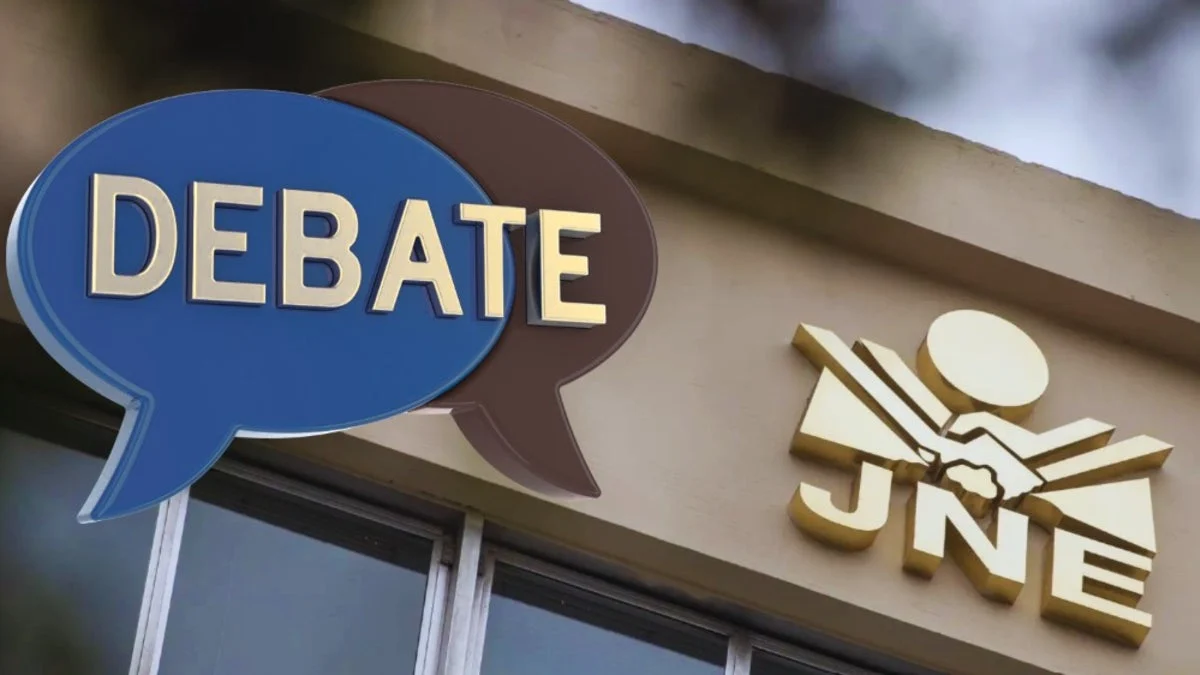
The landscape for the 2026 Municipal Elections in Lima has officially shifted into high gear. The Jurado Nacional de Elecciones (JNE) has concluded the critical process of organizing the electoral debates, a cornerstone of democratic transparency in Peru. Through a transparent public draw, the electoral body has defined the sequence in which the 26 competing political organizations will present their visions for the capital city. This event is not merely procedural; it is the starting gun for a rigorous two-day intellectual confrontation that will define the political discourse of Lima for the coming years.
The debates, scheduled for Monday, September 21, and Tuesday, September 22, will serve as the primary platform for candidates to delineate their governance models, infrastructure plans, and strategies for urban resilience. With 26 parties vying for control of the Municipalidad Metropolitana de Lima, the electoral field is as crowded as it is diverse, reflecting the complex political polarization currently present in the Peruvian capital.
The Mechanics of Democracy: Logistics of the Debate
Carlos Vilela, the official spokesperson for the JNE, confirmed that the logistical division of the 26 political organizations into two groups was a necessary measure to ensure that each candidate is afforded adequate time to address the electorate. "The goal is to provide a balanced, equitable, and structured environment where the citizens of Lima can hear substantive proposals rather than soundbites," Vilela stated during the press briefing.
By splitting the groups into thirteen participants per day, the JNE aims to maintain public engagement while ensuring that the complexity of the municipal agenda is addressed with the seriousness it requires. The debate will be broadcasted to reach the widest possible audience, facilitating the "informed vote" that the JNE has been promoting through its various electoral education campaigns.
Key Themes: Beyond Political Rhetoric
While the debates will cover a broad spectrum of municipal concerns—including public security, transportation, and urban planning—the JNE has explicitly signaled that climate adaptation will be a focal point. Specifically, the candidates will be pressed on their preparedness plans for the "El Niño" phenomenon.
Lima’s geography and infrastructure make it particularly vulnerable to the extreme weather patterns associated with El Niño. Past occurrences have led to severe flooding, damage to essential public works, and humanitarian crises in the city’s periphery. The electorate is expected to scrutinize whether these 26 candidates possess technical, evidence-based plans to mitigate these risks or if their proposals are merely reactive.
Chronology of the Electoral Process
The road to this debate has been a rigorous one, marked by several key administrative milestones:
- Registration Phase: All 26 organizations successfully navigated the registration process, meeting the legal requirements for participation in the 2026 regional and municipal elections.
- Verification of Internal Democracy: Each party had to prove that their candidates were selected through internal democratic processes, a requirement strictly enforced by the JNE to prevent the consolidation of power by party elites.
- The Public Draw: Held in the presence of party representatives and international observers, the draw ensured that no single party received a preferential time slot. The randomization of the order is designed to eliminate bias and ensure that the "prime time" of the debate is distributed fairly.
- The Debate Days (Upcoming): The events of September 21 and 22 will serve as the culmination of these preliminary stages, forcing candidates to transition from internal campaigning to public debate.
Supporting Data: Understanding the Field
The presence of 26 political organizations underscores the extreme fragmentation of the current political environment in Peru. From a data-driven perspective, this high number of participants presents both a challenge and an opportunity for voters.
- Political Diversity: The spectrum of parties ranges from traditional center-right and center-left coalitions to newer, grassroots-focused movements that have emerged in the post-pandemic era.
- The "Lima Factor": The Metropolitan Municipality of Lima is the most significant administrative body in the country, often serving as a springboard for national political careers. Consequently, the stakes for these 26 parties are significantly higher than in other regions.
- Voter Engagement: Statistics from previous election cycles suggest that municipal debates are the single most influential factor for undecided voters. With such a crowded field, the JNE expects record viewership, as voters look for clear differentiators among a sea of similar platforms.
Official Responses and Institutional Oversight
The JNE has emphasized that these debates are governed by a strict code of conduct. The objective is to prevent the personal attacks and vitriol that have marred previous political discourse in the country. "We are facilitating a space for ideas," stated a JNE representative. "The candidates are guests of the citizens, and they must act with the decorum that the office of the Mayor of Lima demands."
Furthermore, the JNE has coordinated with the Office of the National Jury of Elections to ensure that fact-checking mechanisms are in place. Independent analysts will be present to provide context to the claims made by candidates, particularly regarding budget allocations for infrastructure and social programs. This level of institutional oversight is intended to increase the credibility of the election results and strengthen the legitimacy of the eventual winner.
The Implications of the 2026 Municipal Election
The outcome of the September debates will have profound implications for the future of Lima. The city is currently facing a "triple crisis": a deterioration of public safety, a stagnant transportation infrastructure, and the looming threat of climate change.
1. Public Safety and Governance
Lima has seen an uptick in organized crime, which has become the primary concern for the average citizen. Candidates who provide concrete, actionable, and legal solutions to crime will likely see a surge in polling numbers following the debates. The debate will force candidates to move beyond general statements about "fighting crime" and explain how they will coordinate with the National Police and municipal security forces.
2. Urban Mobility and Transit
The city’s transit system remains a fractured network of informal transport and incomplete projects. The debate will serve as a venue for candidates to either champion or criticize current major infrastructure projects, such as the expansion of the Metro and the Metropolitan bus lines.
3. Resilience and Infrastructure
The JNE’s focus on the El Niño phenomenon is a direct response to the scientific consensus that Lima is under-prepared for future disasters. A candidate’s ability to articulate a comprehensive disaster-risk reduction plan will be a litmus test for their executive competency.
Conclusion: A Turning Point for the Capital
As September 21 approaches, the political temperature in Lima is rising. The 26 organizations involved now face the daunting task of condensing their manifestos into brief, impactful interventions. For the electorate, these two days are a unique opportunity to strip away the campaign banners and the political advertising to see the individuals who seek to lead the capital.
The JNE’s structured approach to this debate is a testament to the resilience of Peru’s democratic institutions. By providing a platform where every voice is heard, the JNE is ensuring that the 2026 Municipal Elections are not just a contest of popularity, but a genuine competition of ideas. Whether these 26 groups can provide the clarity that Lima needs, or whether the abundance of candidates will further confuse the voting public, remains to be seen. One thing is certain: the eyes of the nation will be on Lima this September.