By Editorial Staff | Global Infrastructure Report
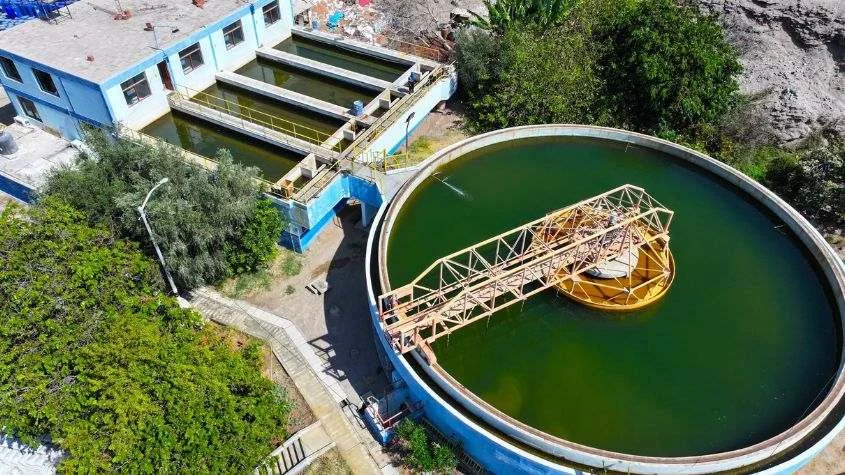
In a decisive move to address one of Peru’s most persistent social deficits, the Ministry of Housing, Construction, and Sanitation (MVCS) has announced that it will declare a state of emergency for the nation’s water and sanitation services. This radical measure comes as a direct response to the staggering reality that millions of Peruvians remain excluded from basic human rights, such as access to potable water and proper sewage disposal.
The announcement, delivered by Minister Mauricio Arnillas, marks a turning point in the government’s approach to infrastructure development. Faced with a legislative stalemate and a backlog of stalled projects, the administration is pivoting toward executive action to bypass administrative bottlenecks that have historically hampered the country’s development.
The Core Crisis: Facts and Figures
The scale of the crisis is profound. According to recent data provided by the MVCS, approximately 15 million citizens currently lack access to functional sewage systems, while 9 million live without direct access to domestic water connections. These figures represent a massive developmental gap that, if left unaddressed, threatens the public health and economic stability of the nation.
Minister Arnillas underscored the urgency of the situation, noting that the infrastructure deficit is not merely a logistical problem but a social crisis. "We are talking about millions of families whose daily lives are defined by the absence of the most basic elements for survival and hygiene," the Minister stated during a press briefing.

Chronology of the Legislative Standoff
The path to this state of emergency has been marked by a series of political maneuvers and setbacks between the Executive and Legislative branches:
- Initial Request: The Executive branch formally requested a package of eleven legislative faculties from Congress, aimed at streamlining the bureaucratic hurdles that prevent the completion of critical public works.
- Congressional Action: After extensive deliberation, the Peruvian Congress approved only four of the eleven requested powers, leaving the government’s ambitious infrastructure reform plan significantly diluted.
- The Rejection: Among the rejected proposals was a crucial measure that would have allowed for the expropriation of land at commercial rates. This mechanism was intended to expedite projects currently stalled in the court system, where land disputes can halt construction for up to five years.
- The Pivot: Recognizing that the legislative route had become a dead end, Minister Arnillas announced that the Executive would draft and present 15 new, independent initiatives to Congress, bypassing the previously blocked request.
- Current Status: The Ministry is now preparing the legal framework to formally declare the water and sanitation sector in emergency, a move designed to expedite procurement and construction timelines under special regulatory conditions.
The Burden of Stalled Projects
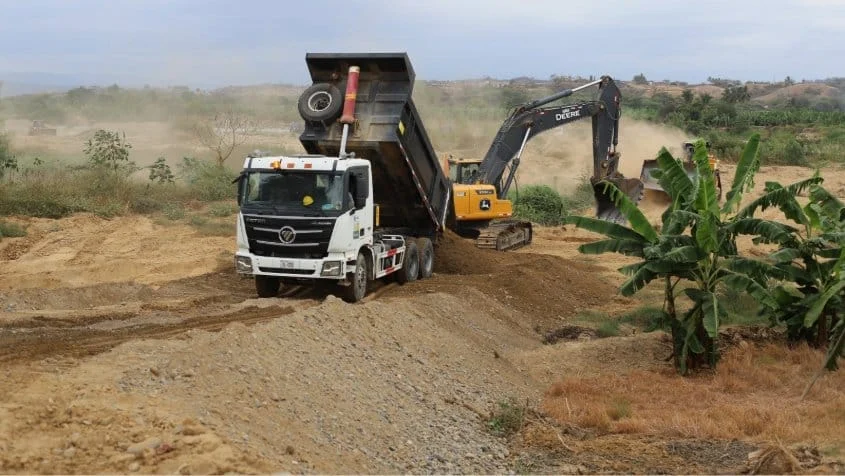
The inefficiency of public infrastructure delivery is best illustrated by the status of the national portfolio. When Minister Arnillas assumed his role, he inherited a landscape of 252 paralyzed water and sanitation projects scattered across the country.
While the Ministry has managed to "destrabar" (unlock) 62 of these projects, the remaining 190 continue to languish. The primary reasons for these stoppages vary, ranging from complex litigation over land ownership to administrative failures and corruption investigations.
"We are not going to sit idly by; we never have," Arnillas asserted. "We have developed these new 15 initiatives through consensus with community leaders and stakeholders. Our priority is to convert these paralyzed sites into operational systems that benefit the population."
Infrastructure: The Hidden Educational Crisis
The implications of this neglect extend far beyond residential neighborhoods; they have permeated the national education system. The MVCS report highlights a disturbing synergy between infrastructure neglect and the quality of public schooling.

Of the 58,000 schools across Peru, an estimated 31,000—more than half—lack formal property titles. This legal ambiguity prevents the government from investing in essential facility upgrades. Furthermore, 6,000 of these schools lack even basic access to potable water, creating a hostile environment for students and teachers alike.
The lack of sanitation in schools is a public health hazard that exacerbates student absenteeism and malnutrition, perpetuating a cycle of poverty that the government is now attempting to break through its aggressive new infrastructure strategy.
Policy Conflicts: The Subsidy Debate
A major point of contention between the Ministry and Congress has been the proposed "cross-subsidy" scheme. The MVCS proposed a model where high-consumption or high-income sectors would pay the actual market rate of S/ 4.50 per cubic meter of water. The revenue generated from this pricing structure would have been used to subsidize the bills of low-income, vulnerable families.
Congress, however, rejected this proposal. Critics of the government plan argued that it could lead to increased costs for a broad spectrum of users, while the Ministry maintained that it was a vital tool for social equity. The failure to pass this measure has forced the Ministry to look for alternative funding mechanisms to ensure that the poorest households are not excluded from the grid due to cost barriers.
Implications for Sedapal and the Future of Utilities
Amidst the broader structural reforms, the government is focusing on the modernization of the Servicio de Agua Potable y Alcantarillado de Lima (SEDAPAL). The state-run utility has long been criticized for its bureaucratic inertia and lack of efficiency.

Minister Arnillas clarified that the planned restructuring of Sedapal is intended to modernize its operational capacity and improve the quality of service for the millions of people in the Lima metropolitan area. Crucially, the Minister sought to quell public anxiety regarding the future of the company. "There is no intention to privatize Sedapal," he stated firmly. "Our objective is to make the state-owned entity more efficient and responsive to the needs of the people, not to relinquish public control over a vital resource."
Economic and Social Outlook
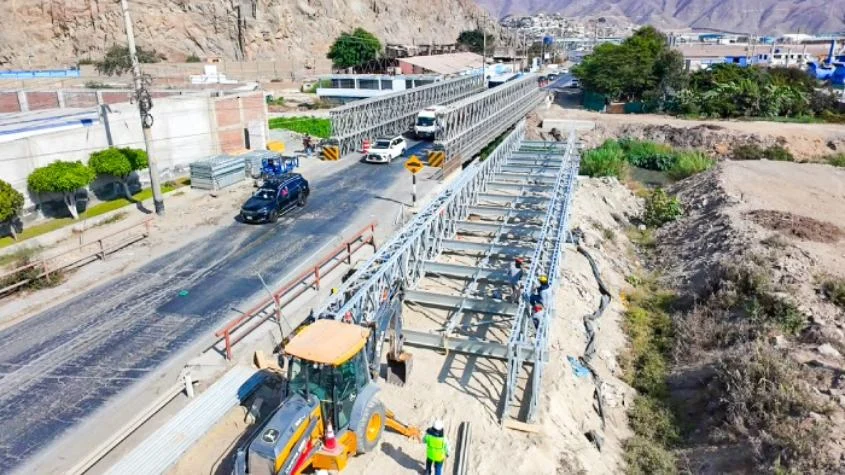
The declaration of a state of emergency for the water and sanitation sector is expected to have significant repercussions on the national economy. Infrastructure development is one of the most effective ways to stimulate employment, particularly in the construction sector. By removing legal and administrative barriers, the government hopes to stimulate a "construction boom" that will create thousands of jobs while simultaneously addressing the massive deficit in human capital caused by poor living conditions.
However, the success of this strategy hinges on the relationship between the Executive and the Legislative branches. If the new 15 legislative initiatives are met with the same resistance as the initial request for faculties, the country could face a prolonged period of political volatility.
The government’s decision to move forward with the emergency declaration is a high-stakes gamble. By invoking emergency powers, the administration is signaling that the patience of the Peruvian public has reached its limit. As the country looks toward the future, the ability to provide clean water and sanitation will serve as the ultimate test of the state’s effectiveness.
For the millions of citizens in rural localities—such as those recently impacted by projects in Pucunán and other regions—this is not a matter of political debate, but a matter of daily survival. As the government moves to implement these changes, all eyes will be on how effectively it can balance the need for speed with the requirements of transparency and fiscal responsibility.